
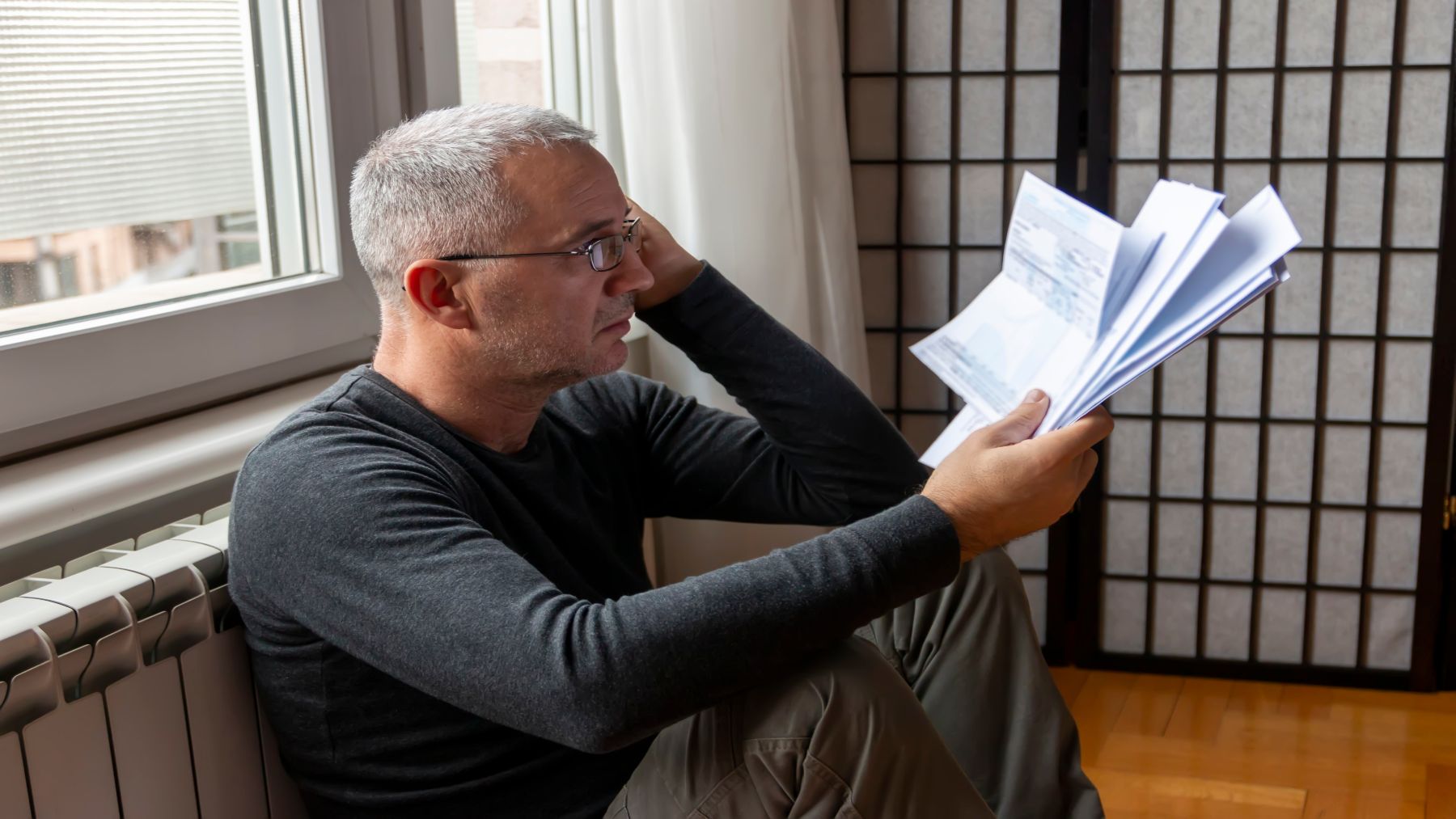
Winter is practically knocking on the doors of homes in the Northern Hemisphere, and with it comes not only the cold but also the fear of high electricity bills. Specifically, the United States is set to see an increase in bills, as the Energy Information Administration (EIA) warns. This rise in electricity bills is largely due to higher electricity prices, rather than increased consumption. Fuel costs for electricity generation, particularly natural gas, remain high compared to pre-pandemic levels.
“We expect U.S. households to spend an average of 4% more on their electricity bills this winter”
The colder temperatures lead people to use more heating and other appliances to keep their homes warm. This drives up bills, adding to the already high costs. We live in a time of relentless inflation, and this is reflected in various aspects of daily life. “We expect U.S. households to spend an average of 4% more on their electricity bills this winter, largely due to a projected 5% increase in retail electricity prices. We expect total electricity spending to increase in all regions of the United States,” states the EIA report.
The EIA projects that the Northeast will experience the largest percentage increase in electricity costs
According to projections, the average household that uses electricity as its primary heating source is expected to spend more than last winter, mainly due to increases in retail prices, not an increase in consumption, as explained earlier. In any case, it’s important to note that prices will not rise uniformly across the country. The EIA projects that the Northeast will experience the largest percentage increase in electricity costs.
In New Jersey, the rate increase approved by the state’s Public Utilities Board resulted in a 17% rise
This winter could prove costly for families trying to stay warm, even if they strive to reduce their electricity bills. For example, in New Jersey, the rate increase approved by the state’s Public Utilities Board resulted in a 17% rise in residents’ electricity bills alone. “We anticipate that households heating with electricity in the Northeast will spend the most, at $1,520, followed by those in the Midwest, with projected electricity expenses of $1,280 this winter,” the EIA stated.
Households in the South, where electricity is used less intensively for heating, will experience only moderate increases, paying up to a 4% increase
According to PowerLines, a nonprofit organization, utility rate increases exceeded $34 billion during the first three quarters of 2025. However, the EIA forecasts stable or lower costs for other heating fuels, such as heating oil and propane, thanks to stable supplies and a slightly warmer winter. Meanwhile, households in the South, where electricity is used less intensively for heating, will experience only moderate increases, paying up to $1,030—a 4% increase.
American families should be aware of the potential consequences this could have for them this winter if they depend on electricity
The problem is that even small increases in electricity prices can have a huge impact on households. As the Energy Information Administration (EIA) has pointed out, electricity costs will rise in all major regions of the Northeast, Midwest, South, and West, by an average of about 24 cents per kilowatt-hour. In New Jersey, as in other states, residents who rely on electricity for heating during the winter will end up spending 4% more this winter, in addition to experiencing a 5% increase in retail electricity prices. American families should be aware of the potential consequences this could have for them this winter if they depend on electricity for heating and other household needs.




