
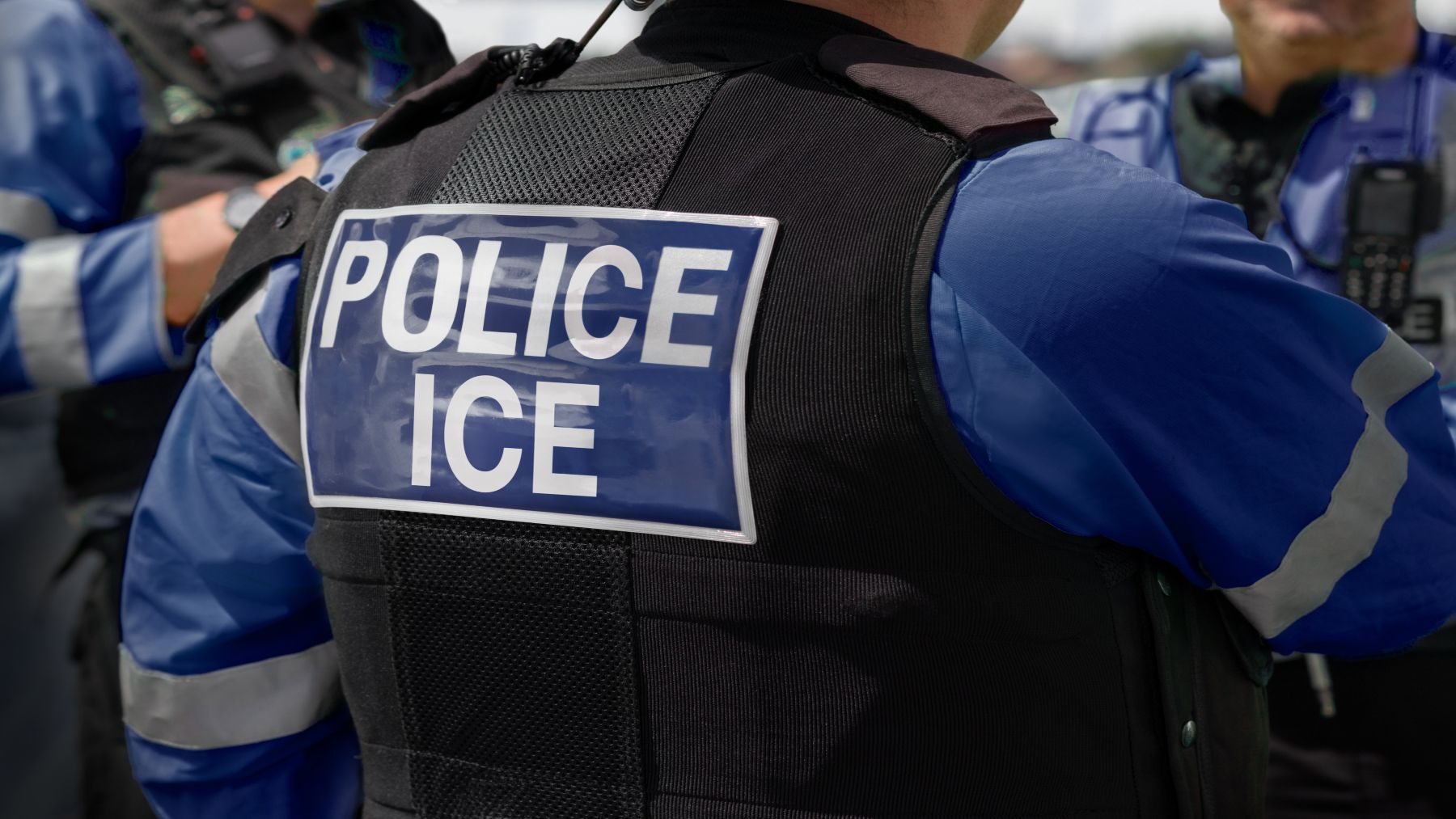
The mass deportations (primarily carried out by ICE) under Donald Trump are having consequences in various areas, one of which is remittances sent by migrants. Money transfers to Guatemala, Honduras, and other countries have increased in recent months, reaching billions of dollars. According to community leaders and remittance experts, fear of immigration raids has led many migrants to avoid physically going to money transfer offices (MoneyGram, Western Union, Xoom), opting instead for digital tools considered safer and more discreet. This fear has resulted in an increased use of money transfer apps, allowing people to send money without leaving their homes.
According to official data, the amount of money sent by migrants to their countries of origin in Latin America has increased
Undocumented migrants in the United States say they are sending money to their families while they still can, fearing deportation at any moment. In any case, despite the drop in in-person remittances, remittance-receiving countries in Central America have seen a general increase in money flows. The effects of President Donald Trump’s anti-immigration measures can be seen in the empty shelters along the Mexican border, the plummeting number of illegal crossings, and the workplaces raided by federal agents. And indeed, according to official data, the amount of money sent by migrants to their countries of origin in Latin America has increased by billions of dollars in recent months.
For example, Honduras received $5,799.8 million in the first six months of 2025, a 25.3% increase compared to the same period of the previous year, according to the Central Bank of Honduras. Migrants typically send a few hundred or a few thousand dollars at a time, either in cash at money transfer locations or through digital methods, a trend that is increasing significantly in the United States.
People fearing deportation are trying to get as much money as possible out of the United States
The data speaks for itself: in several Central American nations, money transfers have skyrocketed by 20 percent. Guatemala, for example, reported $1.8176 billion in remittances in the first quarter of the year, $349.6 million more than in 2014, according to the Bank of Guatemala. The reason for these movements, according to officials, migrants, and analysts, is that people fearing deportation are trying to get as much money as possible out of the United States while they still can.
In El Salvador, the Central Reserve Bank reported that between January and April 2025, $3,075.7 million was received, 15.2% more than in the same period of the previous year. Money transfers, known as remittances, are a fundamental economic pillar for many countries and families around the world, especially in Central America and the Caribbean. The exchange rate means that amounts that may seem insignificant in US dollars can be a great help to families in South American countries.
Remittances have increased by approximately 20% so far this year compared to 2024
According to official data, over 70% of the US population that sends money currently does so through apps. The current situation hasn’t stopped money transfers; on the contrary, the need to send money remains strong. Although remittances to Latin America also come from countries like Canada and Spain, the vast majority originate in the United States. In the case of the US, many migrants say they are even sending their savings, fearing deportation at any moment.
Finally, it’s important for app users to research the apps themselves, as fraud has been reported due to websites exploiting the situation and scamming those sending money. Therefore, before making significant bank transactions, ensure the app is trustworthy. In four of Central America’s most populous countries—Guatemala, Honduras, Nicaragua, and El Salvador—remittances have increased by approximately 20% so far this year compared to the same period in 2014, according to figures from central banks and the Central American Monetary Council, an organization that coordinates among central banks. Given the high volume of money transfers, avoiding fraud is essential.




