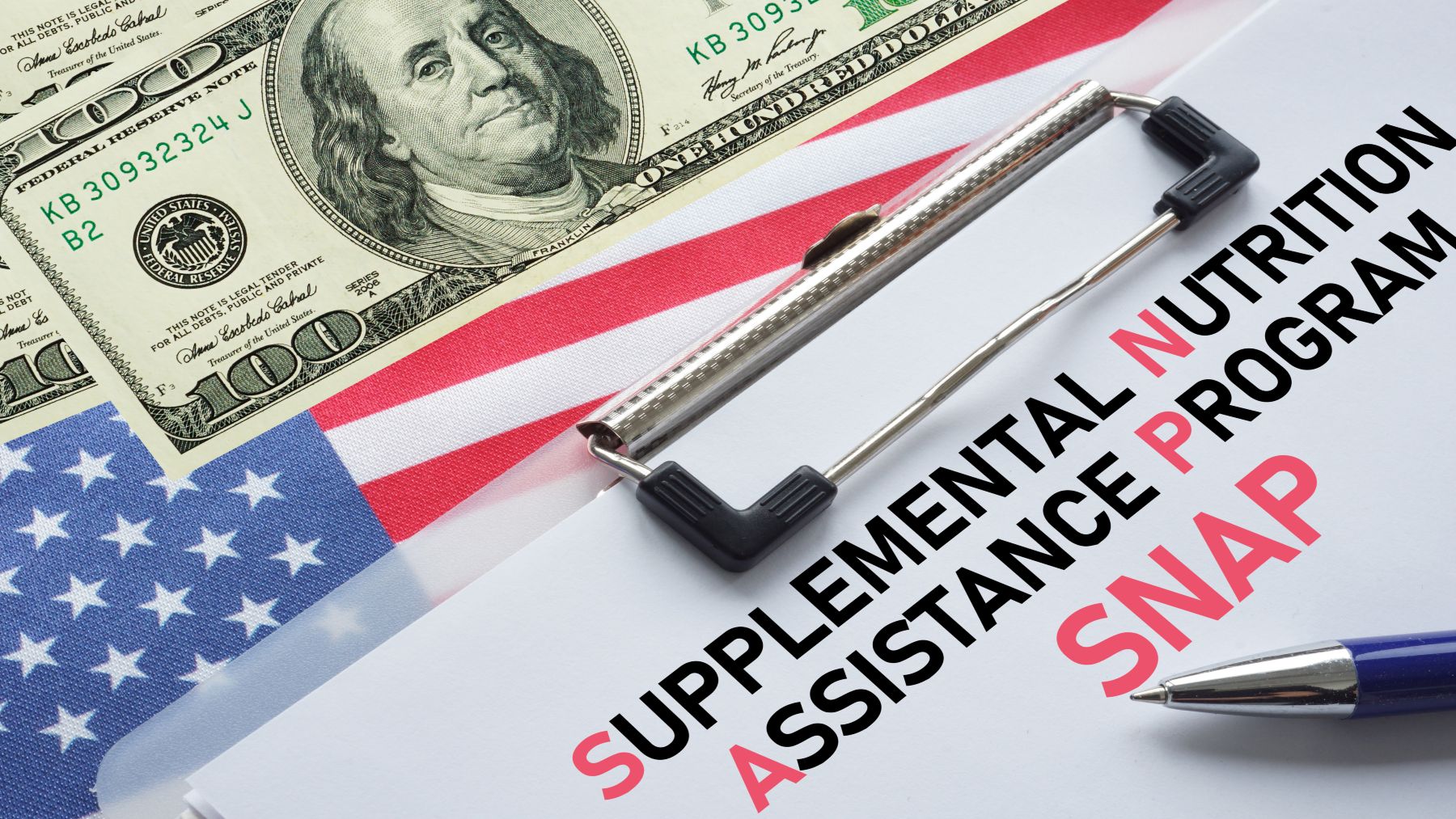
Changes to student income and aid. Ohio Republican Representative John Husted has introduced a bill in the Senate to help young students. This bill would update the eligibility rules for the Supplemental Nutrition Assistance Program (SNAP) so that students ages 18 to 21 enrolled in approved Career and Technical Education (CTE) programs can work part-time without having their earnings deducted from their current SNAP benefits or those of their families.
News for those with fewer resources who want to pursue an academic career
This is good news for those with fewer resources who want to pursue an academic career. Income generated from work related to their education would not be counted toward their total family income, which would prevent reductions in SNAP payments.
“My bill corrects outdated SNAP laws so CTE students enrolled in SNAP can continue their education without jeopardizing their families’ benefits”
“Students enrolled in career and technical education programs are working hard to prepare for high-skill, high-demand jobs. My bill corrects outdated SNAP laws so CTE students enrolled in SNAP can continue their education without jeopardizing their families’ benefits,” Husted said. The goal is to ensure that students in career and technical education programs don’t lose benefits by earning income from part-time jobs.
Official: more than 130,000 high school students in Ohio are enrolled in CTE programs at career centers and community colleges
According to official data, Husted’s office estimates that at least 50,000 young people in Ohio between the ages of 18 and 21 are not participating in apprenticeship programs for fear that their income will affect their household support. According to the official statement, more than 130,000 high school students in Ohio are enrolled in CTE programs at career centers and community colleges. Under current SNAP eligibility rules, students from low-income families who earn wages through their enrollment in CTE programs risk losing their SNAP benefits, as their income is counted toward the collective household income. This is what they want to change, so that they are not disadvantaged for requesting aid they clearly need.
The FEED Act modifies the SNAP income calculation formula, exempting any income earned by an individual between the ages of 18 and 21
Nationally, SNAP provides support to more than 41 million people each month through electronic cards that can be used at grocery stores and farmers markets to purchase fruits, vegetables, meats, dairy, and other staples. In Florida, for example, 3 million people rely on SNAP to meet their basic needs, and more than 250,000 live in the Tampa Bay area. The FEED Act modifies the SNAP income calculation formula, exempting any income earned by an individual between the ages of 18 and 21 in a CTE program from total household income.
Requirements: veterans and homeless people must also meet the new criteria, while parents with children under 14 would be exempt
The federal One Big Beautiful Bill Act (OBBA) imposes stricter work requirements to qualify for benefits. For example, healthy, independent adults ages 18 to 64 must work at least 20 hours per week. Previously, the age limit was 54. It also states that veterans and homeless people must also meet the new criteria, while parents with children under 14 would be exempt.
The FEED Act was introduced in the Senate and sent to the Agriculture, Nutrition, and Forestry Committee, where it must be discussed
With current and planned long-term cuts, the Congressional Budget Office projects that 30% of funding will be reduced by 2034, although this would reduce the federal deficit by $309 billion. In this regard, the FEED Act was introduced in the Senate and sent to the Agriculture, Nutrition, and Forestry Committee, where it must be discussed before moving forward in the legislative process. If approved, it would be a significant boon for low-income students.