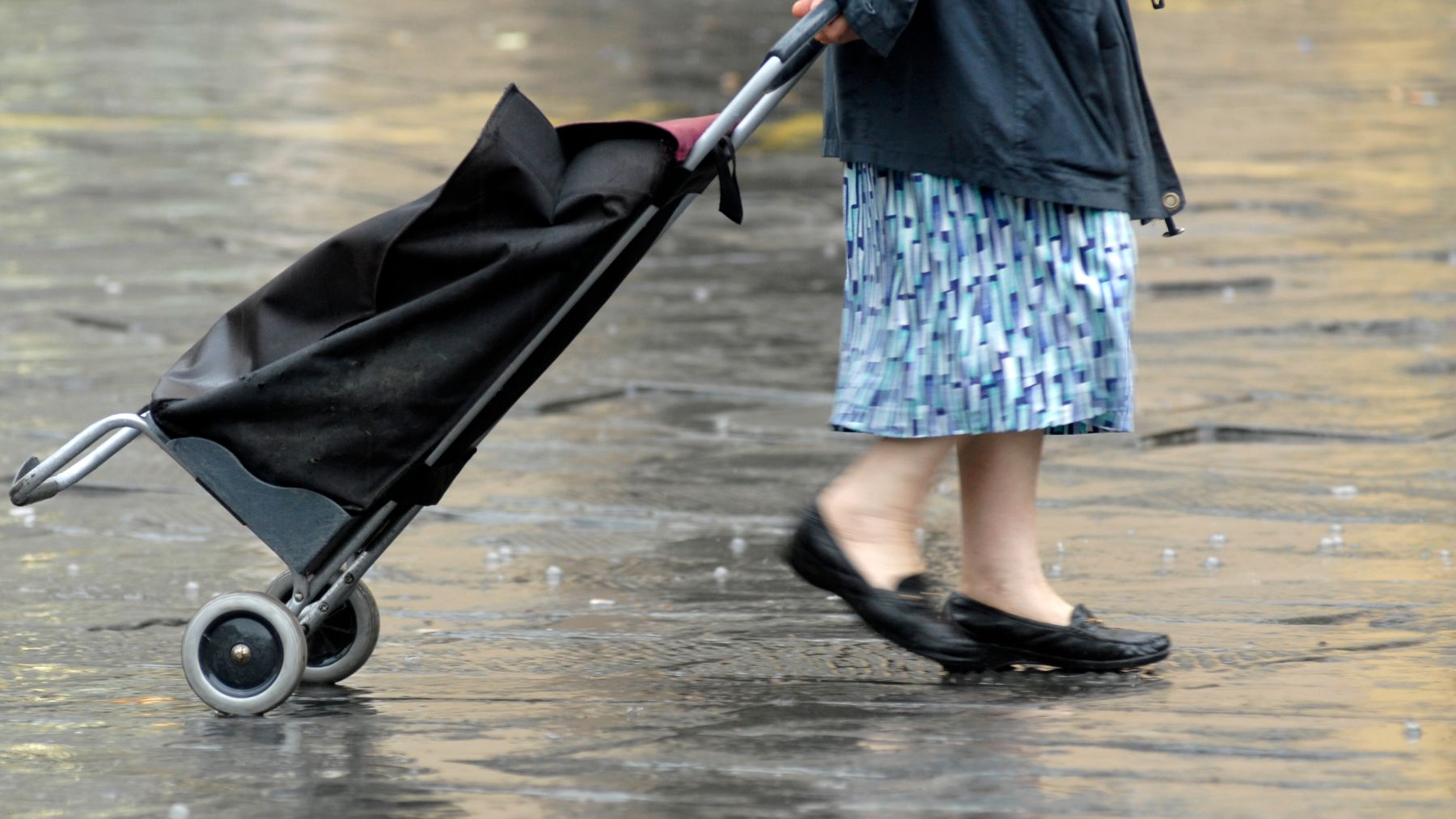
For older adults, it is essential to take care of their footwear, as it can affect their feet and knees. Comfortable footwear provides comfort and also improves joint health and overall health. Professional podiatrists emphasize the fact that the ergonomics of the model you choose will improve balance and mobility and make falls less common. Read on to find out what type of shoe is best for our seniors.
All you must know about footwear for adults over 65
Are you looking for the perfect footwear for adults over 65? Getting shoes that fit well and provide perfect support can really reduce foot and knee pain at the same time it improves overall comfort. For seniors, the ideal pair can also improve balance, prevent injuries, and make daily walks and errands more enjoyable.
Adecuate walking shoes are more than just a style sleection —they ensure stability, cushioning, and support for the feet and ankles. Thie information that we will provide will describe what should be taken into account when you are about to choose shoes for older adults, underlining fit, materials, and features that help seniors stay active, safe, and comfortable throughout the day.
Get to know characteristics make walking shoes ideal for adults over 65
The most essential feature of shoes for seniors are high cushioning, ergonomic insoles, and anatomical design. These features work all along to decrease pressure on the feet and knees, prevent discomfort, and present proper alignment.
- Cushioning and midsoles: Suitable cushioning absorbs impact during the time of walking, decreasing foot and joint strain. Shoes with gel, foam, or other shock-absorbing materials are particularly prductive.
- Support and stability: A firm heel, arch support, and motion-control options aid keeping balance and prevent slips or falls.
- Proper fit: Making sure shoes match both length and width, gives no problem to toe movement, and include secure closures such as laces or Velcro straps for easy adjustments.
- Traction: Non-slip soles and effective tread patterns enhance grip on vairous surfaces, decreasing the risk of falls.
- Lightweight, durable materials: Shoes that are not heavy prevent fatigue at the same time they maintaine long-lasting support. Breathable fabrics also are kay manage swelling or discomfort in the feet.
- Ease of use: Slip-on designs or adjustable straps makes easier putting shoes on and taking them off, which is especially perfect for seniors with limited mobility.
Benefits of supportive walking shoes for seniors
According to senior footwear experts, wearing comfortable walking shoes offers multiple advantages for older adults. In firts place it reduces pain and discomfort caused by arthritis, plantar fasciitis, neuropathy, or bunions and, also improves overall mobility, encouraging regular walking and physical activity. It must also highlited that it supports proper foot alignment, relieving strain on knees and other joints. Finally it enhances balance and stability, lowering the risk of slips, trips, and falls and promotes independence by making everyday movement safer and more comfortable.
Extra considerations at the same time you are choosing shoes for older adults
When selecting footwear, seniors should consider specific foot conditions and lifestyle factors. Here is the essential list you should have in mind:
- Foot health: Flat feet, high arches, or other deformities need shoes with the appropriate support and cushioning.
- Health conditions: Arthritis, diabetes-related neuropathy, or osteoporosis may call for specific shoes that reduce pain and protect the feet.
- Materials and climate: Lightweight, breathable fabrics are neccesay with circulation and comfort, while insulated materials may be required in colder weather.
- Maintenance and durability: Shoes that are not hard to clean and built to last make sure consistent support without usual replacement.
- Style and convenience: Adjustable straps, different widths, and simple closure systems improve ease of use while accommodating personal style preferences.
Seniors should also follow the lifespan of their shoes. Usually, walking shoes need to be replaced every 300–500 miles, or roughly every 6 to 12 months, to keep cushioning and support. Signs that shoes need replacement include flattened midsoles or reduced responsiveness.