
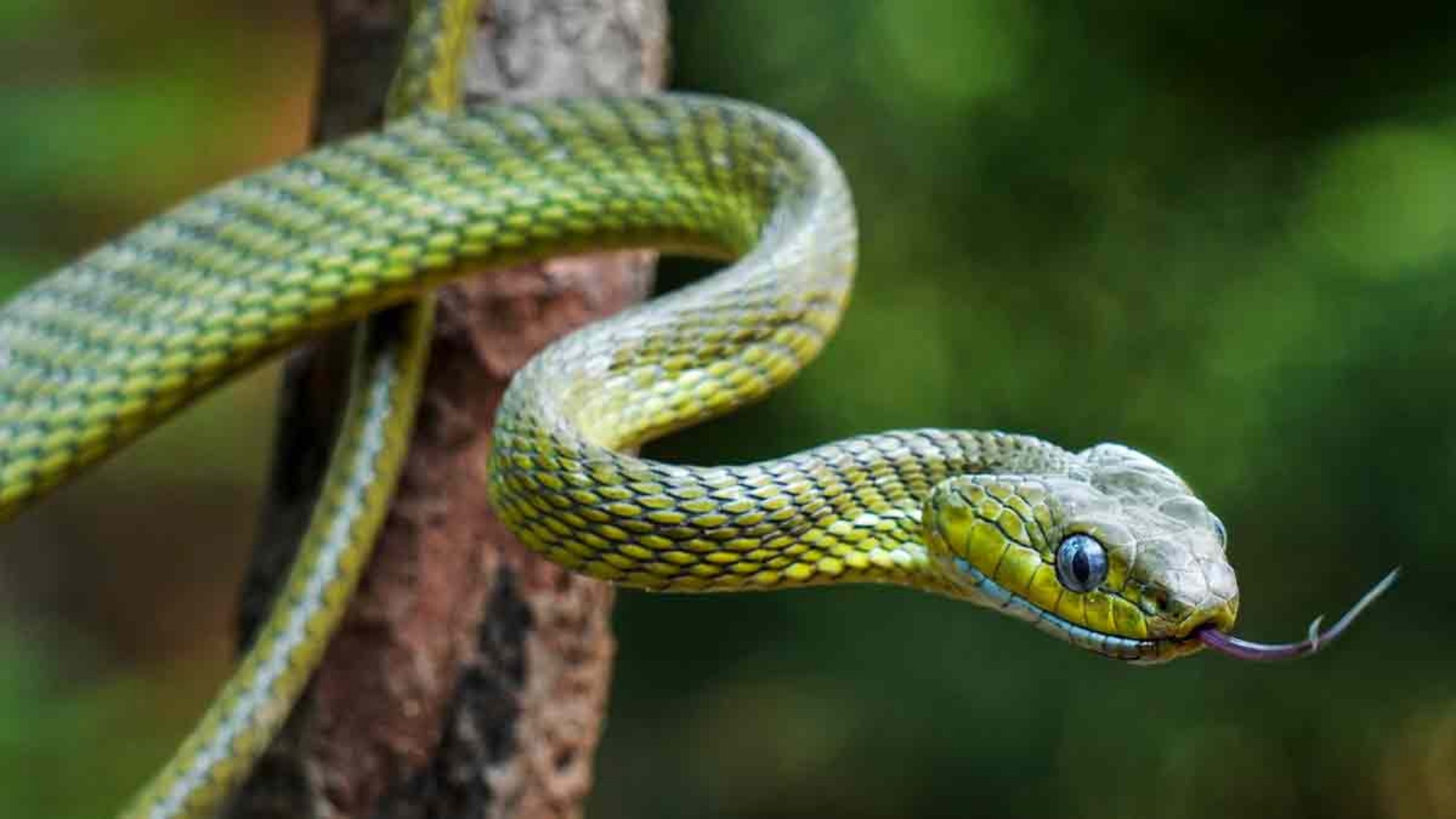
Although this could be a story more typical of the United States, in this case it has been Spain. Known among many things for its production of olive oil, the Iberian Peninsula has been plagued by an unusual animal species: snakes. Apparently, the fruit tree attracts them, both for its physical characteristics and for the thermal and nutritional benefits it gives to these beings. Although it sounds alarming, it is not assuming a home security problem, although many of those affected are not happy with their presence.
Olive groves and snakes
Although its presence is abundant in the south of the Iberian peninsula, Spain, the olive grove is a tree originally Asian, although there are hypotheses that also place it in Europe. This is the tree that gives olives, from which the so-called liquid gold; olive oil is extracted. There are many hectares planted in Spain, which has become one of the largest producers of this star product both for its taste and its benefits.
On the other hand, snakes are reptiles whose origin has not been defined, more than to say that they emerged in the Cretaceous period, 115 million years ago. Although the great majority of species are oviparous, they can also be viviparous. Carnivorous predators of vertebrates and invertebrates, are characterized by being cold-blooded, so they usually inhabit warm places.
Why do they choose olive grove?
It seems that the environment created by the tree is perfect for its new tenants. According to a statement made by an herpetology to a gardening magazine names Mon Jardin & Ma Maison, “For reptiles, it´s like paradise”. It is indeed. Olive trees have twisted trunks with dense roots and leafy shade thanks to their leaves. This makes them the perfect shelter for snakes, who due to their cold-blooded condition need to find warm surfaces. In addition, an olive tree needs conditions to grow, such as dry stone walls and limestone floors that receive direct sunlight. This type of stone retains heat even when the sun has gone, which makes it a perfect surface for snakes to regulate their temperature.
What about food?
Despite the many advantages that these trees have for snakes, they also need to feed. Olive trees are planted in the countryside, on large tracts of land surrounded by flora and fauna. In its surroundings you can see mice, birds, lizards, and moles, which are incidentally the favorite dishes of ls snakes. Not only do they have perfect weather conditions, but they don’t have to work too hard to find food.
Is it safe for humans?
It is true that there are many species of snakes which are dangerous, poisonous and lethal to humans. However, those found in olive trees are harmless species that do not pose a danger, at least to date. Despite this, the owners of the olive trees are not happy with the situation and besides, specimens have also been found in private courtyards of houses.
What other vegetation attracts snakes?
Trees such as cedar, cypress, juniper and oak are also tempting options for snakes, and plants such as trebol, hostas and the beloved jasmine can also harbor not only snakes but also their prey. This is not a problem unique to Spain, but affects other countries. For example, in the United States, where there are multiple species of snakes, including dangerous ones.
Bye bye snakes!
If you want to get rid of the snakes, here are a few of tips that you should follow: keep your garden clear so they can not hide, keep it clean of herbs and control the pests of mice. If they have no food, they will leave!
Want to know about a recent discovered snake species?




