
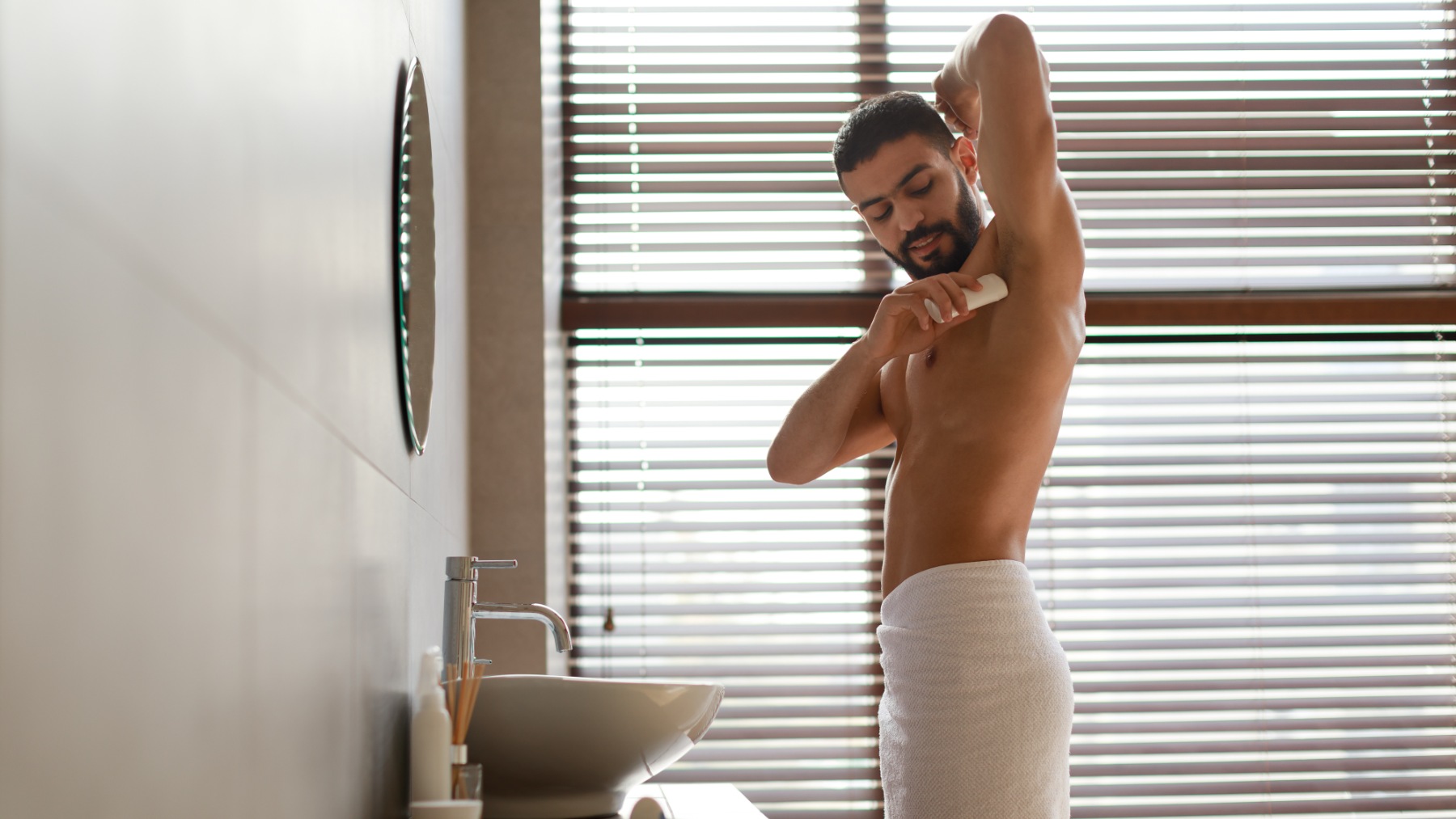
Deodorant is supposed to save us from social doom, right? Yet James Hamblin, MD—a preventive-medicine physician and lecturer at the Yale School of Public Health—slashed his shower routine years ago and reports that life (and his odor) stabilized just fine. He did it as part of a personal experiment while writing Clean: The New Science of Skin, arguing that our obsession with soaps, gels and sprays might be disrupting the microscopic ecosystem that actually keeps skin healthy.
When he first eased off hot, soapy showers, he admits he smelled stronger. Then something shifted: as he relied mostly on water, his body odor faded. The idea is that constant scrubbing nukes helpful bacteria, so your pits overcompensate. Give them a break—and maybe go easy on deodorant—and things can rebalance.
What do dermatologists actually advise?
There isn’t a magic number of showers per week. Several dermatologists say most healthy adults can get by with a few quick washes weekly, focusing soap on armpits, groin and feet. If you’re sweaty, covered in allergens, or work a messy job, shower daily. Kids who’ve hit puberty? Daily is usually recommended. People with eczema or acne may need specific routines.
Your skin is full of bacteria, fungi and mites that (gross as it sounds) often help you. Hamblin’s core claim: blasting them with soap, sanitizer and endless deodorant can weaken your natural defenses and dry you out. Scientists studying “bacteriotherapy” even test spraying beneficial microbes onto skin to treat disease.
The hard numbers: time, water, money
Hamblin once calculated we spend about two full years of life washing ourselves. That’s a lot of time for a habit we rarely question. Water-wise, the average U.S. shower guzzles roughly 17 gallons and lasts about eight minutes—nearly 17% of indoor household water use. Across the country, showering eats up over a trillion gallons a year. Cutting back a few minutes or swapping to a WaterSense showerhead can save thousands of gallons and serious cash.
So, should you toss the soap and deodorant tomorrow?
Not exactly. Start by shortening showers, turning down the heat, and applying soap only where it matters most. Try spacing out full-body washes and use a washcloth on sweaty spots between them. Moisturize after bathing to protect your barrier. If you’re curious about dialing back deodorant, pick a quiet week, monitor odor (ask a trusted friend!), and stop if irritation or funk persists.
Here’s a detailed list of how you should shower if you want to start depending less on cosmetic products:
* Keep showers short (5 minutes or less) and lukewarm, not scalding.
* Rinse most of your body with plain water; skip soap on arms, legs, torso unless visibly dirty.
* Use soap only on “high-stink/high-germ” zones: armpits, groin, feet, and (if needed) hands.
* Wash hair less often; when you do, use a small amount of shampoo on the scalp, not the whole length.
* Pat skin dry instead of rubbing to avoid barrier damage.
* Moisturize right after bathing if your skin feels dry—simple, fragrance-free products are fine.
* Between showers, spot-clean sweaty areas with a damp cloth instead of a full scrub.
* Ease off deodorant gradually: skip a day, assess odor, and reapply only when you truly need it.
* Avoid antibacterial soaps and harsh scrubs unless medically indicated.
Let your routine evolve—add or subtract steps based on how your skin and smell actually behave.
The fine print: individual needs vary
Dermatologists caution that people with skin disorders, compromised immunity, or heavy-sweat lifestyles shouldn’t copy-paste Hamblin’s routine. This is a personal experiment, not a universal prescription. As Hamblin himself puts it: it’s not about avoiding hygiene; it’s about rethinking it.
Daily showers and a cabinet full of gels, shampoos and deodorant are cultural habits, not medical mandates. Hamblin’s story doesn’t demand you quit bathing; it asks you to question why you do it the way you do—and how much product your skin truly needs. A little less foam could mean a calmer microbiome, a smaller water bill, and maybe a lighter gym bag.




