
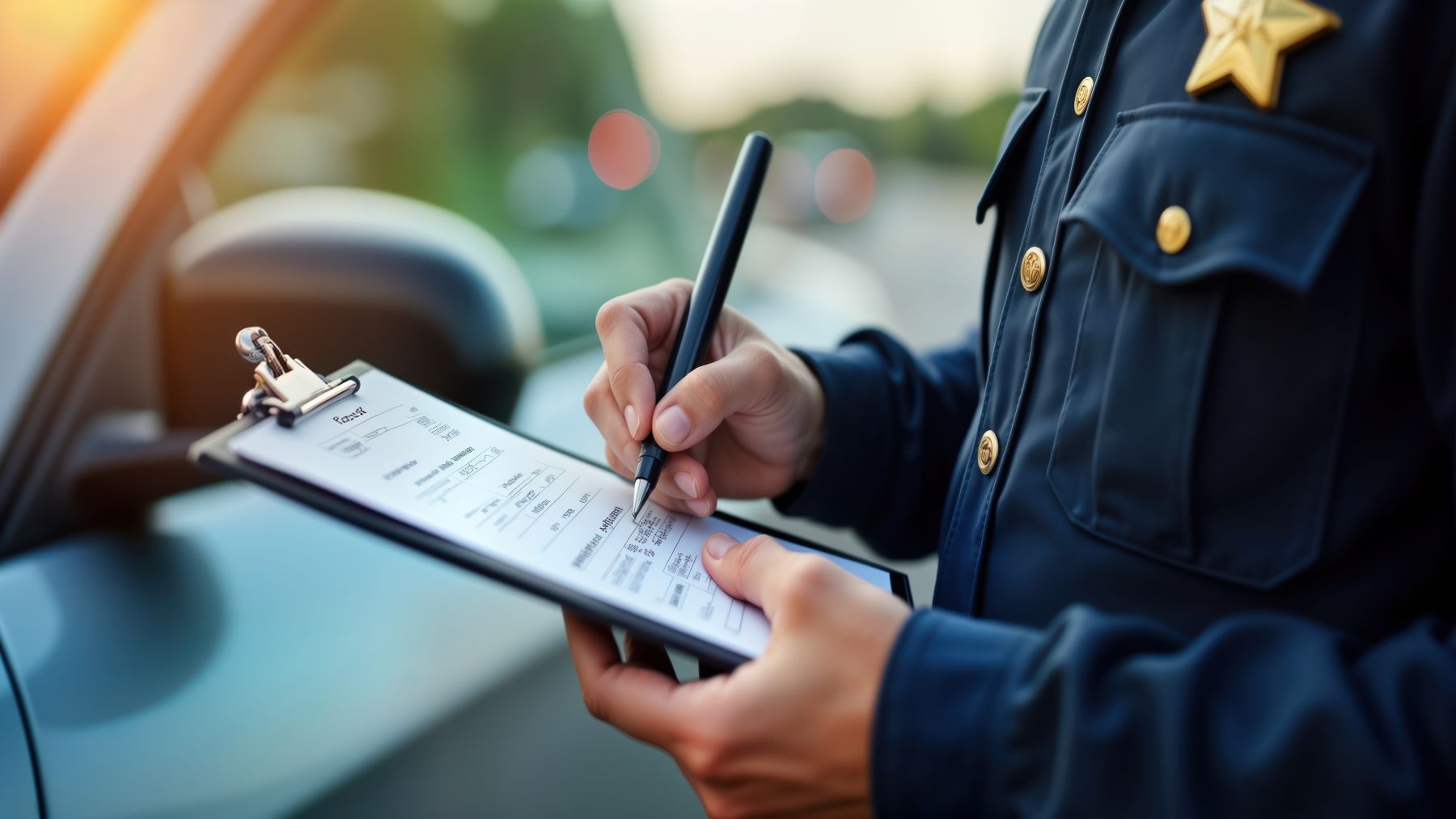
Even as the years go by and technology continues to evolve, one thing remains unchanged: traffic tickets. In the United States, most states offer digital methods for settling violations. There are agencies like the DMV (Department of Motor Vehicles) and local courts that make it easier to pay tickets as long as they are paid on time and the fees don’t increase.
You can also access the official DMV website or the corresponding court website
As we often advise, before making any payment, it’s important to make sure you have complete information and that it always comes from official websites. In this case, it’s key to verify whether the violation is payable or requires a mandatory court appearance. You can use mobile-friendly web platforms, such as www.violationinfo.com, or access state court portals, which allow you to check and pay the fine without downloading additional apps. You can also access the official DMV website or the corresponding court website, as explained above.
In any case, it’s a good idea to be aware of the deadline to respond or regularize the situation, as the situation changes once this date has passed. And of course, to avoid abuse or fraud, it’s essential to make sure you access an official website (.gov), enter the correct information, and keep proof of payment. With this information, the first step is to identify the state and court that issued the fine. Each jurisdiction has its own portal and its own way of operating. In California, for example, you can access the website of the Superior Court of the county where the violation occurred and look for the section for paying traffic tickets.
Payment: most portals accept credit and debit cards
Once on the website, we begin entering information such as the license or vehicle registration number. The system will validate your identity and retrieve the ticket. You will then be shown the amount due and any late fees. Next, we will pay the amount required by the state. Most portals accept credit and debit cards (Visa, MasterCard, American Express). Some jurisdictions charge a small convenience fee for the online service. It’s important to wait until you have the receipt, in case there are any errors or mistakes in the transaction and we need to file a claim.
It’s also important for citizens to know they have options if they can’t pay the fine. States are aware that people’s financial circumstances can vary, and therefore, they may not have the financial capacity to pay a fine within the established timeframe. In these cases, some jurisdictions offer deferrals, payment plans, some type of reduction, and even community service instead of paying the entire amount immediately. Other states, for example, have special forms for requesting an exemption or extension to avoid driver’s license suspension.
We live in a time when it’s possible to do almost everything from home
Returning to the online payment process, once all the steps have been followed, it’s important to check whether the system reflects that the fine has been resolved or paid. This step is important because payment doesn’t mean the process is resolved. If in doubt, the interested party should contact the DMV or the corresponding court to ensure there are no outstanding charges or errors in the application.
With this system, therefore, penalties for late payment are avoided. If the person fined can pay the fine but can’t do so in person, the deadline will not expire because they can do the procedure online. This is one of the advantages of the digital age. We live in a time when it’s possible to do almost everything from home. With an internet connection, a smartphone, or a computer, food can be delivered to your home, you can hire a cleaning service, you can work from home, you can make video calls with friends or family, and you can pay fines. It’s almost frightening; the age of information overload and mega-communication seems to also be the age of loneliness and physical detachment.




