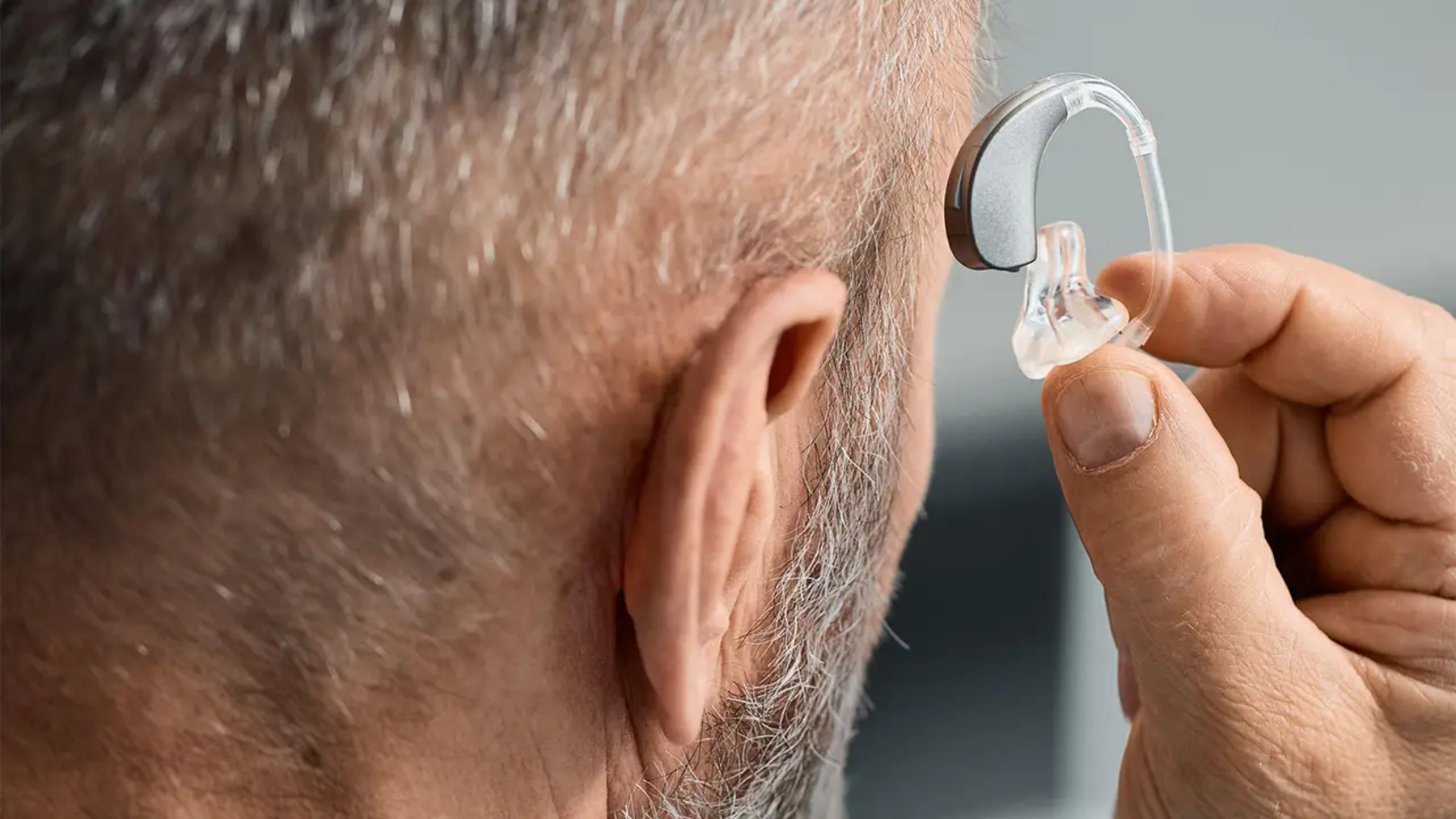
With the onset of aging, hearing loss is a reality. Presbycusis is the cause that affects the human ear and, above all, the inner ear. This condition can be detected through audiometric tests carried out by professionals. Professional otolaryngologists can provide a report ahead of schedule, which helps prevent dementia problems. Likewise, cardiovascular risk factors increase due to occupational noise, which accelerates hearing loss. Read on to learn more.
The most common health problem
Hearing loss is one of the most usual health issue as we age, but it normally progresses so gradually that many people are not conscious of it until it already affects their quality of life. Finding it out it early is important to prevent complications such as social isolation, cognitive decline or communication problems. This is the main reason progesionals insist on the relevance of knowing at what age it can beging to appearand what are the perfect age ranges for regular hearing checks.
When does hearing loss start?
Even though we tend to relate deafness with old age, the truth is that hearing ability can starts to deteriorate from the age of 40 or 50. This happening, known as presbycusis, normally affects the perception of high-pitched sounds and usually progresses gradually. Factors such as prolonged exposure to loud noises, smoking, high blood pressure or diabetes can make this process goes even faster.
In clinical practice, it is known that many people start to experience complications in following conversations in noisy environments or in listening to television at usual volumes from middle age onwards. Novertheless, as it is a gradual issue, it is normal for the individual not to get it as a sign of hearing loss, delaying the medical consultation.
When to start checking on it
Profesionals in otorhinolaryngology suggests a first complete hearing check-up at around 50 years of age, even if there are no clear symptoms. From this age onwards, it is perfect to repeat the exams every three to five years, as the frequency of hearing loss grwos significantly.
In people over 65 years of age, the frequency should be higherand it is sensible to have a check-up every one or two years. In specific if the person has already detected hearing difficulties, uses hearing aids or has any more risk factors. Nevertheless, those who work in noisy environmentsshould begin screening before the age of 40, as intense sound exposure is one of the main reasons of acquired deafness.
i nadvanced detection makes it possible to access answer such as hearing aids or auditory therapies that truyl improve quality of life. More over, there are testimonies linking early treatment of hearing loss with a reduced risk of cognitive decline and dementia, reinforcing the requirement to not underestimate the early indications of deafness as well as any disease, pathology or discomfort that arises in order to remedy it as soon as possible.
How reduce dementia risks
New research suggests that a single device can dramatically reduce your dementia risk, but only if you get one before the age of 70. The findings come as dementia diagnoses are on the rise nationwide, with the number of Americans affected by the memory-robbing disease expected to double by 2060.
The device that can make a difference? A simple hearing aid.
Researchers looked at 2,953 adults who were 60 or older and, at the start, dementia-free. Over 20 years, they all took hearing tests and were evaluated for dementia. About 20% — 583 people — did develop the neurodegenerative condition.
But the biggest brain boost was seen in people who started wearing hearing aids in their 60s. They had a whopping 61% lower risk of dementia compared to those with hearing loss who never used the devices.
People in their 60s with normal hearing had a 29% lower risk than those with untreated hearing loss. But once participants hit age 70, hearing aids didn’t offer much protection.
“Managing hearing loss during midlife — improving hearing with the use of a hearing aid — could help protect the brain and reduce risk of dementia,” Dr. Sudha Seshadri, a behavioral neurologist and co-author of the study, told MedPage Today.