
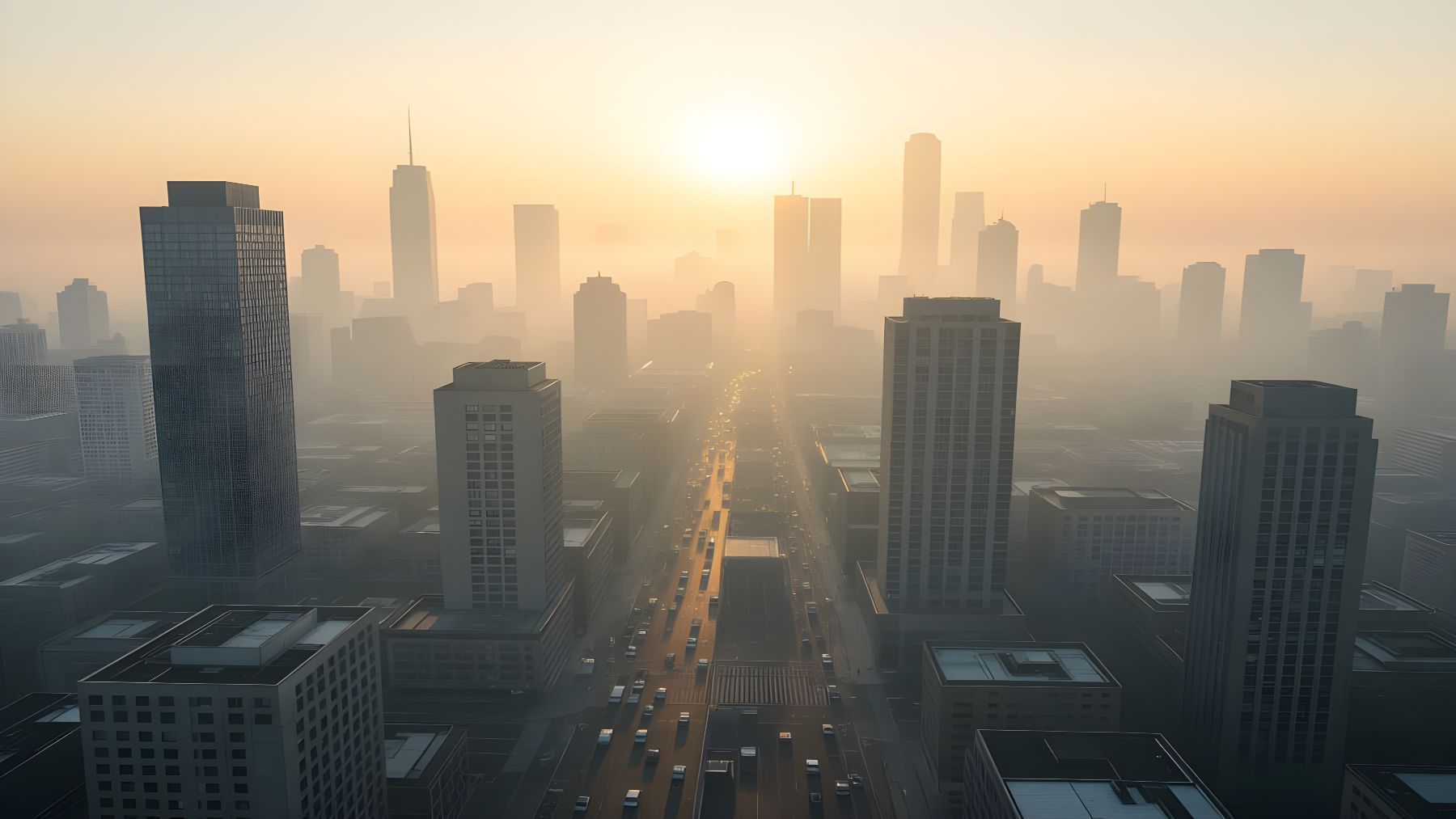
Pollution, in all its forms, is one of the main problems facing humankind in the 21st century. Research conducted by the United States Environmental Protection Agency (EPA) has shown that indoor air can be up to five times more polluted than outdoor air. The study revealed that people living near busy highways could reduce their blood pressure by using an air purifier with a HEPA filter.
Just one month of air filter use reduced systolic blood pressure by nearly 3 points in healthy adults
Pollutants such as mold spores, dust mites, and pet dander can negatively affect indoor air quality and harm your overall health. Just one month of air filter use reduced systolic blood pressure by nearly 3 points in healthy adults with mildly elevated blood pressure, according to the report published Wednesday in the Journal of the American College of Cardiology.
The experiment involved comparing two groups of individuals, one with HEPA filters and the other without. Researchers randomly assigned 154 volunteers to two groups. One would receive two HEPA filters in the most frequently used rooms of their home: one in the living room and one in the bedroom. The other group would receive dummy filters. The groups would then be switched.
Volunteers who had mildly elevated blood pressure at the start of the study experienced a 2.8-point decrease
After one month of living with HEPA filters, volunteers who had mildly elevated blood pressure at the start of the study experienced a 2.8-point decrease in systolic blood pressure, the upper limit considered by the American Heart Association to be the strongest predictor of future heart problems. On the other hand, those living with the simulated filters experienced a 0.2-point reduction. People with normal blood pressure saw no effect from using HEPA filters.
Air purifiers with true HEPA filters can capture 99.97 percent of airborne particles 0.3 microns or larger. However, many bacteria and viruses are smaller than that, according to the HEPA filter website. Nearly a quarter of Americans live near busy roads, according to the new research. People may not realize they’re exposed to traffic-related air pollution, as it’s invisible, odorless, and easy to miss.
Scientists at the University of Minnesota tested true HEPA filters against lower-quality fiberglass furnace filters
According to HEPA information, an air purifier equipped with a true HEPA filter can remove the vast majority of bacteria and virus particles from indoor air. Scientists at the University of Minnesota tested true HEPA filters against lower-quality fiberglass furnace filters, forcing tiny silver nanoparticles through both filters. The results of their experiment showed that true HEPA filters can capture 99.99 percent of particles smaller than 5 nanometers, or 0.005 microns.
An investigation found that people living in more polluted areas had a higher risk of developing diabetes in adulthood
On the other hand, according to confirmed data, nearly half, or about 119.9 million, of adults in the U.S. have hypertension or high blood pressure, according to 2023 estimates from the Centers for Disease Control and Prevention. Separately, in 2016, scientists in Denmark conducted a study examining the correlation between adult-onset type 2 diabetes and the inhalation of particulate matter smaller than 2.5 micrometers, or PM2.5. They conducted the study on a cohort of Danish nurses and found that people living in more polluted areas had a higher risk of developing diabetes in adulthood.
The bottom line is that if you can afford it, it’s advisable to use air purifiers, especially with the increasing air pollution these days.




