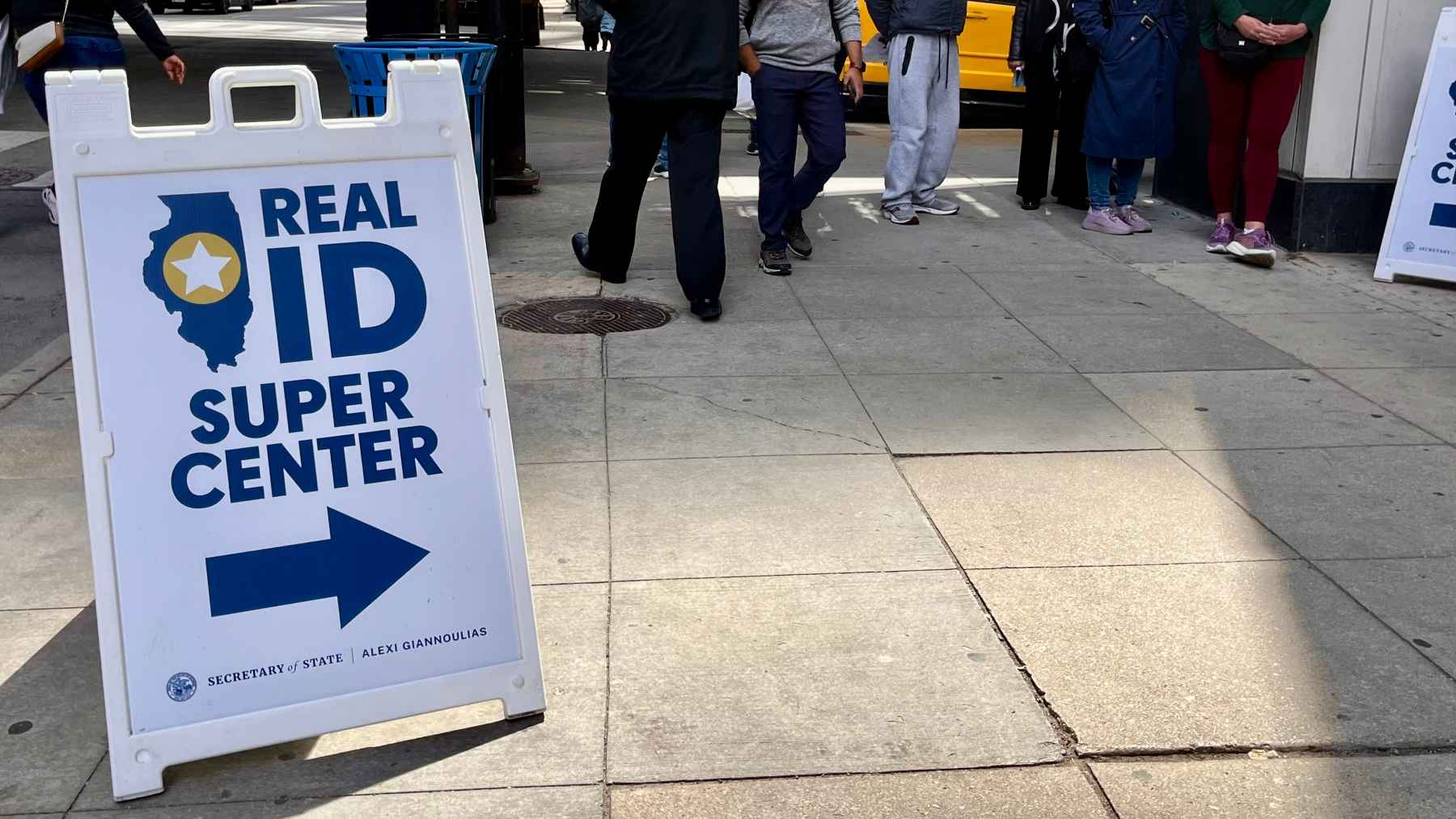
If your green card hasn’t expired yet, here’s how to get the Real ID. Getting the Real ID is a pretty easy process that requires you to provide several documents. The creation and implementation of new federal regulations have elevated the Real ID to the status of an essential document for all US residents. It is no longer the evolution of a simple driver’s license, but this standardized ID has become an essential component in the regulation and identification of residents while boarding domestic aircraft or visiting government facilities. It is important to highlight that the deadline for getting this document, which is essential, is May 7th.
This is the full guide you need to know on how to get your Real ID without renewal delays
The truth is that the Real ID presents a unique problem for the whole immigrant community, particularly for those who are in the process of regularization or whose documentation needs to be updated. In the middle of all this, residents with expired green cards see a light at the end of the tunnel. According to the most recent information, obtaining the Real ID requires a residency extension letter from the United States Citizenship and Immigration Services (USCIS). The document demonstrates that the applicant is currently conducting an active immigration process, which permits him or her to preserve his or her legal status even after the green card has expired. If you are requesting this extension, you should be aware that you must show several requirements and documentation at the branches of the Department of Motor Vehicles (DMV):
- Proof of address (2) confirming the applicant’s present address.
- In addition, bank statements (2) exhibit alternative name formats in case of conflicts with last names. This will help determine the resident’s financial identity.
- A social security number is required.
- A valid government identification, such as a visa or expiring green card.
- Finally, provide documentation of current immigration status.
What exactly is an extension letter that people need for the Real ID?
This document is required to complete Real ID processing with expired paperwork, such as a green card. This notice was sent by USCIS and has the objective of automatically prolonging the permanent resident’s status while the renewal or replacement application is being processed. This status can be achieved in two ways, depending on the specific situation. The first thing to consider is when you apply for a renewal of your green card. USCIS will automatically commence the renewal process through a receipt notification called Form I-797 when you file the I-90 form, either because it has expired or because you lost it.
Your status can be extended for up to 24 months after it expires with this last document, which acts as an extension letter. Similarly, persons with conditional residency, either through marriage or investment, and who have filed Forms I-751 or I-829 to remove the conditions on their residency will receive an automatic extension letter. In these circumstances, the extension of status is normally for a longer period, up to 48 months, while USCIS processes the application. This administrative measure considerably simplifies the process for permanent residents with expired Green Cards, allowing them to meet the Real ID requirement without having to wait for a new Green Card.
Trump has issued a new warning for Green card holders
The Trump administration has issued a warning to US green cardholders, telling them to behave like guests or face deportation, causing fear among millions of legal residents amid increased immigration enforcement. USCIS reminded lawful permanent residents on X, formerly Twitter, that their stay in the country is not assured and may be canceled if they pose a threat to national interests. This new alert highlights the Trump administration’s expanded immigration enforcement strategy, which now more frequently targets both legal and illegal immigrants. Since legal residents are allegedly being deported or refused admittance into the United States due to their political affiliations or online conduct, this trend is primarily driven by a greater regulatory emphasis on social media monitoring and ideological inspection.