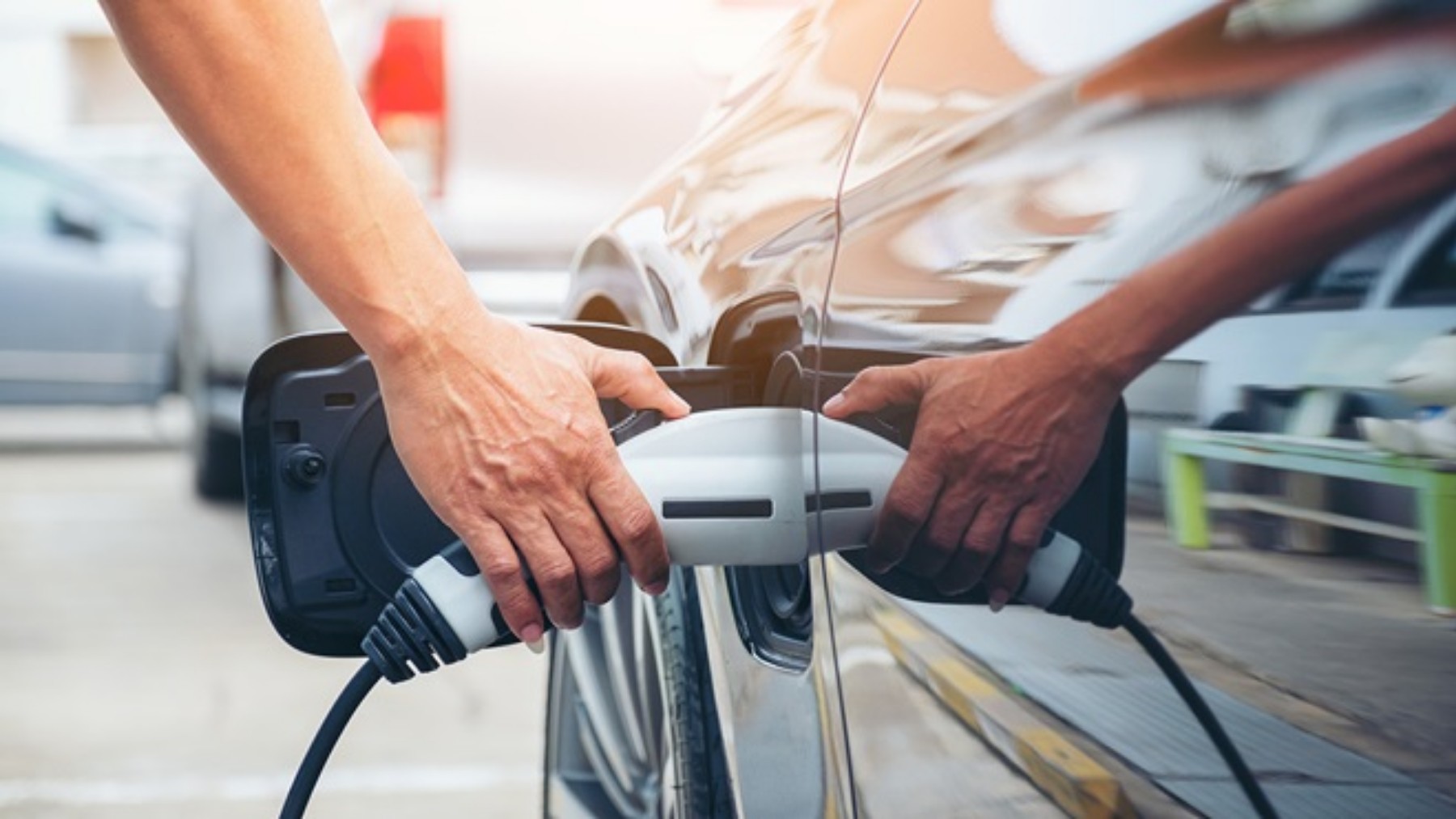
The automotive sector is increasingly moving towards sustainable mobility, with emissions reduction through alternative energies. The advances in the electric car industry are known worldwide, and also the threat posed by the introduction of hydrogen to the sector, with hydrogen cars. If the acceptance of this advance has not been entirely attractive to the population, both Elon Musk, CEO of the company Tesla, and President Donald Trump have made statements against the use of this material. With more substantiated arguments and others without any kind of criteria (respectively), both have positioned themselves in favor of electric cars and against hydrogen ones.
Electric vehicles (EVs)
Although in the last year has suffered losses and its popularity is falling, we can not deny that the company leader in electric motor has been captained by Elon Musk, Tesla. With futuristic designs and exorbitant prices, the company has launched hybrid cars and 100% electric. Despite being a sustainable alternative given its low environmental impact, the reality is that both the manufacture and recycling of lithium batteries used by these cars have a high polluting impact. In addition, the selling prices are directed exclusively to a wealthy sector of the population, so its extension to all pockets is not easy.
Hydrogen vehicles
The flip side of the coin reflects the growing interest in hydrogen-powered cars by consumers, brands and researchers. This resource, which is the most abundant on the planet, has a number of advantages that electric cars cannot compete against: it has a shorter refuelling time and its engines have a greater range. These characteristics make him a perfect candidate not only for the automotive industry, but also to take the leap into aviation.
Aviation and renewable energies
There are many differences between an electric vehicle and a powered by hydrogen one, from the cost, internal structure, materials, design and price among others. Although electric cars are more widespread than hydrogen vehicles, these have certain characteristics which they cannot compete with. Hydrogen-powered engines not only have a shorter refueling time and longer range, but their charging systems are much lighter. This is an advantage in the motor world, but even more in aviation and long haul trucks.
Musk and Trump say no to hydrogen
In their latest statements on the subject, both magnate and president have made their stance on hydrogen cars visible. At the Financial Times Future of Car summit, Musk stated that If what you are looking for is an energy storage source, hydrogen was not a good option. As the company’s founder and CEO, it would not be logical for him to support his more direct competition, but he also has arguments to back up his opinion.
Some scientists have spoken out and argued that it is not a fully developed technology, at least not yet. In addition, the necessary infrastructure to work on its development is not available and therefore it is not considered reliable. A clear example of its lack of effectiveness occurred at the Olympic Games in Paris in 2024, where the Toyota brand was responsible for transporting the participants, and it turned out to be visibly insufficient.
On the other hand we have Trump, with his habit of throwing out statements without any kind of scientific (or logical) backing, and this time it was not going to be less. According to him, the vehicles can explode as if an “atomic bomb went off.” Well, no words. Ultimately, this race to lead sustainable change in the automotive sector has only just begun.
What will happen?
Whether in cars or in aviation, there is every indication that hydrogen and its characteristics represent a number of advantages which would make a significant advance in both industries. On the other hand, the electric car will have to take action if it wants to remain the leader, not only against other renewable sources, but other competitors in its sector, such as Cupra and BYD.
Who´s winning: Tesla BYD or Cupra?