A child changed their lives. He doesn’t cry on his own, but his parents set an alarm every three hours so they can feed him. They change his diaper hourly. They coo at him, cradle him, and check in on him during the night. The catch? He’s not alive. But for Alejandra and Jaime, he is their child.
This Spanish couple turned to an unconventional form of healing after facing infertility. With the help of artificial intelligence, they created a baby that looked like a blend of the two of them, a digital collage of their own childhood faces. That image became the basis for a **lifelike reborn doll**, now a full-time member of their household.
The child born from pixels and pain
Alejandra couldn’t bear the thought of adoption. As someone who was adopted herself, she told reporters: “I don’t even know where I come from.” She didn’t want to witness her child to experience the same questions, the same holes in identity.
After falling into a deep depression, her doctor suggested an alternative: a therapy reborn doll. Not just any doll, though. Using AI, they merged baby photos of each parent to create an image of the child they might have had together. It felt personal, emotional, and oddly real.
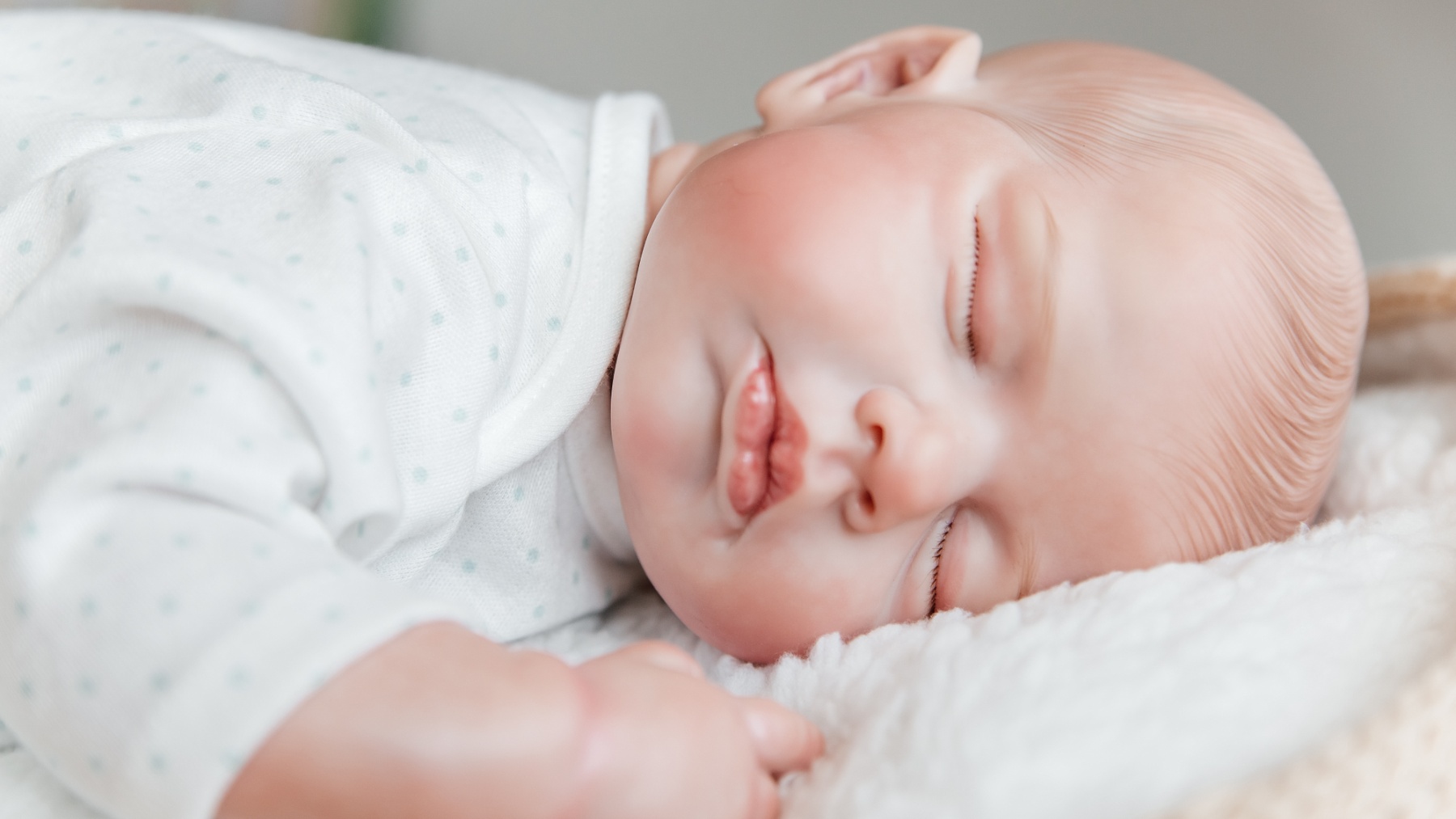
When the package arrived, the mail carrier jumped. Inside was a hyper-realistic baby, eyes closed, mouth parted, limbs soft and weighted to feel real. From that moment, the couple committed.
They follow strict parenting routines. Every three hours, an app plays a baby’s cry so they can “feed” him. They change diapers. They wake up at night. The instructions from their therapist were clear: act like he’s real, and your mind might believe it too.
The science behind it: Does this actually help?
Turns out, it might. Reborn dolls have been used in therapy for decades. Particularly for grieving mothers, older adults with dementia, and people coping with infertility. There have been cases of overly-clingy mothers resorting to this dolls when their children leave the nest for university.
Some therapists report decreases in anxiety and symptoms of depression. The act of caregiving can restore purpose, structure, and warmth to people in pain.
But not everyone agrees. Critics say it risks emotional overdependence or prolongs denial. Still, in the right context (especially with professional guidance) many see it as a transitional step toward healing. From the outside, many of us are remind it of the couple in *Who’s Afraid of Virginia Woolf?*
How AI could help with grief… or make things worse
Until recently, reborn dolls were custom-made using general baby molds. AI has added a new tier that. Now, couples can submit childhood photos and receive a custom face—a fictional “shared” child who could’ve existed. For Alejandra and Jaime, this digital baby bridged an emotional gap no words could.
For ccouples trying to deal with grief, holding a child that resembles both of them seems to soothe the pain.Even if the baby in question is not breathing. In this case, AI helps provide closure.
Facing criticism, standing by love
“People judge you,” Alejandra says. “They say you’re crazy, that it’s ridiculous.” But she and Jaime insist that this decision brought them joy. It filled the silence of their home with coos, bottle time, and bedtime rituals. For them, it wasn’t play, it was peace.
They aren’t alone. Online, thousands of people (mostly women) share photos, stories, and support in reborn communities. Some treat the dolls like art, others like therapy. Either way, judgment isn’t welcome.
Their child may not have a heartbeat, but he has a name, a schedule, and parents who love him. Alejandra and Jaime found a way to transform their grief using tech, tenderness, and imagination.
Not everyone will understand. But in a world where healing can come from anywhere —even an AI-generated face in a soft vinyl body— maybe love doesn’t need a pulse to be real.