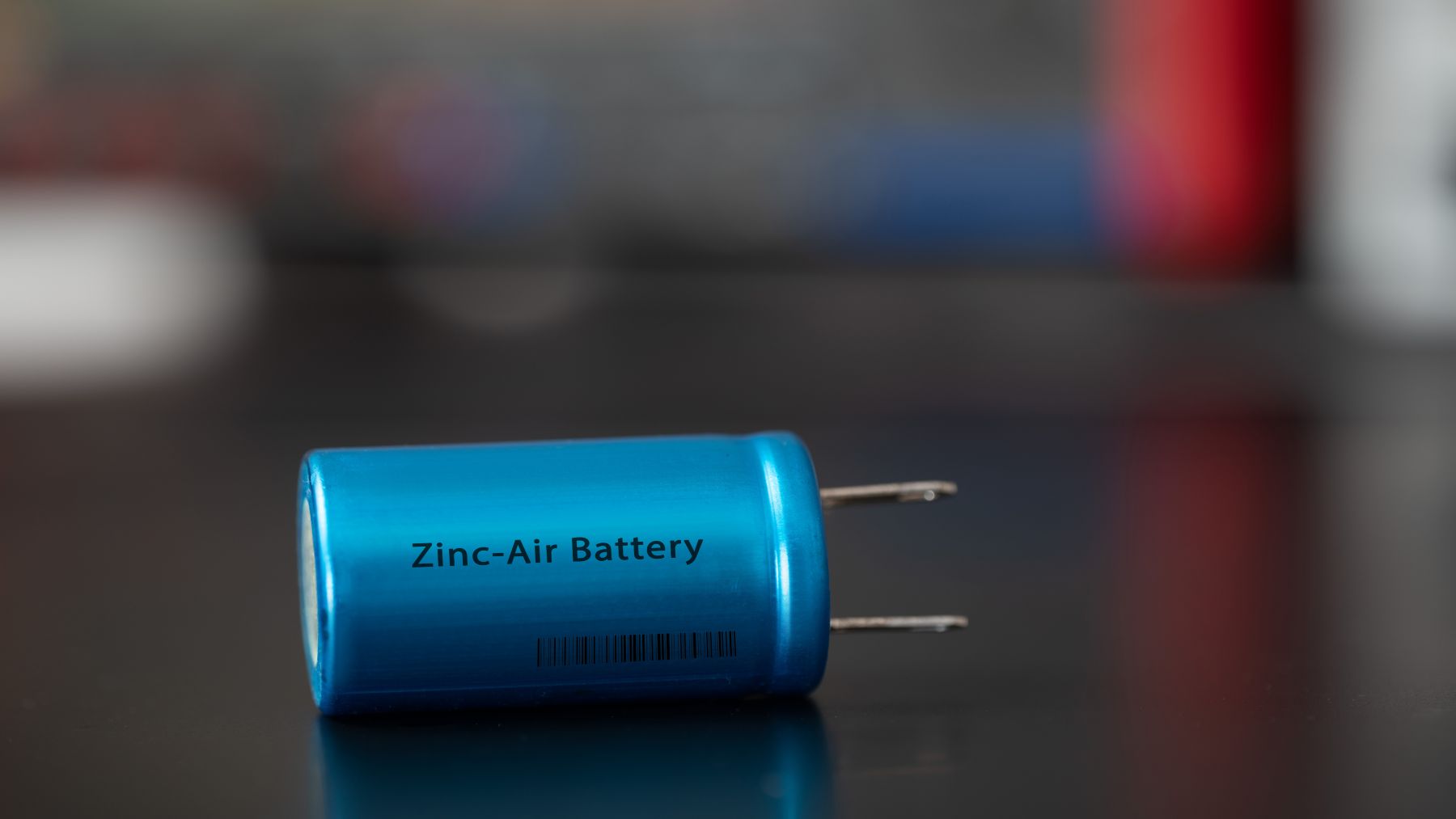
Energy is an increasingly important issue at the national and global levels. While the United States still relies on natural gas and Japan is betting on hydrogen as a solution for the future, India is investing in a “new” way of generating energy through technology. Researchers at the Indian Institute of Science (IISc) have developed a zinc-air battery capable of producing energy and, at the same time, generating hydrogen peroxide (H₂O₂), a compound used to treat contaminated wastewater.
The innovation represents a promising breakthrough in the union of energy efficiency and environmental preservation
India is making surprising progress in developing a technology that could transform the way we generate energy. This innovation represents a promising breakthrough in the union of energy efficiency and environmental preservation. In this sense, it’s a safe bet, as long as the goal is to generate energy while working toward sustainability and renewable energy.
Specifically, what happens with this new formula presented by India is that during the discharge, oxygen is reduced and H₂O₂ is generated instead of water, thanks to a carbon catalyst that dispenses with precious metals. This device, which extracts energy from the air, could be the key to more affordable and efficient energy solutions, in addition to helping reduce pollution. The fact is that this device thus fulfills two simultaneous functions: on the one hand, it supplies energy and on the other, it purifies water.
H₂O₂ and his ariety of applications such as disinfection and industrial processes
What makes this energy so special and important is that instead of relying on fossil fuels or limited renewable energy sources, the Indian technology captures energy directly from the air, an abundant and accessible resource. This battery can precisely control the chemical reaction at the cathode, which causes oxygen in the air to be reduced to hydrogen peroxide instead of water. To demonstrate its effectiveness, the researchers tested the battery with solutions containing industrial dyes.
Continuing with the more technical details, the fact is that by using a carbon-based catalyst, this process is not only more economical but also more sustainable, as it doesn’t require precious metals like palladium, which are used in conventional H₂O₂ production processes. The unique advantage of the H₂O₂ generated is that it can be used in a variety of applications, such as disinfection and industrial processes.
The ‘dream’: Having energy that supplies us and doesn’t destroy the planet while doing so
At this point, we can discuss the other benefits of implementing this zinc- and air-based energy. On the one hand, it’s low cost, as the technology uses abundant materials, making it more accessible to countries with fewer resources; the dual-band solution generates electricity and treats wastewater, solving two critical problems simultaneously; and on the other hand, it’s sustainable. By using air and zinc, the solution is environmentally friendly and doesn’t rely on rare earths or polluting processes.
This project reinforces the global trend toward creating energy solutions that also address environmental challenges. It is essential that large companies be able to generate new, renewable energy sources that also benefit the environment. Having energy that supplies us and doesn’t destroy the planet while doing so is probably the dream of many environmentalists.
This zinc-air battery is a great example of how technology can be used to solve multiple problems
Ultimately, this news demonstrates that Indian innovation not only offers a solution to the growing demand for clean energy, but also represents a new way to integrate energy production with environmental mitigation. This zinc-air battery is a great example of how technology can be used to solve multiple problems simultaneously and in a clean manner.