
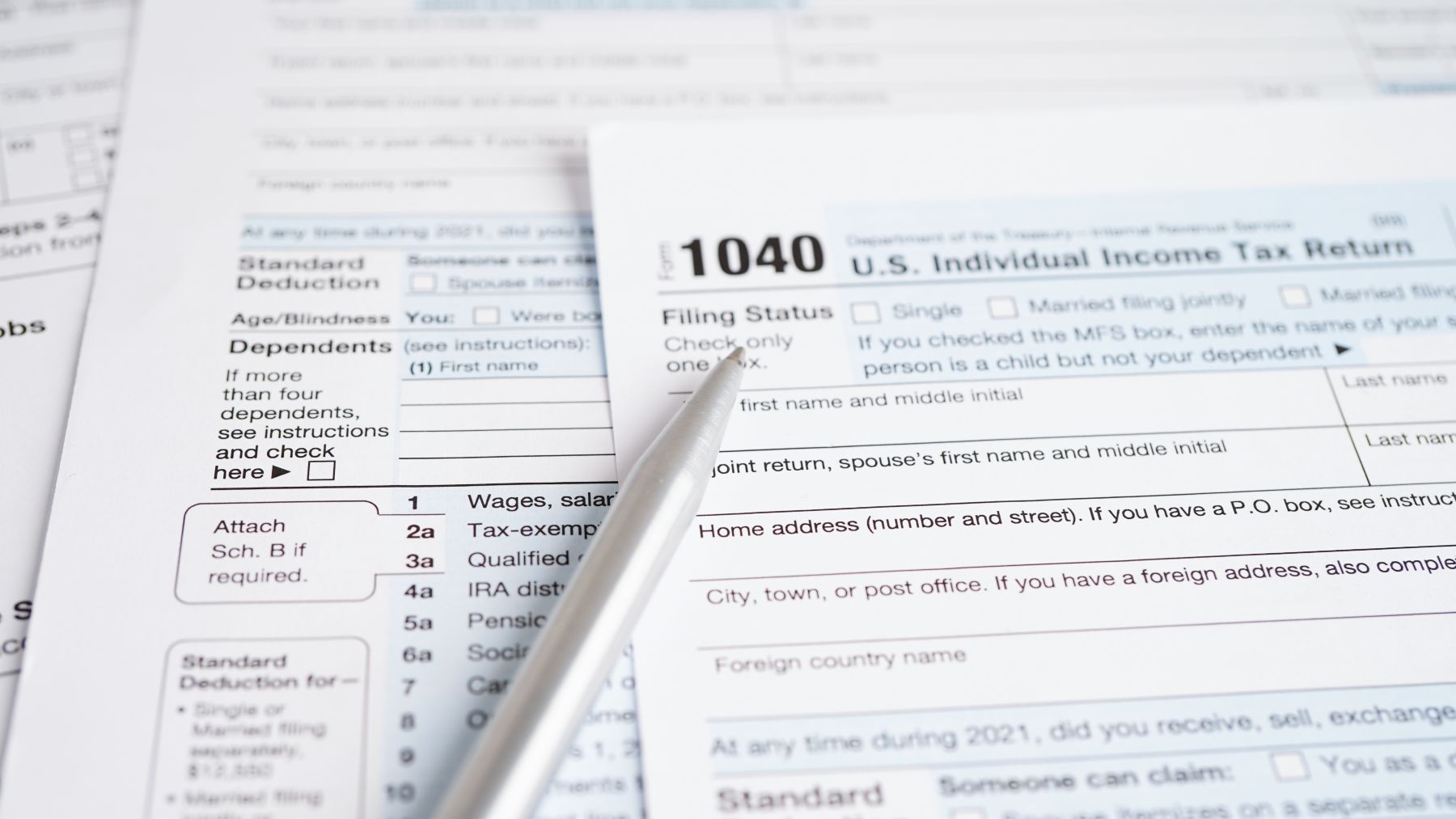
According to recent news, the Internal Revenue Service (IRS) can confiscate your money and assets if you do not pay your taxes. If you do not pay your taxes, the IRS may confiscate your Social Security, property, and salary. It will also allow Americans to challenge the levy before proceeding. Failure to pay taxes on time may result in severe consequences beginning in 2025, including direct liens on income and assets, according to the Internal Revenue Service.
The IRS can now seize Americans’ payments and property due to unpaid taxes
When a person fails to pay his or her tax bill by the deadline (April 15 for most states, except 13 with extensions), the IRS may commence a levy process. This allows for the seizure of monies from bank accounts, earnings, pensions, rental income, commissions, Social Security payments, life insurance, and even assets like cars, houses, trucks, and real estate. A ‘Final Notice of Intent to Levy’ (Letter 1058), notice to the debtor, and the opportunity to request a hearing must all be given by the IRS before any action is taken. Remember that a percentage of your paycheck will be used to settle the tax bill if the IRS garnishes your earnings.
Depending on the standard deduction and the number of dependents, a portion of the earnings might not be garnished. If the garnishment causes ‘economic hardship,’ the taxpayer can file an appeal. Bank account garnishments freeze cash and can result in a processing fee of up to $100. Money deposited after the garnishment date is typically not affected. To recover the debt, the IRS may seize tangible property and sell it at a public auction. If the funds collected do not cover the total, the taxpayer is still liable for the outstanding balance.
There is an opportunity to recover the property before or after the auction, but it may require paying the buyer the purchase price plus 20% yearly interest, compounded daily. The IRS may also remove funds from third-party accounts when the debtor is named as the beneficiary or owner. In addition, if a customer, supplier, or employee has a lien against him or her, the company must give over any property or income that the individual owns to the IRS. It is vital to highlight that lump sum death benefits, child survivor payments, and Supplemental Security Income (SSI) benefits are not garnishable. The process begins with a letter announcing the debt and requesting payment; then, if there is no response, a final warning is sent. Even at that point, taxpayers can fight the charge. For more information about tax liens, please visit the IRS’s official website. Furthermore, for non-tax liens, go to www.fiscal.treasury.gov/top/contact.html or call 1-800-304-3107.
IRS tax collection will be more efficient this year
Under the Trump administration, the Treasury Department intends to make the Internal Revenue Service more efficient. According to IRS numbers provided to FOX Business, total tax receipts for the current filing season are up 5% from the previous year. Additionally, the overall number of tax returns handled has increased by 1.5%. The IRS information technology (IT) budget has been cut by $2 billion since Trump took office. According to the Treasury Department, there have been no operational delays. It added that this was accomplished by eliminating inefficient contracts, such as licenses set to auto-renew but not used.
By removing non-technical staff and replacing them with engineers, the IRS is also changing the leadership of its technology teams. The administration pointed out that fewer than one in every five IRS IT program employees was a qualified engineer, although the industry standard is typically 100%. With a stronger emphasis on employing qualified engineers and placing them in control of IT projects, the IRS is continuing its work to establish a single application programming interface (API) layer, which, according to the agency, began more than 20 years ago and has cost $4 billion.




