
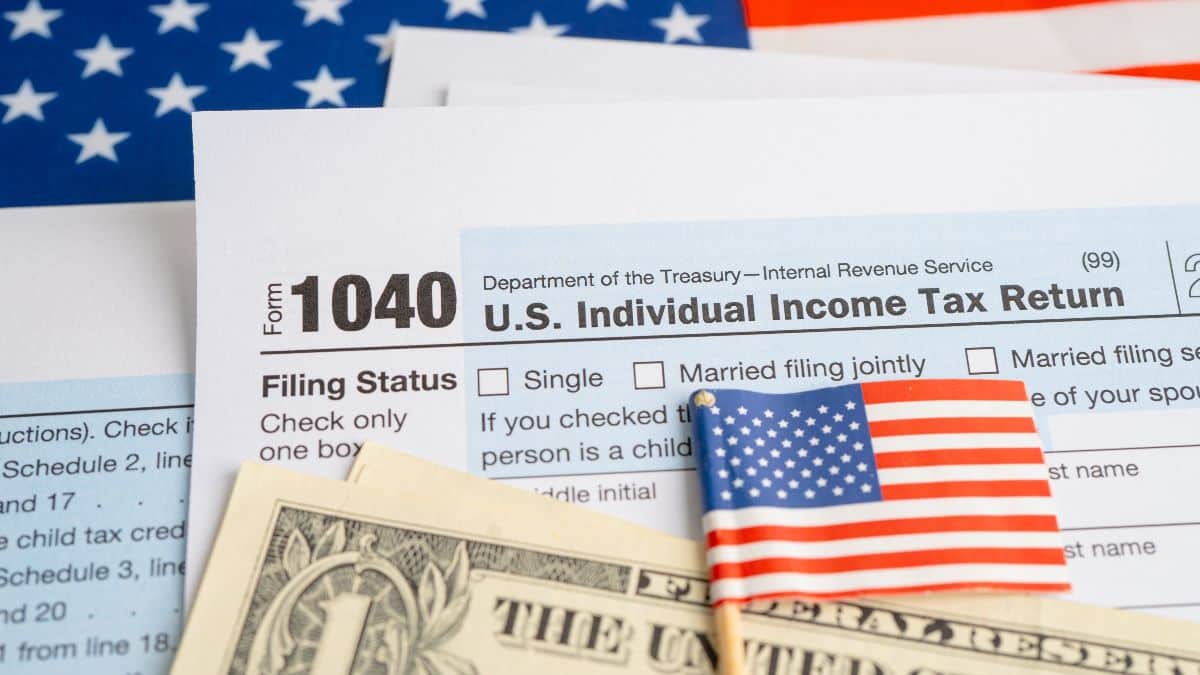
For taxpayers’ assistance with their returns, the IRS has included tax forms. Tax forms will be added to the IRS online individual account tool, the agency just stated. The Internal Revenue Service (IRS) said that by combining crucial tax records in a single digital location and adding return information documents to its IRS Individual Online Account, it is simplifying the tax filing process for taxpayers. The first pieces of information to be uploaded are Forms W-2, Wage and Tax Statement; 1095-A, Health Insurance Marketplace Statement; and 1099-NEC, Nonemployee Compensation. For tax years 2023 and 2024, these forms will be available on the Records and Status page of the taxpayer’s online account.
The IRS will make new forms available for taxpayers in the US
The Internal Revenue Service (IRS) plans to offer further information return documents to the individual’s online account in the upcoming months. The online individual account makes it even easier to maintain important planning information by adding information returns such as Form W-2. Government entities, financial institutions, employers, and other taxpayers must file and report return information papers to the IRS and payers. They offer data that can assist people in submitting their taxes. You will only be able to access tax return information documents that were issued in the taxpayer’s name using your online account.
Your spouse’s return information documents are only available through their online account. Whether you file a separate or joint return, this remains true. Note that the individual online account will not have access to state and local information, including state and local information on Form W-2. Records mailed by the initial filer should be kept on file by the filer. Moreover, online accounts for individuals allow users to create or access their accounts. Besides W-2, 1095-A, and 1095-NEC forms, people can:
- View key details of your most recent tax return, such as adjusted gross income (AGI).
- Request a PIN for identity protection and view it throughout the year.
- Check the status of your refund.
- Obtain account transcripts, including wage and income records.
- Sign tax documents such tax information authorizations and powers of attorney.
- View and edit language preferences and alternative media.
- Receive and view more than 200 electronic notices from the IRS.
- View, make, and cancel payments.
- Set up or modify payment plans and check your balance.
Taxpayers should still file their returns on time even if they still have incomplete or inaccurate documentation. Likewise, taxpayers should get in touch with their employer, payer, or issuing agency and ask for a copy of the missing or updated return information document if they do not receive one or if it is inaccurate or missing. For the majority of filers, the tax deadline this year is April 15. IRS.gov’s Topic 154, Form W-2, and Form 1099-R (What to do if it is wrong or not received) provide additional information.
How can taxpayers still apply for the IRS stimulus check?
It would be worthwhile to file your 2021 taxes if you haven’t already, as you might be losing out on money. Approximately one million taxpayers who did not receive their COVID-19 stimulus checks have been receiving payments from the Internal Revenue Service totaling up to $1,400. To guarantee that qualified taxpayers receive their money back, the IRS is now automatically disbursing these payments since the credit was first self-claimed.
The tax provision, known as the Recovery Rebate Credit, enables individuals to collect 2021 stimulus funds that they missed. You can still claim the money if you were qualified but didn’t get it. The caveat is that you have until April 15, 2025, to file your taxes. Either a physical check or an automatic deposit will be made using the bank details provided on the taxpayer’s 2023 tax return.




