
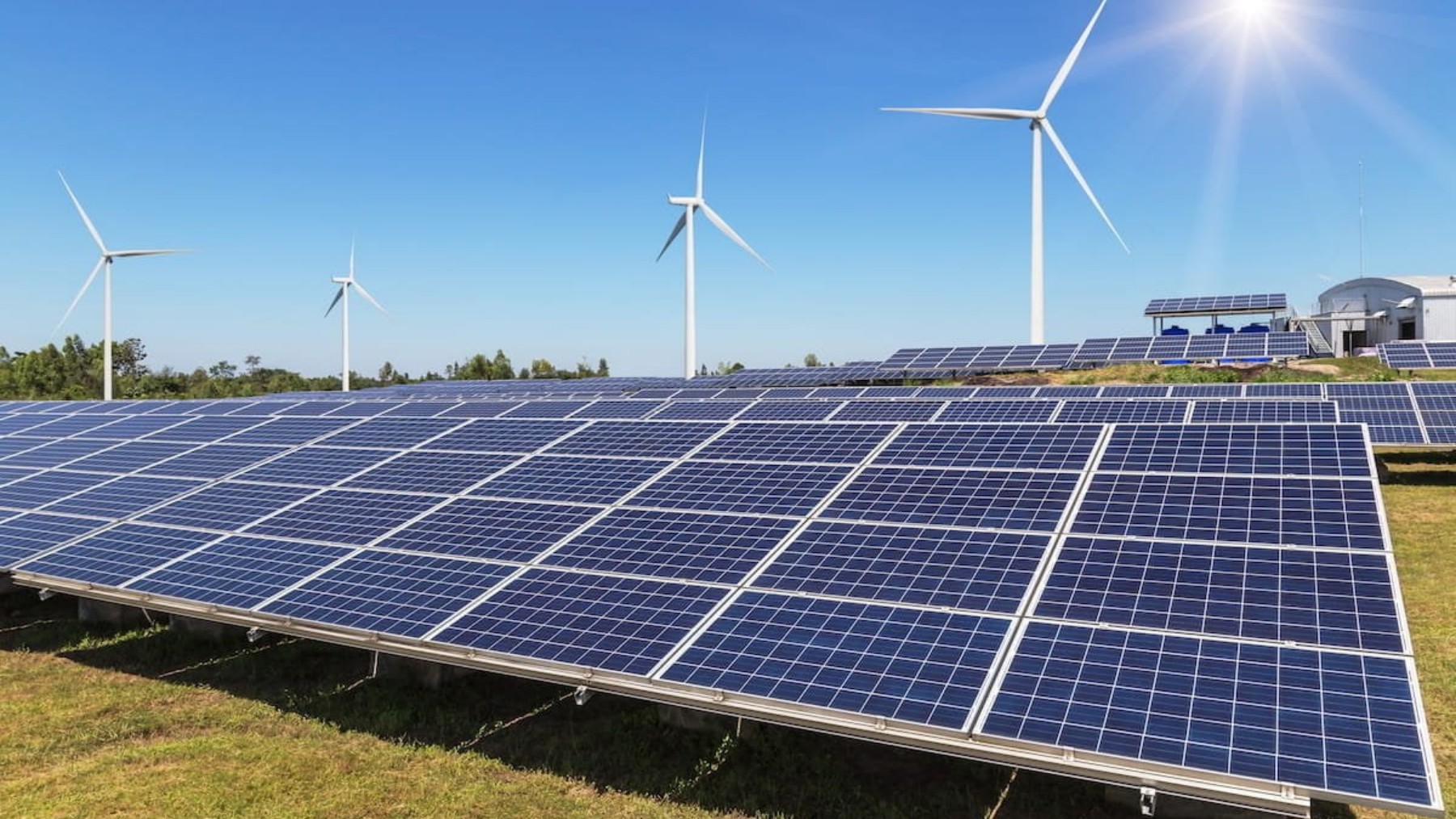
The Asian giant has always been the leader of the global energy revolution. In order to mitigate climate change, it has been committed for years to sustainable development and renewable energies, with the aim of being independent and improving its energy efficiency. In this case, the focus is on Japan, which has taken a step further in technological innovation with the creation of a solar super panel. Its commitment to solar energy and green technology will help to reach its goal of zero emissions by 2050.
Fukushima
Sadly, Japan has been the scene of environmental catastrophes such as the accident and the nuclear power plant in Fukushima. In 2011, a tsunami devastated the east coast of the island, affecting the nuclear plant and causing the release of nuclear waste in that region. This led, among other catastrophic consequences, to the loss of renewable energy production, which was of incalculable value.
The super solar panel
After this event, it is becoming considerably difficult for the Japanese to regain the level of renewable energy production needed to meet the region’s needs. The country has put in place various strategies to achieve a total reduction of its emissions; 0 emissions by 2025. After years of effort, they may be facing the long-awaited solution. Imagine a super solar panel that works like 20 nuclear reactors? Well, this is the Japanese bet. Japanese scientists are evaluating the option of replacing the silicone used in the bases of solar panels by a material called pervskite.
What´s perovskite?
It is a flexible material that can replace silicone, providing many more benefits. Studies show that it has a 43% efficiency compared to 29% of silicone bases. This means that the capacity to produce energy is greater, even speculating that it has the power to generate the same energy as 20 nuclear reactors (20 gigawatts).
Its elastic and flexible quality is not only a visual attraction, but, unlike silicone ones that are rigid, they can adapt to surfaces that are not completely flat and take advantage of recesses that could not be reached otherwise. Its use would not be limited to curved constructions, but even small devices such as headphones.
Japan´s advantage
The Japanese Ministry of Industry bets all its cards on the use of perovskite, as it has proven to be more efficient than silicone. One of the most important ingredients in solar panels is iodine. Guess who is the second largest producer of this material worldwide? Indeed, Japan. It seems that the stars have lined up for the Asian archipelago, because the situation of which it enjoys is unbeatable. Economic independence and production of solar panels of perovskite would be a direct ticket to power and better positioning in the market.
Regain their competitive capacity
As has happened in many other markets that have nothing to do with climate change or the generation of renewable green energies, Chinese manufacturers have entered the market with succulent prices and good quality. This has led to a decline in Japanese sales figures, but that may be about to change. The Japanese government is offering its support to the company Sekisui Chemical Co. in the manufacture of perovskite solar panels, which will reach the global markets by 2030. It is undeniable that the trend of renewable energy use in Japan is growing, with an increase in consumption from 1.9% in 2014 to 10% in 2024, crazy right? Wished every country showed this data.
The future of solar panels is Japanese
The future of solar panels is likely to be led by Japan. Incorporating this new material into its production process would give it the ability to create a product with an efficiency never seen before, and could be the solution to its admirable and fascinating challenge of reaching zero emissions by 2050. All this idilic scenario will be given as long as the characteristics of the perovskite fulfill what is promised.
Want to know hoy water is turned into power in China?




