
Society is increasingly recognizing that products packaged in plastic are not the best option, due to the components that plastic can leach into food or beverages. They are not the best option for either health or the environment. The main dangers of using plastic bottles can be summarized in two: the presence of chemical components in the plastic and the bacteria that can grow in the bottles.
It’s important not to constantly reuse these types of bottles
One of the main recommendations is not to reuse plastic bottles. The most practical option is to quickly buy a bottle of water, for example, at a supermarket. It’s much easier to find plastic bottles in any store and at low prices than glass bottles or bottles with other components. Therefore, it’s important not to constantly reuse these types of bottles.
The heat can cause chemicals like BPA and phthalates to leach into the water
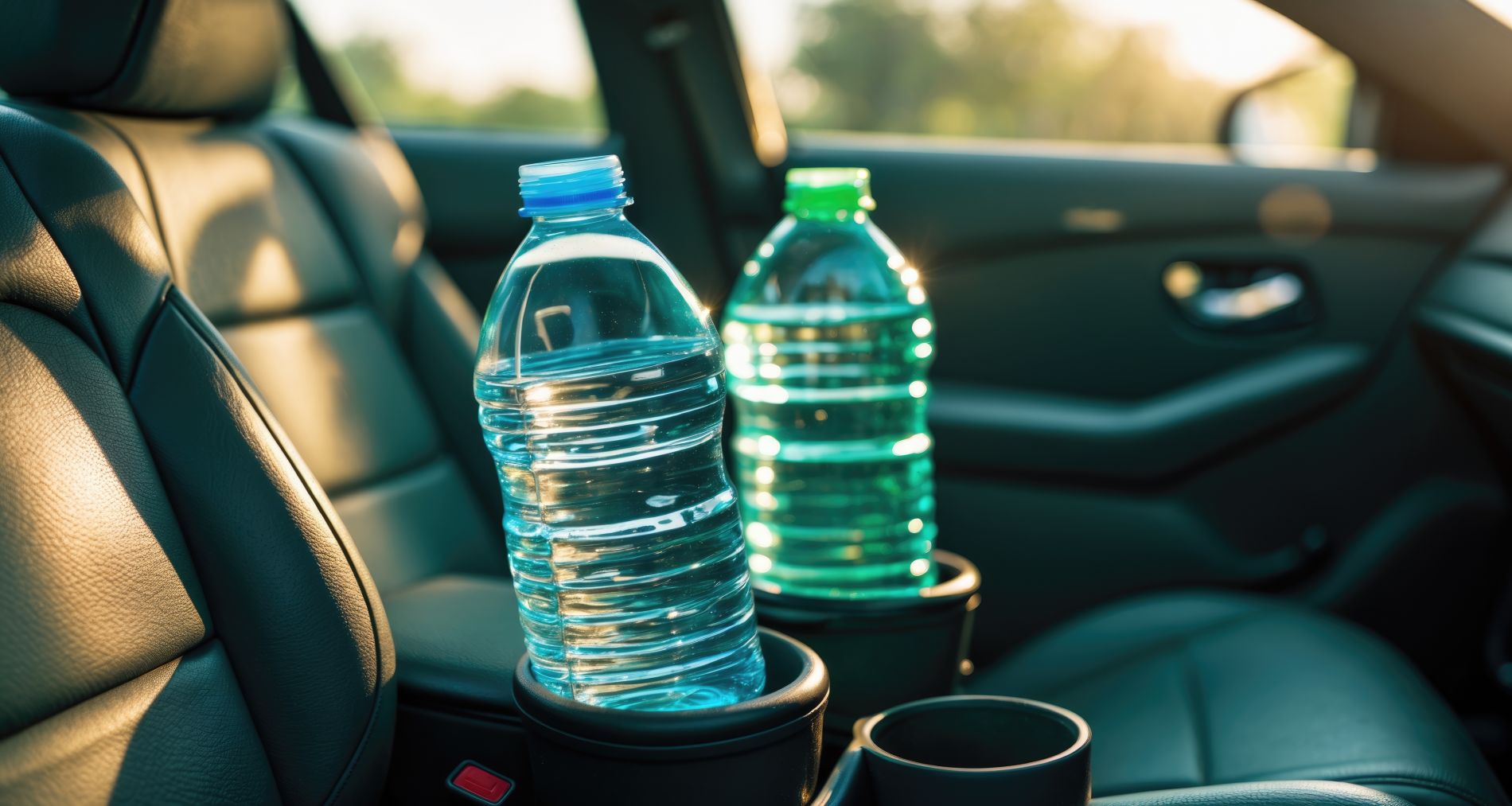
Factors to consider include heat and chemical leaching. Plastic bottles are made of polyethylene terephthalate (PET), and while generally considered safe, these plastics can begin to break down at high temperatures. When a bottle is left in a car at high temperatures, especially during the summer, the heat can cause chemicals like BPA and phthalates to leach into the water. While levels of these chemicals are typically low, constant exposure over time could pose potential health risks.
If an open bottle is left in a car at high temperatures, bacteria can multiply rapidly, especially in the warm
On the other hand, there’s bacterial growth. When you open a plastic water bottle, bacteria can begin to grow inside. If an open bottle is left in a car at high temperatures, bacteria can multiply rapidly, especially in the warm, humid environment inside. Even if the water looks and tastes fine, it may no longer be safe to drink.
Last but not least, the taste and freshness of the water. If you’ve ever drunk water from a plastic bottle that’s been left in the sun or has been opened for a while, you’ve likely noticed a slight off-flavor. It might seem stale or spoiled. This is because heat and sunlight can also affect the freshness of the water. The longer the bottle is left in the car or at high temperatures, the more the flavor and quality degrade.
There is some research that demonstrates the presence of microplastics in the water
There is still much to be studied regarding the migration of chemicals from bottles into drinking water, however, there is some research, such as that from the University of Copenhagen -which studied chemical migration into drinking water stored for 24 hours in new, used, and dishwasher-washed bottles- that demonstrates the presence of microplastics in the water.
Researchers believe that this transfer of microplastics into water is even greater with mechanical friction
This migration of microplastics increases with exposure time, UV light, and increased temperature. Researchers believe that this transfer of microplastics into water is even greater with mechanical friction, which occurs, for example, when we open and close bottles.
Above all, the most important thing is health and hygiene. It’s clear that there are circumstances in which using plastic bottles is the solution. It’s not about inciting fear in people about drinking water from plastic bottles; it’s about raising awareness and presenting other, healthier options. Staying hydrated is essential for the functioning of our bodies, so doing so in the best possible way is ideal. Free drinking fountains are increasingly available in cities, so the option of carrying a reusable stainless steel bottle is gaining more and more attention.




