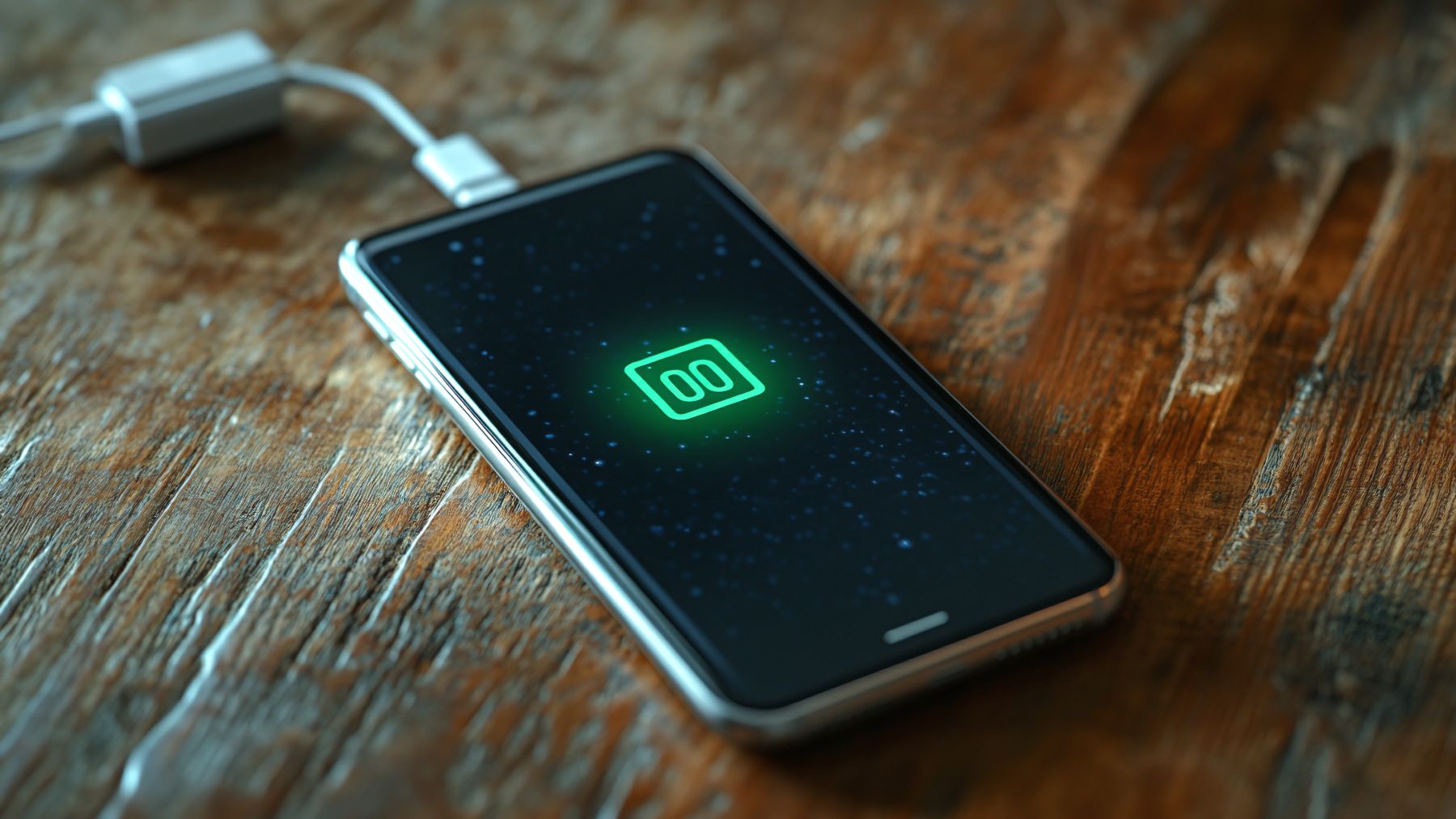
Extreme temperatures lead to rising electricity prices. This applies both to winter, with extremely low temperatures, and to summer, with scorching heat waves. These are the times when households use air conditioning, heating, fans, and space heaters the most. While these are, at first glance, the main sources of energy consumption, it’s true that some energy is wasted without people even knowing it, such as leaving a cell phone charger plugged in even when it’s not connected to the phone. All this according to the Institute for Energy Diversification and Saving (IDAE) and the International Energy Agency (IEA).
A single charger left plugged spends roughly the same as leaving a TV on for 50 to 100 hours
Up to 11% of the annual electricity consumption in an average household can come from devices in standby mode. Whether due to laziness or forgetfulness, this is a bad practice, as, although to a lesser extent, it also increases the electricity bill throughout the year. If we consider that a charger plugged into the mains, without being connected to a mobile phone, consumes an average of 0.00002 kWh. And that on average it spends 16 hours connected (subtracting the 8 we spend sleeping with the phone charging), we will spend an average of 0.12 euros per year.
In short, as reported by organizations like Energy Saving Trust and Natural Resources Canada, a single charger left plugged in and unused can consume between 0.1 and 0.5 watts per hour. Over a full year, that amounts to 5 to 10 kWh of extra usage — roughly the same as leaving a TV on for 50 to 100 hours.
It’s true that it doesn’t seem like an exaggerated expense; at first glance, it’s something any household can afford. But it’s true that such expenses, if added together, can be an easy amount to reduce. Because the less we spend, the better for the planet. Even if we don’t spend too much on our own pockets, we can always do so to avoid so much combined consumer spending. Because that 10% represents a household’s spending, we would have to add up the total consumption if most families spend this extra.
Leaving the cell phone charging overnight: it’s better to remove them for the sake of battery health
Another common practice is leaving their cell phone charging overnight. The vast majority of people take advantage of their sleeping hours to charge their smartphones, as this is when they’re unlikely to be using them. This is a bad practice, as, albeit to a lesser extent, it also increases their electricity bill throughout the year.
It’s true that it can’t be compared to the power consumption of an oven or a washing machine, but a cell phone is a device that users use constantly and generally charge every day. It’s also true that the consumption isn’t excessive, but this type of behavior isn’t entirely good for the health of cell phone batteries. Besides, the vast majority of chargers today are smart, which means they stop consuming when the battery is fully charged, but it’s still better to remove them for the sake of battery health.
In fact, leaving your phone plugged in all night is called phantom power usage, which has financial and environmental impacts. While battery degradation is a real concern, and although, as we mentioned, modern batteries are designed to stop charging once they reach 100%, keeping them plugged in for long periods in a fully charged state can put unnecessary stress on them.
Finally, the heat generated when charging a phone not only affects the battery but can also damage other internal components, affecting its performance and stability. Therefore, in general, it’s recommended to charge smartphones only for the necessary amount of time and remember to unplug the charger when not in use.