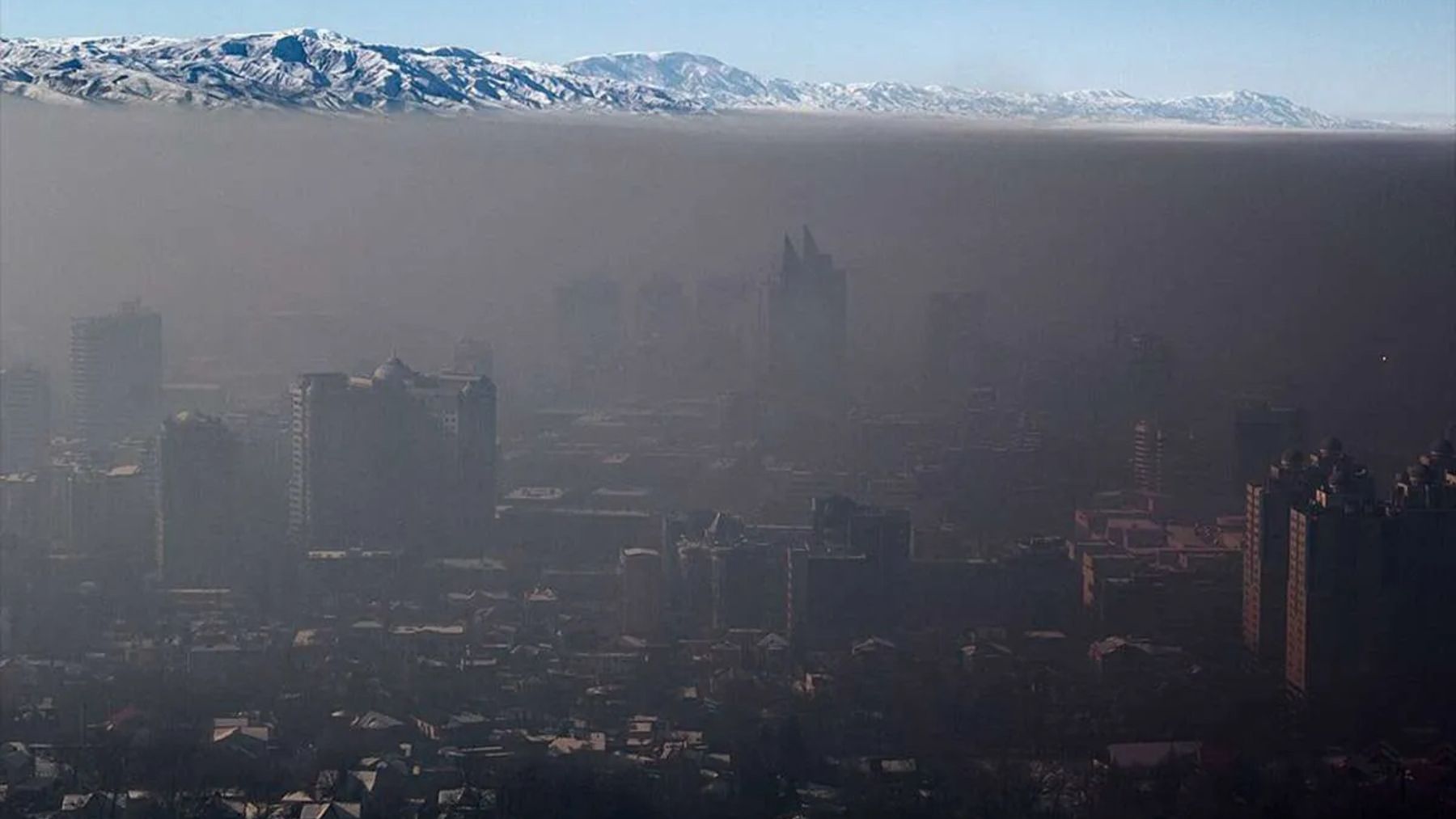
The science is clear: cleaner air benefits human health and contributes to combating climate change. That’s a fact. Just as high concentrations of air pollution impact people’s health, particulate matter and nitrogen dioxide are among the elements that cause the most damage. Living away from air pollution not only improves lung function and reduces the risk of respiratory diseases, but also influences cardiovascular health, sleep quality, and emotional well-being. The latter is very important, especially in times when the spotlight has been placed on mental health.
When patients somatize certain feelings, whether anxiety, stress, or depression, they often see this reflected in digestive and hormonal problems
Those who live in natural environments or with clean air tend to experience a greater sense of vitality and mental clarity. Numerous studies have shown that physical health is closely linked to mental health. The idea that everything passes through the digestive system is a proven fact. When patients somatize certain feelings, whether anxiety, stress, or depression, they often see this reflected in digestive and hormonal problems. Recent research confirms that prolonged exposure to pollutants such as fine particulate matter (PM2.5), nitrogen dioxide, and ozone is associated with an increased risk of heart attack, anxiety, cognitive decline, and even premature aging.
The majority of people living in European cities are still exposed to levels of air pollution that the World Health Organization considers harmful
Among the benefits of breathing cleaner air, in addition to improving the respiratory system, is a strengthening of the immune system. More efficient oxygenation allows the body’s defensive cells to function more effectively, strengthening the response to infections and fatigue. According to the European Environment Agency’s latest annual air quality report, the majority of people living in European cities are still exposed to levels of air pollution that the World Health Organization considers harmful.
Concentrations of so-called fine particulate matter were responsible for approximately 428,000 premature deaths in 41 European countries in 2014
Air is also a crucial factor in skin quality. Staying away from smog and microparticles prevents pore blockage, improves radiance, and delays the signs of aging. Returning to the data, according to the report mentioned above, concentrations of so-called fine particulate matter were responsible for approximately 428,000 premature deaths in 41 European countries in 2014, of which around 399,000 occurred in the European Union.
Constant exposure to clean, fresh air lowers levels of cortisol, the stress hormone, and promotes a more stable emotional balance
As we mentioned before, mental health is key to living a balanced life. Constant exposure to clean, fresh air lowers levels of cortisol, the stress hormone, and promotes a more stable emotional balance. Remember that if cortisol levels rise, the immune system weakens and the risk of getting sick increases. Hence the relationship between emotions and physical health. Even digestion can benefit, as an oxygenated body maintains a more active metabolism and a more balanced appetite.
Until these projects are implemented, the best advice is to go to the mountains or to spaces with clean air to give our bodies a break
Without a doubt, information is essential to combat air pollution and reduce its harmful effects. Sleeping in places with clean air also improves sleep quality, as the body can rest without the interruptions that pollution or dry city air can cause. However, to improve air quality and achieve the EU’s long-term low-carbon goals, emissions from all economic systems and sectors, such as mobility, energy, and food, must be addressed, and the production and consumption patterns that generate these emissions must be understood. So, until these projects are implemented, the best advice is to go to the mountains or to spaces with clean air to give our bodies a break. And that’s perfectly fine.