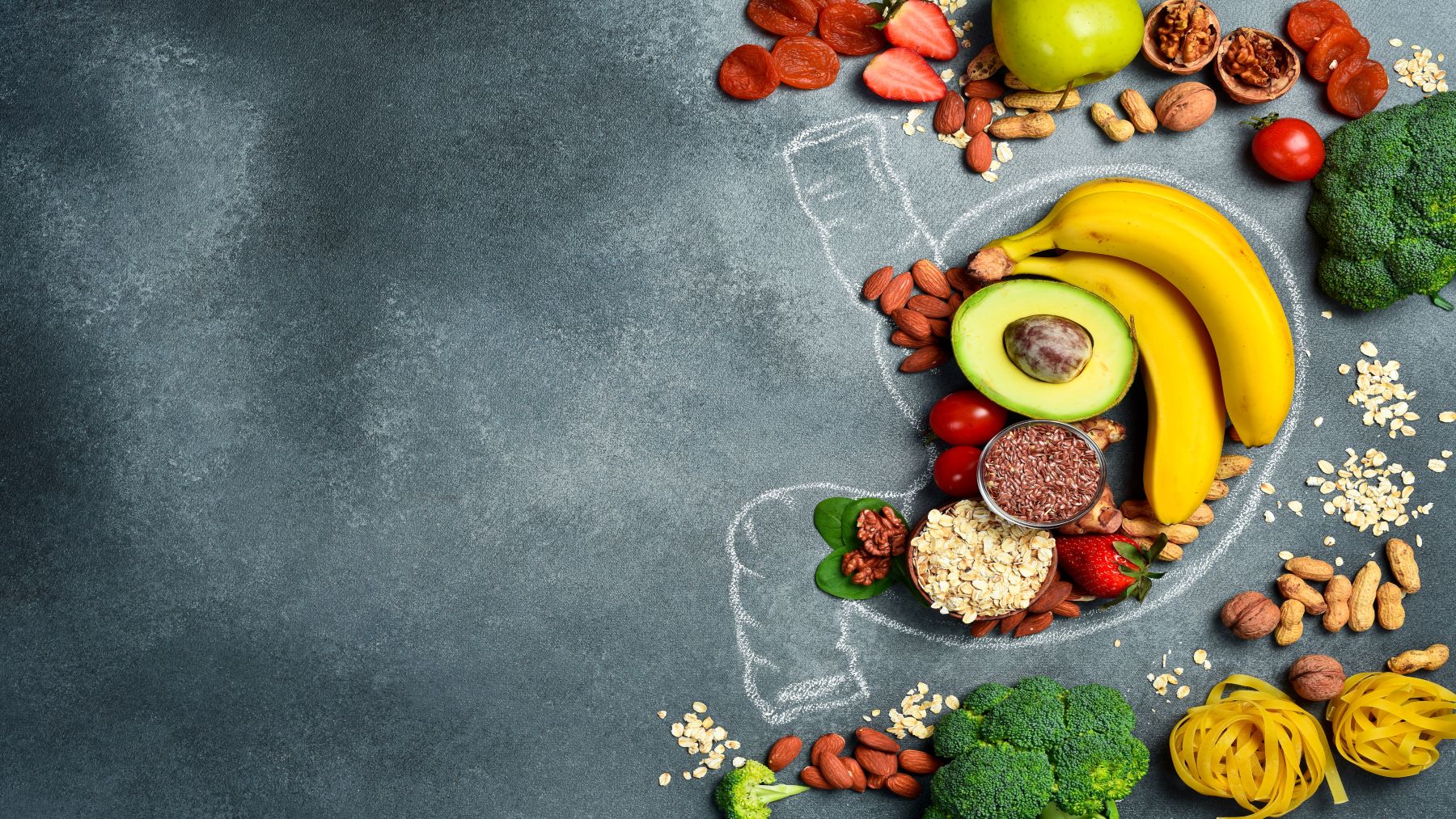
Fiber is one of the foundations for avoiding chronic inflammation, experts say. A diet rich in fiber can help strengthen the immune system and take care of our body’s microbiota. However, the data isn’t good for Americans. Bulsiewicz, a gastroenterologist and writer, points out that 9 out of 10 US citizens are deficient in fiber, “the weapon of choice for combating chronic inflammation.”
Approximately 600,000 people die from cardiovascular disease in the United States each year
According to the Centers for Disease Control and Prevention, one in four American deaths is caused by cardiovascular disease. Approximately 600,000 people die from cardiovascular disease in the United States each year. These numbers are enough to make you take your diet a little more seriously. Whole-grain foods like bread, rolls, tortillas, pasta, and brown rice can help keep your heart healthy and contribute to your daily fiber needs. Compared to the fiber found in fruits and vegetables, fiber from whole grains can be exceptionally beneficial for heart health.
Inflammation is an essential part of the healing process, but when it becomes chronic, it does more harm than good and contributes to a variety of health problems, including allergies, autoimmune diseases, type 2 diabetes, depression, and Alzheimer’s. Therefore, it’s important to take this topic seriously, especially today when we have so many affordable options at the supermarket.
Fiber is important to trigger the release of a gut hormone called GLP-1, the same hormone mimicked by Ozempic
So, getting into the nitty-gritty, we need to understand that up to 80% of the immune system resides in the intestinal barrier that lines the intestinal walls. Therefore, prebiotic fiber acts as food for beneficial gut bacteria, allowing them to multiply, increasing the healthy diversity of the microbiome, and suppressing inflammatory microbes. On the other hand, and something that should be familiar to us, especially in these times, is that the short-chain fatty acids (SCFAs) produced by fiber-fed microbes trigger the release of a gut hormone called GLP-1.
This hormone is the one Serena Williams has recently promoted, as it’s the same hormone mimicked by Ozempic and other popular weight-loss drugs. It’s a hormone that sends a message to the brain that requires satiety. This could be the reason why clinical studies have shown that high-fiber diets are associated with significantly lower body weight.
Studies have shown that high-fiber diets are linked to lower cholesterol and blood pressure levels
With this, we can understand the results of certain research. In a study published in the journal Nature in February 2024, researchers measured the metabolic responses of 1,000 people after eating. Studies have shown that high-fiber diets are linked to lower cholesterol and blood pressure levels, thus preventing this strain and inflammation on the cardiovascular system.
The microbiome was one of the most significant predictors of insulin sensitivity, “more important than body shape, more important than age, more important than the food you just ate, and much more important than genetics and gender,” says Bulsiewicz. Therefore, some of the experts’ recommendations include eating foods rich in fiber, staying hydrated, and exercising.
As scientists and experts on the subject detail, even when it doesn’t lead to weight loss, regular exercise increases the diversity of the microbiome, decreases inflammatory visceral fat, and reduces inflammatory cytokines. It’s also advisable to monitor stress levels, especially in these times. Chronic stress leads to chronic low-level inflammation. Keep stress in check by getting enough sleep, nurturing social connections, and incorporating practices such as meditation and yoga. Even going for a walk—anything that helps clear your mind of work, family, and personal problems—is the best way to try to maintain our physical and mental health in balance.