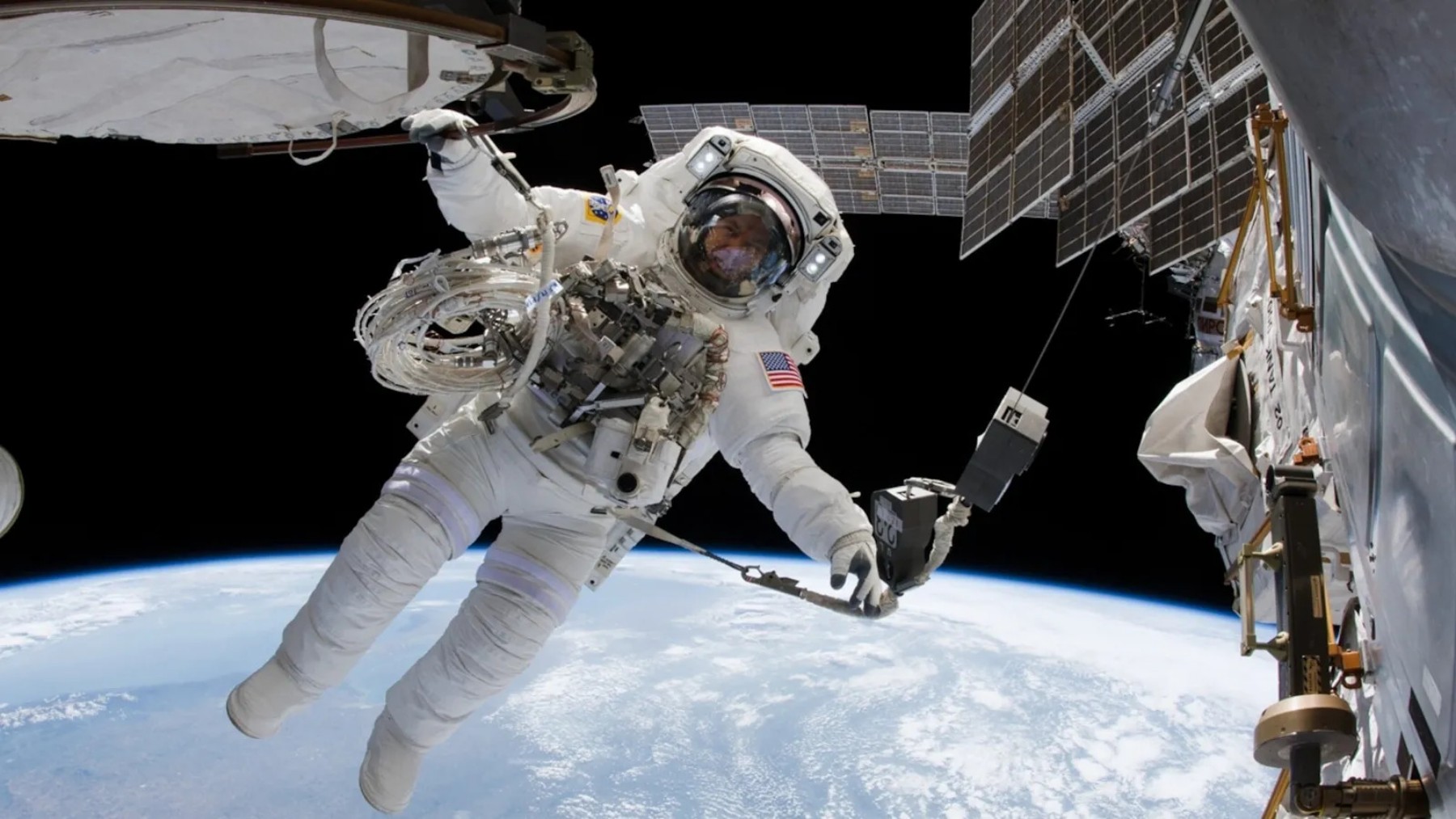
Have you ever wondered what would happen if unfortunately an astronaut died in outer space? Death in space is one of the topics that have been addressed in recent years by NASA, implementing measures regarding aerospace science. Space exploration is becoming more common, including space tourism missions. The International Space Station has increased space security by implementing an emergency protocol through which astronauts collect samples and are able to keep the body in good condition until they return home. In case that option does not exist, the option of being able to bury the deceased in a lunar niche is considered.
Human Remains Container Unit (HRCU)
Have you ever heard of it? This is a space expedition carried out in 2012, when the International Space Station (IEE) received this unit on a resupply mission. There was not much noise around this mission as it was intended to be discreet. Human remains were sent into space with the intention of studying their behavior, deterioration and preservation in extraterrestrial conditions.
It was a body bag. It is characterized by being of military standard and enabled to be connected to the ship’s cooling system. It is able to absorb moisture, camouflage and eliminate odor, and has zippers that ensure the treatment of the body. When the body can be returned to earth, astronauts must place it in a sitting position. The HRCU bag has the ability to delay the decomposition process of the body by 40 days, so that the individual’s identification and nationality can be easily recognized.
Safety on board
The death of an astronaut or a space tourist is increasingly possible. More and more space expeditions to both the Moon and Mars. In addition, the Middle Ages of astronauts are beginning to be around 50, so it would not be surprising if this were the case. This is also explained in an article in the journal Scientific American, which adds that it is necessary to take measures in this regard and be able to respond to such a situation.
Astronauts have received training in the subject
Given the situation, NASA has taken action. It has been implemented to the training of astronauts, the knowledge to proceed with the death of a companion or a tourist. They have learned to collect forensic samples, photos and documentation of the scene, blood and tissue samples, and any other possible biological remains before placing a cadaver in the Human Remains Holding Unit and being sealed.
As mentioned above, the bag provides a 40-day retention period, thus allowing time to undertake a space mission back to Earth. But what if you can’t come back? One of the ideas that have been raised is to bury the deceased in a tomb in a crater of the Moon, and qualify the remains as historical artifacts.
How many people have died in space?
Although there has always been a lot of mystery surrounding this issue and NASA has always been very discreet, to date no known case has been documented. The fact that it has not happened does not mean that it can never happen, so taking this type of measure is more than necessary. The deceased deserves respect, whether on Earth or in space, so the astronauts will have to implement the protocol of action, giving a clear, effective and efficient response in these cases.
What do you think about this new measure of NASA? Are you one of those people who would pay huge amounts of money and embark on such an adventure? Do you feel calmer knowing that these measures exist?
Want to read more about NASA and its secret advances?