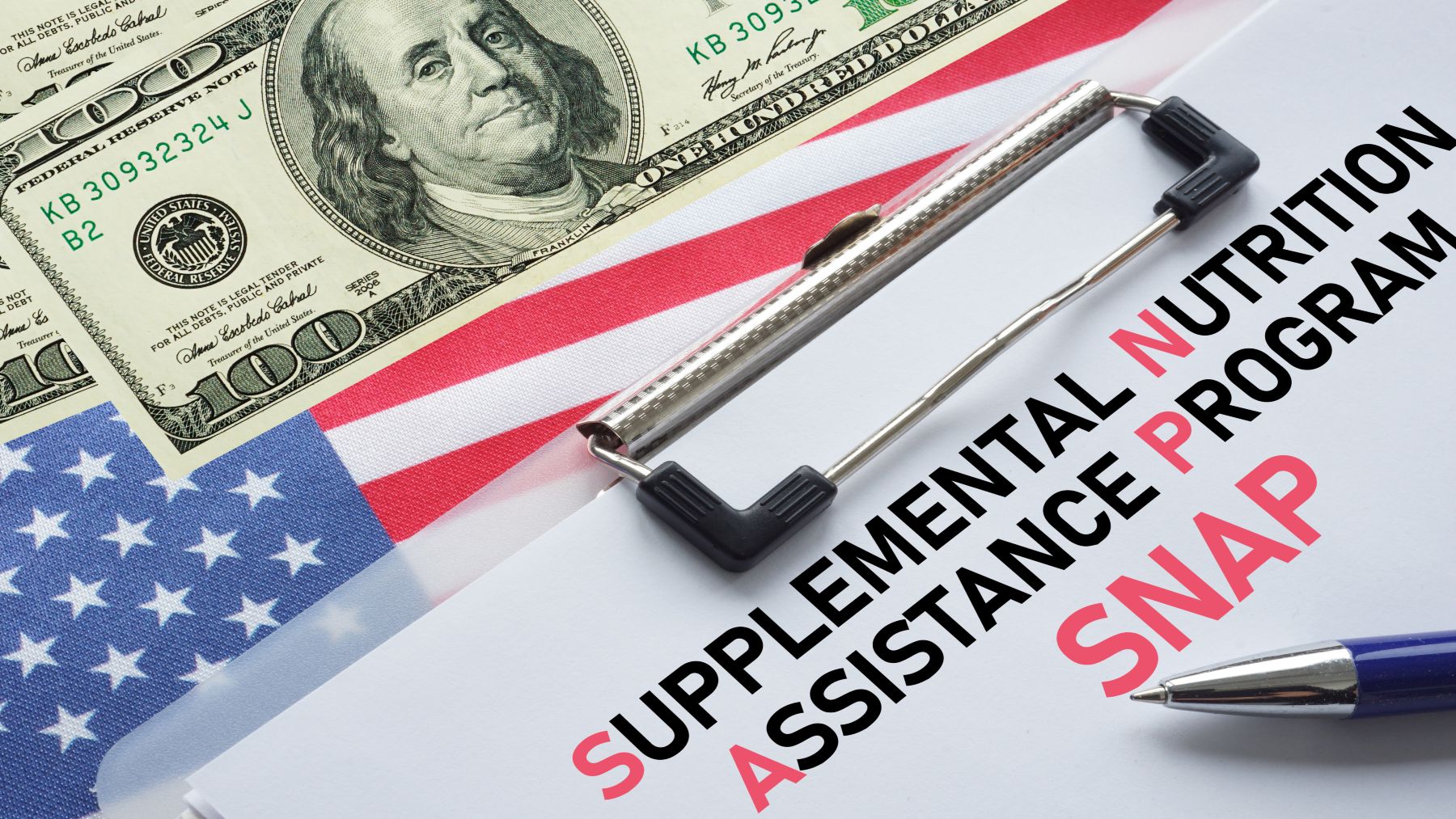
The aid package offered by the United States is divided among states according to their level of need. It might be generally understood that the states with the largest number of citizens may be those that request the most aid, due to percentages, but this is not the case. California and New York are not the states with the largest number of households dependent on social assistance. Through an analysis of Census Bureau data, it is possible to identify which states have the highest proportion of households reporting receiving such benefits. The five states are Puerto Rico, New Mexico, West Virginia, Louisiana, and Oregon.
Social assistance has helped thousands of families across the country move up the social ladder
While this assistance isn’t the only option, it’s certainly very useful for low-income people. According to an analysis by the Social Security Administration (SSA), social assistance has helped thousands of families across the country move up the social ladder. This situation has focused attention on the reliance on programs such as Temporary Assistance for Needy Families (TANF) and the Supplemental Nutrition Assistance Program (SNAP).
Speaking of concrete numbers, we can analyze the percentages of aid that are demanded in the states with the highest rates. Puerto Rico (47%): This territory tops the list with almost half of its households receiving assistance. This reflects the significant economic challenges and high poverty rate that the island has faced for years. Then we have New Mexico (20%): this state has one of the highest poverty rates in the United States. The high percentage of households relying on welfare underscores the economic difficulties in the region.
There are positive and negative impacts like the difficulties in achieving self-sufficiency
Continuing, there is West Virginia (18%), with an economy that has historically relied on the coal industry and has suffered a decline, dependence on welfare is high. Ending, we have Louisiana (17%). The state also faces high poverty rates, which have been exacerbated by natural disasters and the vulnerability of its communities. Finally, Oregon with a 17%. Although it is known for its dynamic economy and technology hubs, it also has a significant percentage of households in need of assistance.
The impact of this type of aid is seen in citizens’ daily lives. While these programs offer immediate relief, other factors limit their effectiveness, such as persistently low wages. Among the positive impacts is poverty reduction. SNAP and TANF programs help families meet basic needs, so their main beneficiaries are children and the elderly. This is in addition to the obvious improvement in living conditions. On the other hand, the negative impacts include the difficulties in achieving self-sufficiency: many families, especially those who do not meet the work requirements, face greater obstacles to accessing employment, increasing their dependence on these programs for subsistence. This is also due to the differences in the amounts contributed by each state.
Wyoming ranks last on the list as the state with the least reliance on welfare programs
Finally, among the five states that request the least state aid, are Kansas (KS), which ranks 48th, with 8% of its households receiving assistance. Then there is New Hampshire (NH). In 49th place, it has 7% of its households on assistance, representing some 39,000 families. In 50th place there is North Dakota, also with 7%, this state has a total of 24,000 households, the lowest of the three. Utah is in 51st place. This one has one of the lowest rates in the country, with only 6% of households on assistance. And with 6% of households receiving assistance and a total of 14,000, Wyoming ranks last on the list, making it the state with the least reliance on welfare programs.
These data give us a glimpse into the reality of the states, the needs of their residents, and a situation that varies and does not depend on the number of citizens in one state or another.