
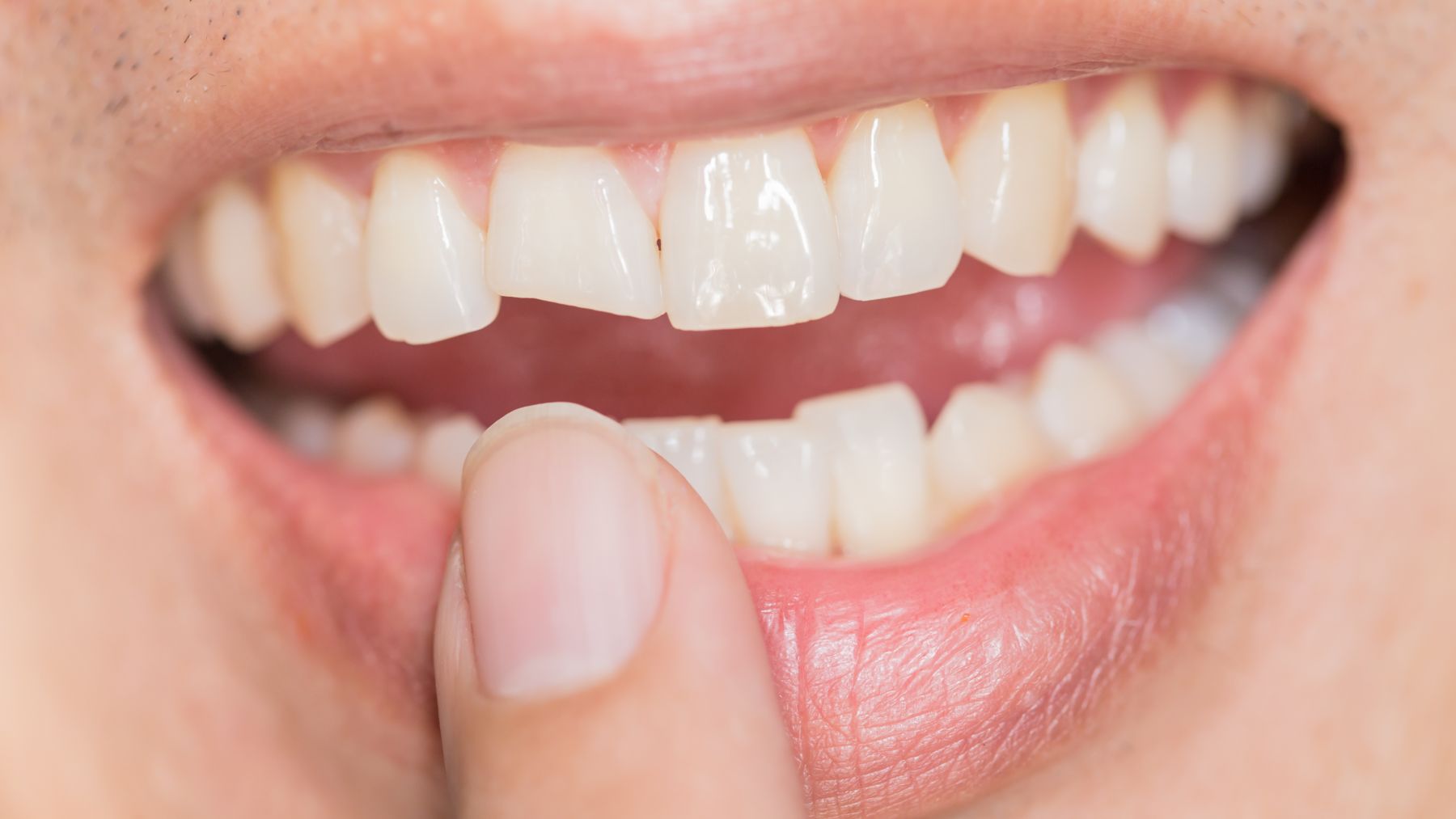
According to recent news, these are the surprising things that might weaken your teeth and cause cavities besides sugar. Candy and soda are well known to cause dental damage, but new research shows that other typical starchy foods may also be dangerous. According to a Cornell University study, for certain people, bread, rice, and potatoes can be equally detrimental. The way these foods impact your dental health can often be greatly influenced by genetic factors. We’ll go over how these foods might cause dental problems here and offer easy ways to maintain the health of your teeth. Even seemingly innocuous starchy meals can have negative effects on your health, as you will discover.
Starchy meals may be damaging your teeth without you even noticing
For many years, dentists advised us to limit our intake of sugar. Research now shows that the carbohydrates found in starchy foods, such as bread, rice, and potatoes, are broken down into simple sugars in your saliva. The more copies of the AMY1 gene you have, the faster this process happens. The enzyme amylase, which breaks down starch in the mouth, is produced in greater quantities by those who possess this genetic characteristic. Following its conversion to sugar, the starch provides food for the bacteria that create the acids that erode your tooth enamel and result in cavities.
Amylase is an enzyme that breaks down starchy foods in your mouth when you chew them. Bacteria such as Streptococcus eagerly consume the spike in sugar levels generated by this conversion, which occurs quickly in persons with a high AMY1 gene count. Other dangerous bacteria, such as Porphyromonas endodontalis, might proliferate, raising the possibility of gum disease and other dental problems. Developing little routines can be beneficial, particularly if your body breaks down starch quickly. To maintain a healthy grin, follow these easy steps:
- After consuming starchy foods, brush your teeth to aid in the removal of the sugars created during digestion.
- To build dental enamel and fight off the acids that bacteria make, use a fluoride rinse.
- To stop bacteria from feeding on leftovers, floss every day to get food particles out from between your teeth.
- Drinking water removes food residue and makes the environment less hospitable to hazardous microorganisms.
- You don’t have to give up bread and rice entirely, but watch how much you eat and make sure your meals are balanced with lots of fresh produce.
- Make time for regular dental examinations to identify early signs of degeneration. Find out if your dentist has any more recommendations.
Long thought to be detrimental to dental health, sugar may also pose a hidden risk, according to new research. Your lips may taste sweeter due to the way your body breaks down starch, especially if you have a lot of amylase. This, in turn, produces an atmosphere that is conducive to the growth of germs, which may lead to gum disease and cavities. Making minor adjustments to your routine might have a big impact. Even if you like a nice bowl of spaghetti or a piece of bread, you still need to brush, rinse, and watch what you eat to keep your smile healthy. Keeping your teeth in top condition can only require a small change to your everyday routine.
The 17% sugar tax will drop to 10% until July
Pablo Luis Azcona, the chairman of the Sugar Regulatory Administration (SRA), declared on Saturday, April 19, that the United States has reduced its proposed 17 percent sugar tariff to 10 percent. He claims that the sugar quota tariff in the US is currently 1.46 cents per pound. The U.S. has postponed its proposed 17% sugar tariff. Instead, it will impose a 10% levy on top of the current 1.46 cents per pound. Keep in mind that the position will be uncertain after the suspension expires on July 9.
Furthermore, the Philippines has allocated 66,235 MT of raw sugar for export to the US under its 143,000-metric-ton quota under the US Sugar Quota in 2024-2025. Following an April 15 conversation with industry stakeholders, the Philippines expects to send half of its sugar allotment in May and the other half in June, with the goal of loading, shipping, and landing it in the United States by July 9.




