
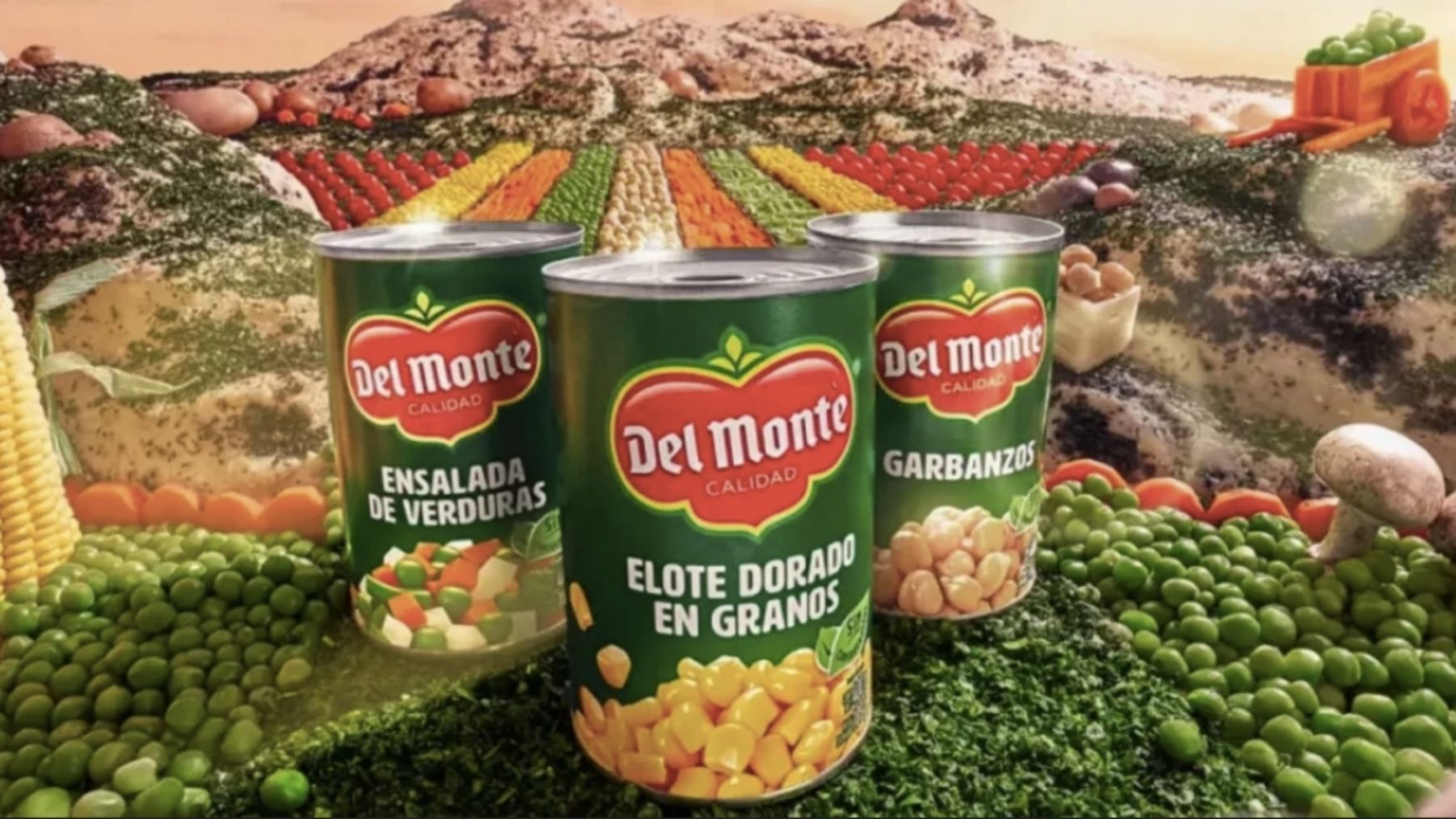
Del Monte Foods files for bankruptcy. Farewell to a pantry legend that files for Chapter 11. Del Monte Foods filed for bankruptcy protection after facing rising borrowing costs, complications during the pandemic, and a dystopian global economy. Chapter 11 is a bankruptcy law that allows companies to reorganize their debts to avoid total bankruptcy with no chance of recovery.
Greg Longstreet: “A Strategic Step Forward”
The iconic US-based brand, owned by Singapore-based Del Monte Pacific, announced plans to sell a majority of its assets as part of an agreement with its major lenders. Greg Longstreet, the company’s chief executive, stated in a statement that this action represents “a strategic step forward,” and that after evaluating all possible options, a court-supervised sale is the most effective path to ensuring a stronger and more sustainable future for Del Monte Foods.
The California company, which faces secured debt of more than $1.2 billion, said it had reached a restructuring agreement with lenders. The company, which also produces College Inn broths, Contadina tomato sauces, and Joyba bubble tea, said it had secured $165 million to help continue operations during the Chapter 11 bankruptcy process.
Del Monte was left with too much inventory and was forced to store it
One of the key moments for the canned goods giant’s resurgence was 2020. The pandemic didn’t go unnoticed by any sector. Either by seizing the moment and increasing the value of their products or by doing the opposite, as is the case with Del Monte Foods. During the pandemic, when more people were eating at home, demand rose to historic highs, Del Monte said in the statement. The company pledged to increase production levels. Once demand began to subside, Del Monte was left with too much inventory, which it was forced to store, write off, and “sell at a substantial loss.”
Consumers prefer healthier options and are moving away from preservatives
S&P Global analysts lowered Del Monte’s credit rating from B to B- last year due to poor operating results. The pressures were compounded by increasingly price-conscious consumers, who are choosing store brands, whether private label or brand, instead of brands like Del Monte. As Sarah Foss, legal and restructuring director at Debtwire, explained to the Daily Mail, demand for canned foods has declined dramatically in favor of healthier, more natural options. Foss also noted that Del Monte is the fourth company in the food and beverage sector to file for Chapter 11 bankruptcy this year.
The ultimate goal of any food company is the consumer. It’s no secret that concerns have changed, and today many people prefer to opt for more natural foods, without too many additives and, if possible, zero-mile products. For obvious reasons, this isn’t feasible in many cases, either due to the origin of the food or the price. Therefore, being able to adapt to the environment and the natural change of the cycle is essential.
“We remain committed to our mission of expanding access to nutritious”
Del Monte Foods assures that it will continue to operate normally during the sale process and that its international operations outside the United States are not included in this bankruptcy filing. “We remain committed to our mission of expanding access to nutritious, great-tasting foods for all,” Longstreet said.




