
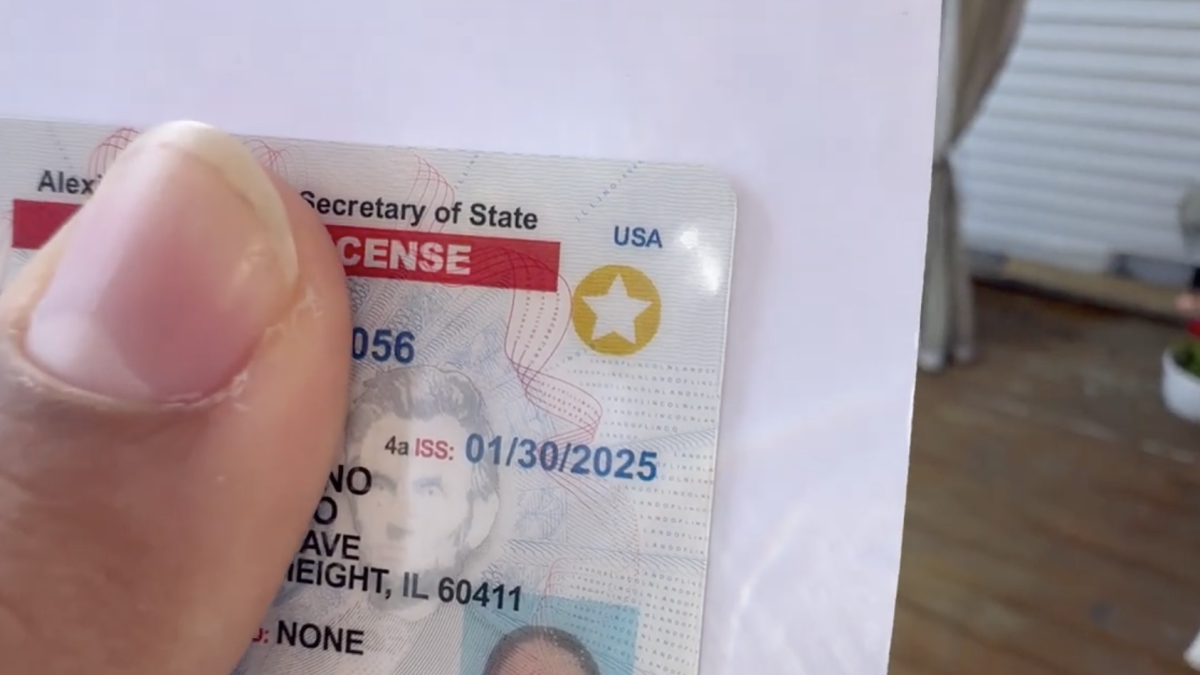
Beginning May 7, 2025, citizens living in the United States will be required to display a Real ID-compliant driver’s license or identification card when boarding a commercial flight, entering federal facilities, or military sites. This proposal is in response to the Real ID Act, which was passed by the United States Congress, and intends to create secure ID cards that are harder to counterfeit or manipulate. Anyone over the age of 18 can receive an ID from any Department of Motor Vehicles (DMV).
How can Americans get their Real ID completely free?
The procedure has already begun in California, and a set of people can obtain the Real ID for free. Citizens who fulfill the income eligibility standards for government or nonprofit programs can apply for a free ID card, according to the DMV. To do so, you must submit the Zero Fee ID Card Verification Form (DL 937) to an agency office. Furthermore, under the McKinney-Vento Act, people who are classified as “homeless” are eligible for a free Real ID. This includes minors who are homeless or have fled domestic violence. Moreover, Americans need to remember that they should get their Real ID as soon as possible, as new deadlines are approaching, so they can travel without issues.
Due to the rapidly approaching deadline for obtaining a Real ID, individuals without one may not be permitted to board aircraft within the United States. Issued by a state driver’s licensing office and designated with a star, the Real ID card is an optional, improved driver’s license or state identification card. U.S. tourists can still use alternative forms of identification, such as a valid U.S. passport, passport card, permanent residence card, or Department of Homeland Security trusted traveler cards, if they cannot obtain a Real ID before May 7. According to Transportation Security Administration data as of Thursday, over 19% of travelers do not currently possess a form of identification that complies with Real ID.
Travelers who arrive at the airport without a legitimate form of identification are cautioned by the TSA that they can face delays, further screening, or possibly expulsion from the security checkpoint. Due to probable delays in airport security lines once enforcement begins, Breyault advised travelers, including those with a Real ID card or other approved form of identification, must arrive at the airport at least one and a half hours before their flight’s planned departure time.
What is the Real ID law?
In 2005, Congress enacted the Real ID Act. Minimum security requirements for state-issued ID cards and driver’s licenses are established by legislation. Beginning May 7, Americans will be required to show a Real ID to enter federal facilities. Even for domestic flights, this covers passengers who board commercial aircraft and pass through TSA airport security checks. All travelers who are 18 years of age or older, even those who are TSA PreCheck members, are subject to the restriction. If travelers have alternative forms of authorized identification, they can avoid having to show a real ID card.
A passport or passport card, a Global Entry card, an enhanced driver’s license from Washington state, Michigan, Minnesota, New York, or Vermont, or a permanent residency card, sometimes referred to as a “green card,” are the most prevalent among them, according to experts. The TSA has listed all permissible substitutes as follows:
- State-issued upgraded driver’s license.
- U.S. passport
- US passport card
- Global Entry, NEXUS, SENTRI, and FAST are trusted traveler cards issued by the Department of Homeland Security.
- IDs from the US Department of Defense, including those given to dependents
- Permanent Resident Card
- Border-crossing card
- A legitimate photo ID, such as an Enhanced Tribal Card (ETC), issued by an Indian Tribe or Tribal Nation recognized by the federal government.
- HSPD 12 PIV card
- Foreign government-issued passport.
- Ontario driver’s license or a card issued by Indian and Northern Affairs Canada.
- Transportation workers’ identification credentials
- Employment Authorization Card (I-766) issued by the US Citizenship and Immigration Services
U.S. Veteran Health Identification Card (VHIC) and Merchant Mariner Credential




