Texas vehicle inspection stickers have been on our cars for as long as most Texans can remember. Many of us can still recall the times when our license plates were covered in those stickers. We then proceeded to place two stickers—one for registration and one for inspection—inside our windshields. Texas switched to a single-sticker system in 2013, meaning that passing your vehicle inspection was a prerequisite for updating your registration.
These are the new vehicle inspection requirements that Texas residents should be aware of
Texas will stop requiring non-commercial automobiles to get an annual safety check in January 2025. Starting next year, you won’t be required to undergo an annual vehicle inspection or test unless you reside in one of Texas’ 17 most populous counties. For the majority of Texans, the physical inspection procedure will no longer be required, but drivers will still be required to pay the inspection fee. The Texas Vehicle Inspection Program was created to make sure automobiles fulfilled the bare minimum of safety and emissions requirements. Most Texans will no longer be required to undergo safety inspections starting in 2025; however, residents in certain counties will still need to pass an emissions-only test.
To obtain a Texas Inspection Sticker till 2025, find an approved station, present the relevant documents (vehicle registration, insurance evidence, and inspection fee payment), have the vehicle inspected, and receive the sticker. Moreover, according to recent information, these are the counties that will still need to require an emission test:
- Dallas-Fort Worth Area: Collin, Johnson, Kaufman, Dallas, Denton, Tarrant Counties, Ellis, Parker, and Rockwall
- Houston-Galveston-Brazoria Area: Galveston, Brazoria, Fort Bend, Montgomery Counties, Harris
- Austin Area: Travis and Williamson Counties
- El Paso Area: El Paso County
- San Antonio Area: Bexar County (on November 1, 2026)
What are the requirements and emission tests to consider?
Texas frequently conducts the following kinds of emissions tests:
On-Board Diagnostics (OBD) Test
- Applicability: vehicles from 1996 and later.
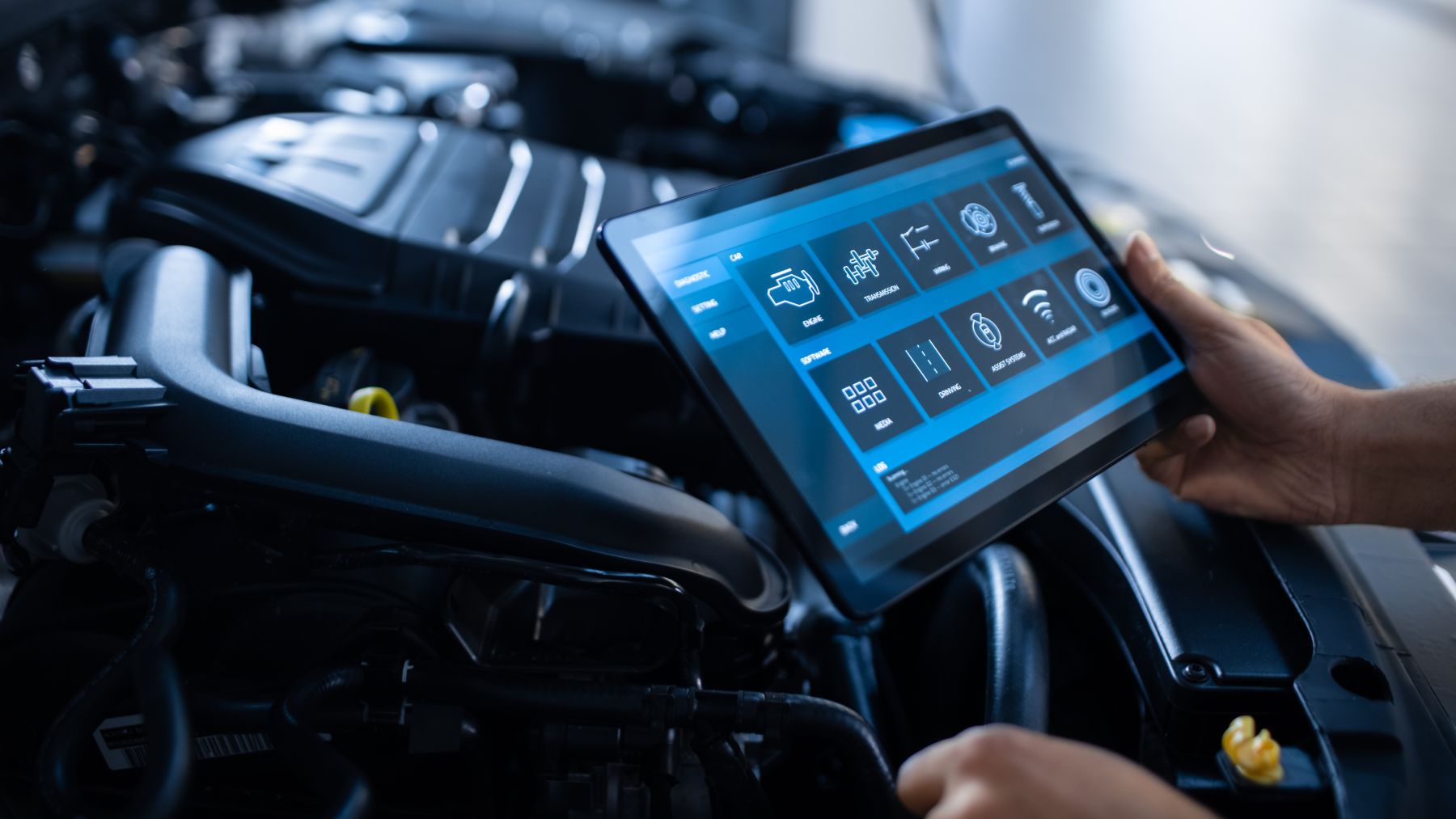
- Process: An OBD scanner is attached to the car to look for fault codes that point to emissions-related problems. The engine, transmission, and other crucial parts that influence emissions can all be rapidly identified with this test.
Accelerated Simulation Mode (ASM) Test
- Applicability: For models 1995 and older.
- Process: This test uses a dynamometer, which is a set of rollers, to replicate driving circumstances to measure the vehicle’s emissions production while it is “driving” at different loads and speeds. It measures contaminants like nitrogen oxides, hydrocarbons, and carbon monoxide.
Two-Speed Idle (TSI) Test
- Applicability: For older automobiles or those that are not amenable to OBD or ASM testing.
- Process: The vehicle’s emissions output is measured both at idle and at a greater idle speed. Although this test is not as thorough, it is still useful for identifying serious emissions problems.
These are the new emission testing process for your vehicle inspection
- Pre-Inspection Check: The inspector will confirm that the check engine light is off on the car. The car won’t pass the emissions test if it does. The Vehicle Identification Number (VIN) and other basic vehicle data are recorded.
- Connecting the Equipment: The OBD port, which is often found beneath the dashboard, is where the scanner is connected for OBD tests. The car is either tested at idle or on the dynamometer for ASM or TSI tests.
- Running the Test: The vehicle inspection parameters are used to determine which test is appropriate. Data is read from the car’s computer for OBD. To test emissions for ASM, the car is “driven” on the dynamometer. Individual emissions are monitored for TSI.
- Results and Analysis: The test results, which indicate whether the vehicle passed or failed, are printed out. The printout will give diagnostic trouble codes and potential causes of failure if the vehicle malfunctions.