
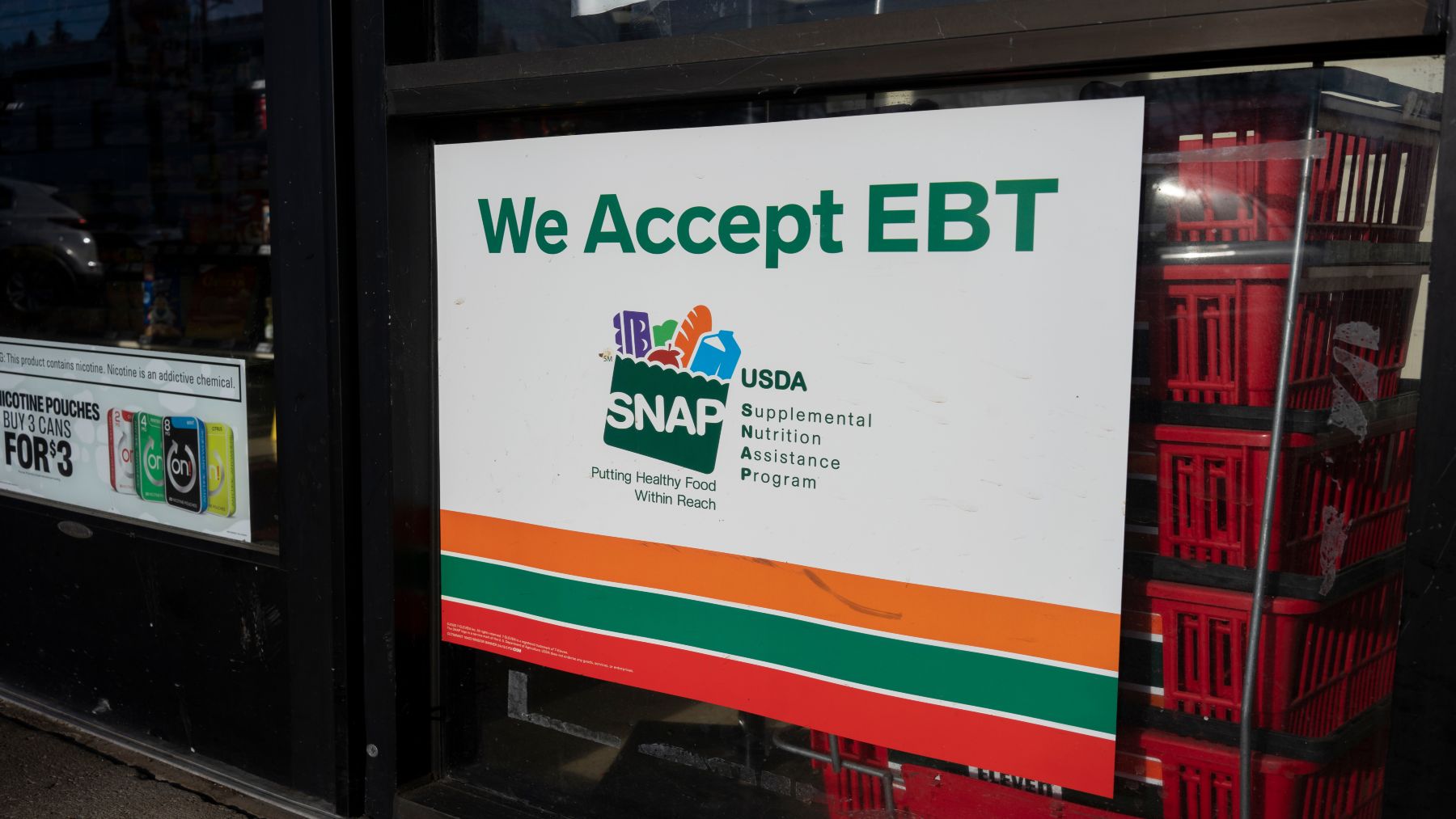
Millions of Americans need financial assistance to access food at the supermarket. That’s why they use SNAP, the Supplemental Nutrition Assistance Program, which provides monthly cash to low-income households, seniors, families with children, and people with disabilities. Under the Trump administration, this assistance will be cut, primarily in ten states.
The goal is to reduce more than $1 trillion in social programs, including SNAP and Medicaid
Senate Republicans are currently proposing $211 billion in cuts, with states partly responsible for making up the difference. The goal is to reduce more than $1 trillion in social programs, including SNAP and Medicaid. According to estimates by the Congressional Budget Office (CBO), SNAP could face cuts of up to 20%.
In West Virginia, one of the states with the highest poverty rates, 16% of the population relies on this benefit. In this predominantly Republican state, the idea is for all people between 18 and 59 years of age who access SNAP to enroll in training or employment programs. Furthermore, as in other states, one of the main objectives is to prohibit the purchase of unhealthy foods.
Banning SNAP recipients from using this assistance to buy soda, candy, and other non-nutritious foods
This last point is a major topic being discussed in the halls of Capitol Hill. In fact, Florida, West Virginia, Oklahoma, Texas, Louisiana, and Colorado will join states like Arkansas, Idaho, and Utah in banning SNAP recipients from using this assistance to buy soda, candy, and other non-nutritious foods. And let’s not forget that obesity levels in the country are only increasing.
Nearly 40% of adults in the United States are obese and the rise in obesity rates is alarming
Specifically, according to the latest data, nearly 40% of adults in the United States and 18.5% of children are obese, and the rise in obesity rates is alarming. In fact, in less than two decades, the obesity rate among adults has increased by 30%, while among children, it has increased by 33%. The full list of states that will see the cuts are Idaho, Indiana, Iowa, Montana, Tennessee, Texas, Utah, West Virginia, Nebraska, and Kentucky.
Obesity in the United States is an epidemic with serious consequences
According to the report “The State of Obesity: Better Policies for a Healthier America,” published by Trust for America’s Health (TFAH) and the Robert Wood Johnson Foundation, obesity in the United States is an epidemic with serious consequences. These include an increased risk of heart disease, diabetes, and hypertension. The report is based on data from the National Health and Nutrition Examination Survey (NHANES) and the Behavioral Risk Factors Surveillance Survey (BRFSS).
SNAP restrictions are part of a broader effort between the USDA and the Department of Health to improve nutrition
These figures are alarming, especially considering that, as Agriculture Secretary Brooke Rollins has explained, sugary drinks are currently the primary purchase made by SNAP recipients. According to their arguments, SNAP restrictions are part of a broader effort between the USDA and the Department of Health and Human Services to improve nutrition.
Although, according to critics, these measures don’t address the real causes of hunger and food insecurity. Focusing on banning certain products could divert attention from the real problems faced by these people who can’t afford a decent grocery shopping spree. There are structural flaws that are leading millions of families to turn to this type of assistance. Trump, for his part, has asserted that “the cuts are going to give everyone a lot more food, because prices are going down a lot, groceries are going down.”
What is clear is that these cuts worry the population that benefits from aid, and they don’t understand why real food prices continue to remain unchanged.




