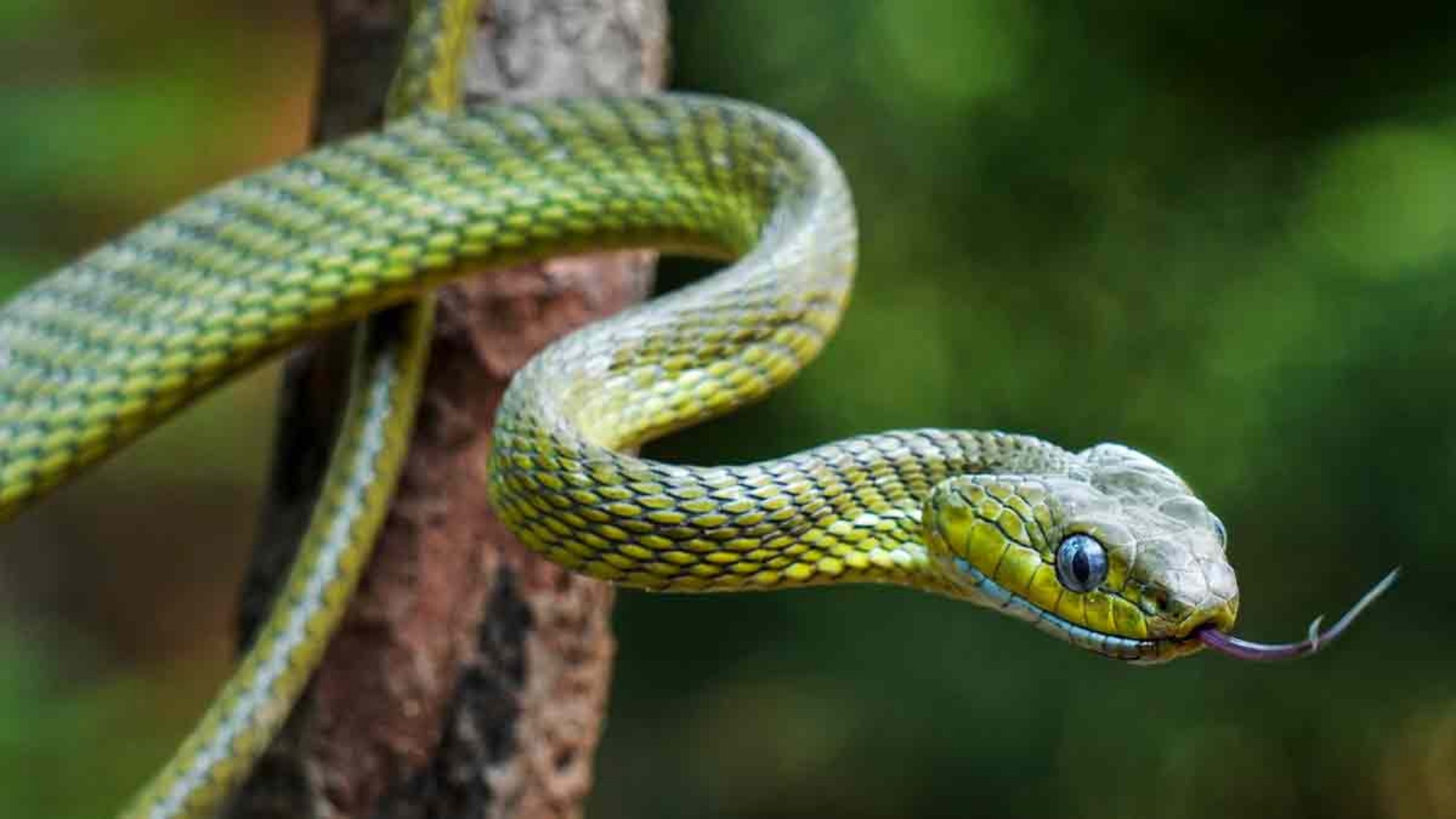
The olive tree is a symbol of Spain, and olive groves are widespread throughout the Mediterranean. Due to this unique ecosystem, snakes inhabit these trees. The viper and the water snake are the most common species of snakes found in olive groves, but there are also many other reptiles to consider. However, it is also important to note that they can also inhabit our own gardens and even workplaces in the countryside. Herpetology professionals explain that olive groves are the perfect habitat for these animals. Read on to find out more.
Snakes spotted in olive trees
Spain is one of the main producers of olives and olive oil. So it known, that all across the Iberian peninsula you’ll see olive groves or find olive trees in people’s houses and gardens.
Nevertheless, a interesting—and for many, unsettling—pattern is growing across the Spanish countryside reports Huffington Post: more snakes are being spotted slithering around olive trees. And we’re not just about large groves. Even each one potted trees on patios are turning into prime real estate for these cold-blooded visitors.
The secret microhabitat hidden in olive groves
According to experts, it’s all about the ecosystem olive trees create. All along with their gnarled trunks, thick root systems, and dense leafy canopies, olive trees present the ideal shelter for snakes such as grass snakes and adders. Their twisted shapes provide cool, shaded spots in the heat of the day.
However, it’s not just the tree itself. The common olive grove comes with its proper natural perks: dry stone walls, rocky terraces, and sun-soaked limestone soil. These characteristics soak up warmth all day and release it slowly at night, creating a toasty after-hours haven for snakes.
An all-you-can-eat buffet for cold-blooded predators
Temperature and shelter aside, there’s another reason snakes adore olive groves: food. These groves are repleted with critters that snakes love to hunt—mice, moles, lizards, and even small birds. It’s a ready-made meal for reptiles. And by the time prey is plentiful, predators follow.
Luckily, most of the snakes you’ll find in these areas aren’t dangerous to humans. Still, that doesn’t mean everyone is thrilled to see one curled up near their backyard tree.
Other plants and trees that attract snakes
The problem is not just a Mediterranean or Spanish issue, but haooens elsewhere as well. Normally snakes try to not be around people, but as humans encroach more and more into their ecosystems the oportunities of encountering them increase.
Many areas all along the United States are home to many species of snakes and olive trees aren’t just the only tree that present ideal shelter for these slithering reptiles. Cedar, cypress, juniper and oak also offer attractive abodes for snakes.
Want fewer snakes? Here’s what you can do
If you’re one of the many homeowners or gardeners concerned about snakes near your plants and trees, experts say there are simple steps you can take—without disrupting the ecosystem.
- Clear clutter: Remove piles of stones, wood, or debris where snakes might hide.
- Keep it clean: Mow grass, prune dense foliage, and avoid overwatering—snakes like cool, damp spots.
- Control rodent populations: Fewer mice and moles means fewer snake snacks—and less reason for snakes to stick around.
By maintaining a tidy space around your plants and trees, you can still enjoy its beauty and benefits without turning your yard into a reptile resort.
Remember to also keep these tips in mind
To prevent any type of incident, it is advisable to take certain precautions when working in or around an olive grove:
- Do not reach in blindly: Avoid putting your hands between rocks or under tree trunks, where snakes may be hiding.
- Wear closed-toe shoes: When working in the field or harvesting, it is important to wear closed-toe boots that protect your feet.
- Leave snakes alone: Snakes play a fundamental ecological role in controlling rodent populations, so they should be respected. In addition, killing or disturbing them can result in legal penalties.