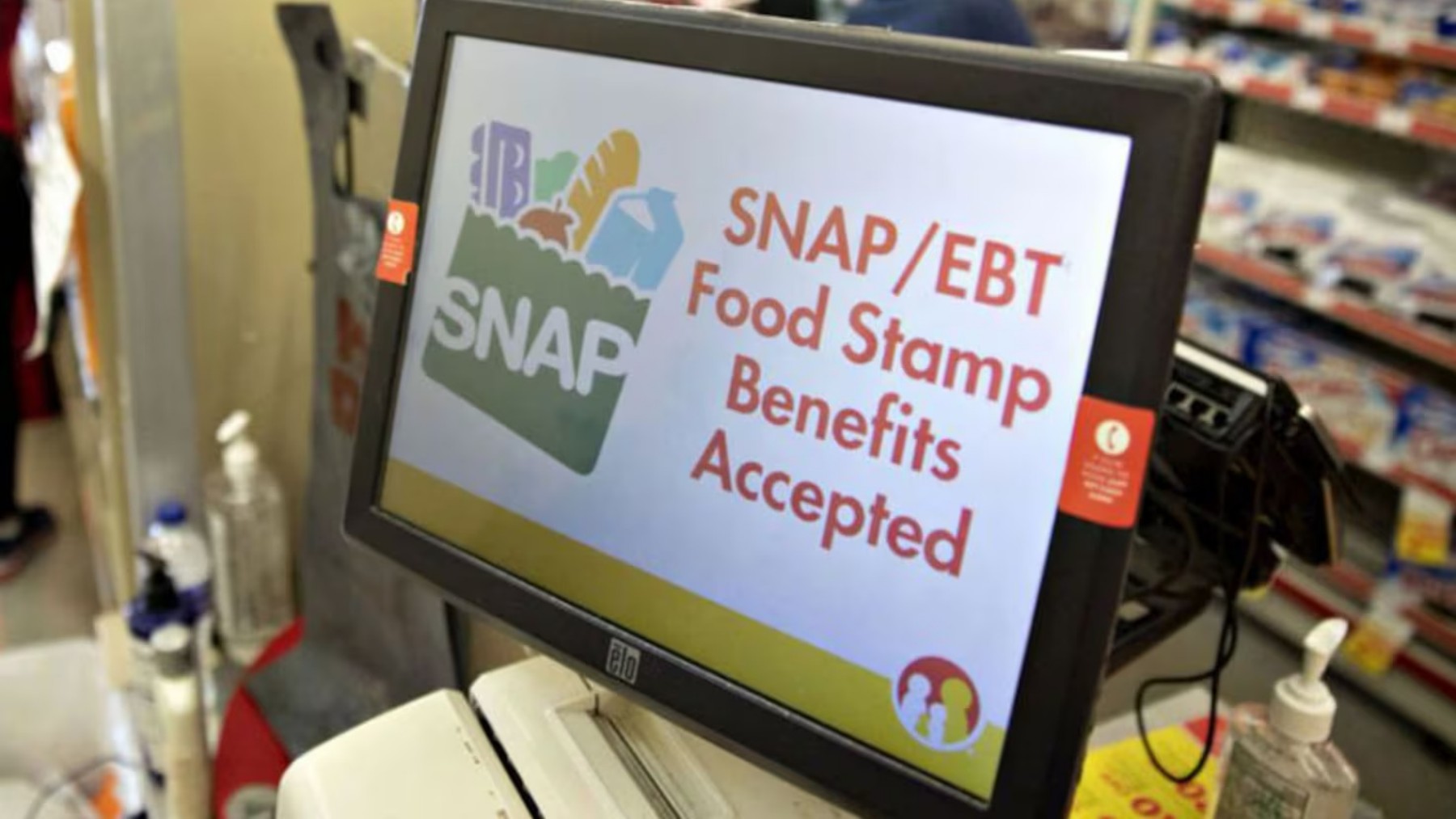
The United States, like other countries, has a food assistance program for low-income families called SNAP (Supplemental Nutrition Assistance Program). Through this programe, beneficiaries are given food vouchers which can be redeemed for food and drink at selected establishments free of charge. However, there have been changes in the benefits of these vouchers, excluding products such as energy drinks or soft drinks, with the aim of promoting the consumption of healthier foods. This has raised many criticisms on the part of consumers, who claim that they see increasingly reduced the list of products to incorporate into their diet. Are energetic and carbonated drinks really essential for a balanced diet? I don’t think so.
Supplemental Nutrition Assistance Program
The implementation of the Supplemental Nutrition Assistance Program was launched in the 1930s with the aim of creating a more productive society, but it was not until 1971 that it became a federal programe. In 2008 received its current name and several states were implementing it under their own rules. Its main objective is to help low-income families to have access to a healthy diet, thus ensuring full coverage of their needs.
How does it work?
The operation of the programe is simple; families must apply for it at any office of state agencies. After checking eligibility, the family will receive assistance in the form of coupons which are paid into an Electronic Transfer of Benefits (ETB) card, which with a functioning like that of a credit card to use, will allow you to make a purchase at zero cost.
What can I buy with an ETB card?
The products available to be purchased through this programe and the use of an ETB card are a list of those that are essential, basic necessities and which provide nutritional value and balance to the diet of the beneficiaries. Products such as fruit and vegetables, cereals, poultry, meat and fish, breads, canned goods, grains, dairy products, seeds and plants. The latter allow families to set up their own garden from which they can self-supply, and thus extend the aid beyond a coupon.
Restrictions
Although this programe includes a wide variety of food and household products, there are others not on the list such as tobacco, alcohol, supplements, vitamins, live animals, hot food and other non-food products. Why do you think that is so? Well, as it is common sense, there are products that are not basic necessities and much less are part of a balanced diet. The authorities aim to facilitate access to healthy food, far from promoting alcohol and tobacco consumption, and to make responsible use of the card.
What happened in Nebraska?
Pros and cons of SNAP
Other states such as Kansas, Iowa, Arkansas, West Virginia, Colorado and Indiana would be interested in joining the initiative, having requested an extension from the US Department of Agriculture, Proposing also to eliminate low-calorie juices and flavored popcorn and add hot food like roast chicken. However, these changes have been central as the beneficiaries remain on a shorter and less flexible list. On the other hand, the programe has to work on aspects such as cultural dietary needs and intolerances. While these aspects are being addressed, authorities want to focus on efficient and correct use of the plan, encouraging families to choose a healthier diet.
Learn about the Texas food-stamp dates!