
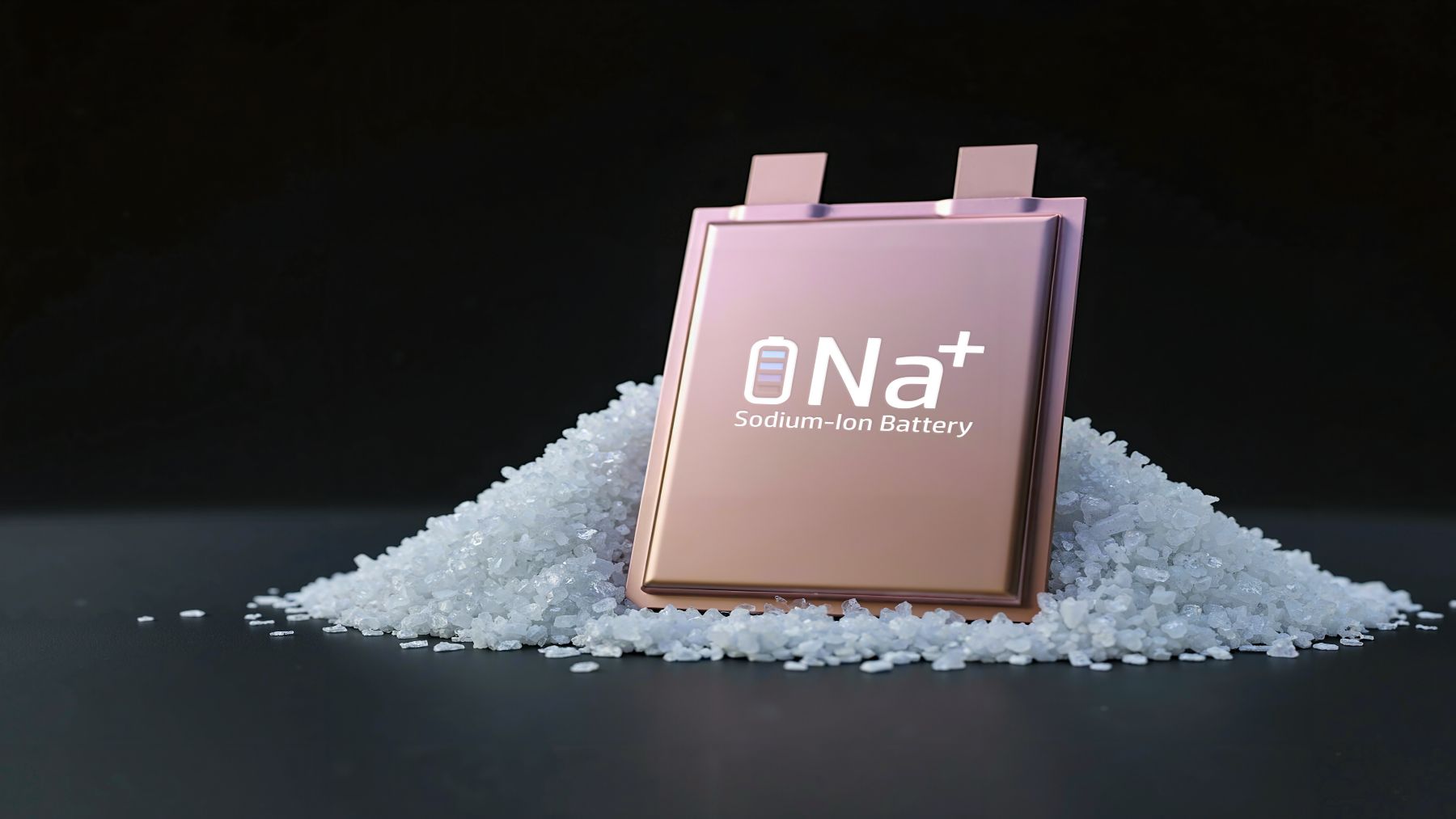
If we talk about sodium, lithium, or sulfur batteries, the reader may not know what we’re talking about. But if we say that lithium batteries power electronic devices, renewable energy, portable technology, mobility, electric cars, laptops, tablets, smartwatches, etc., it sounds more familiar. The fact is that, despite lithium’s long lifespan and its advantages, there are some disadvantages to consider. Among these is the fact that they face a growing number of challenges, including resource limitations, environmental impacts, and safety issues. Hence, the proposal to replace them with sodium-sulfur batteries capable of being charged and discharged more than 2,000 times is being made.
Lithium is scarce, geographically concentrated, and accompanied by toxic metals
All of the aforementioned electronic devices require functional batteries that, on the one hand, provide sufficient power and don’t take long to charge, and on the other, are also environmentally friendly. The main batteries that dominate the market, however, use a component, lithium, that is scarce, geographically concentrated, and accompanied by toxic metals. Hence the need to find alternatives that can help extend the lifespan of electronic devices while respecting the environment.
Among the alternatives currently available to the scientific world are sodium-ion batteries, which are more abundant and cheaper than lithium batteries. Recent improvements have optimized their performance, and applications are being developed to store energy better. There are also lithium-sulfur batteries, which have a higher energy density than standard lithium-ion batteries, although this is due to the fact that sulfur is the cathode material and this technology is cheap and abundant. However, there are problems such as short lifespan and lack of conductivity, which must be resolved before commercialization.
Toyota has been developing long-lasting cathode materials to enable mass production by 2028
Continuing with alternatives, according to experts, there are also multivalent batteries, which use multiple elements to store more energy in a single unit, such as magnesium, calcium, aluminum, or zinc. According to recent research, recently discovered porous materials represent a sustainable, high-capacity alternative. On the other hand, flow batteries are based on the use of liquid electrolytes that must be stored in external tanks to, in turn, store energy. Currently, flow batteries have lower energy densities, but research is underway to increase their efficiency and reduce their costs.
Finally, there are solid-state batteries, which use solid electrolytes instead of liquid ones, increasing safety and energy density. In fact, Toyota, in collaboration with Sumitomo Metal Mining, has been developing long-lasting cathode materials to enable mass production by 2028, something that will be revolutionary for electric cars. In any case, as mentioned above, research by the Inorganic Chemistry group at the University of Córdoba, the basis of researcher Álvaro Bonilla’s doctoral thesis, has developed a sodium-sulfur battery.
“It’s estimated that a lithium battery used in phones or cars is charged every three days, which is more than 120 charges per year”
This development means the team has managed to develop a battery that, based on this estimate, could operate for more than 15 years with sustainable and abundant elements. The scientists have replaced all the toxic metals on the battery’s positive electrode with sulfur, an abundant, low-cost, and environmentally sustainable material, as explained above. Furthermore, it has the capacity to provide twice as much energy as other metals. “It’s estimated that a lithium battery used in phones or cars is charged every three days, which is more than 120 charges per year,” says Álvaro Caballero, one of the scientists. On the other side of the battery, on the negative electrode, they have replaced the lithium with sodium, a more abundant and accessible resource with energy similar to that of lithium. These are, therefore, advances that help extend the battery life of devices used daily by average citizens, while respecting the environment.




