Nowadays it is very important to be able to save something for our pockets and also to have a good quality in our purchase. Among the strategies that this supermarket has, the fact of not having cashiers puts it in the first place. Below we will give you all the information on why Aldi has to be your reference supermarket for saving money.
Low prices without sacrificing quality: Aldi’s key to success
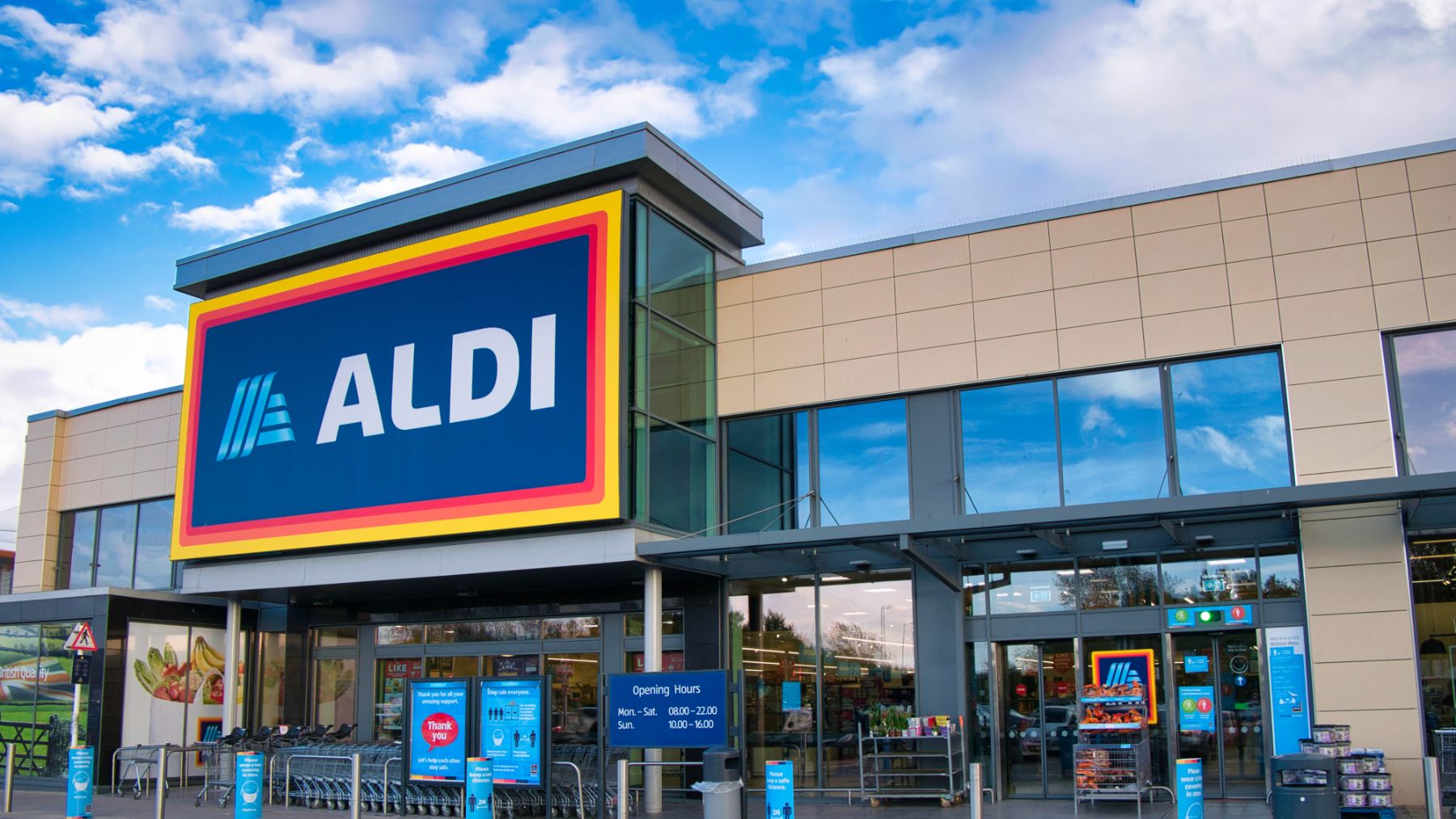
With more than 2,400 shops nationwide, especially in Florida, Aldi has managed to offer low prices without sacrificing the quality of its products. Over the years, this German chain has earned the loyalty of consumers looking to save on their groceries.
Keeping prices low as a result of these changes in your business
How does Aldi manage to keep prices low? First, there are no cashiers to bag purchases and no employees collecting carts in the car park.
To use a cart, customers must “rent” it for a quarter, which is returned when the cart is returned, and shoppers must either bring their own bags or pay a small fee for paper or reusable bags: 12 cents for a paper bag and 69 cents for a reusable bag.
Aldi has also reduced its product offerings compared to traditional supermarkets. Instead of displaying the products on flashy shelves, the items are presented in the same packaging in which they arrive at the shop.
It’s all about eliminating costs that are not really necessary
This strategy eliminates additional costs, such as advertising for well-known brands, that you won’t find in Aldi’s aisles.
Instead of brands like Kellogg’s, the shop offers cheaper options of similar quality. In the case of meat, Aldi buys from trusted local farms and repackages its products under its own Kirkwood brand.
Other reasons for its success
Aldi’s strategies, which include eliminating meat and deli counters to reduce operating costs, keep prices low, resulting in significant savings for consumers. In short, if you’re looking to save on your grocery shopping, Aldi remains one of the best options in the US.
The chain’s chief executive, Jason Hart, said in a statement that the company will keep prices low even in the midst of record inflation as a promise to its customers.
Knowing the future situation to do your shopping is the currently main subject
Filling the pantry is getting more expensive for low- and moderate-income families. Food prices jumped nearly 9% in March from the same month in 2021, according to the Bureau of Labor Statistics, marking the largest annual increase in food inflation in 40 years.
And there will be no immediate relief. Economists expect the food inflation forecast for 2022 to continue to trend higher. According to the Bureau of Labor Statistics, the largest increase, 2%, was in the basic food basket, which includes frozen prepared foods, baby food, snacks, spices and butter. Fruits and vegetables rose by 1.5 % month-on-month after a 2.3 % increase in February, and cereals and bakery products also increased by 1.5 % in March.
However, even as prices rise, it is still possible to find savings at supermarkets like Aldi, a German chain with more than 2,000 branches in 38 states, and set to open 150 more this year. It is on track to become the third-largest grocery shop in the United States by number of shops by the end of 2022.
The biggest concern for business
Much of the concern about how retailing will fare this year has focused on the businesses most exposed to low-income consumers, because they spend a larger share of their income on food and fuel and will therefore be more affected by rising prices, the report says.
A great strength of these discounters is their ability to tailor offers to their local markets. For example, they have introduced more fresh produce and elegant but reasonably priced wines to appeal to the cash-strapped middle classes.