
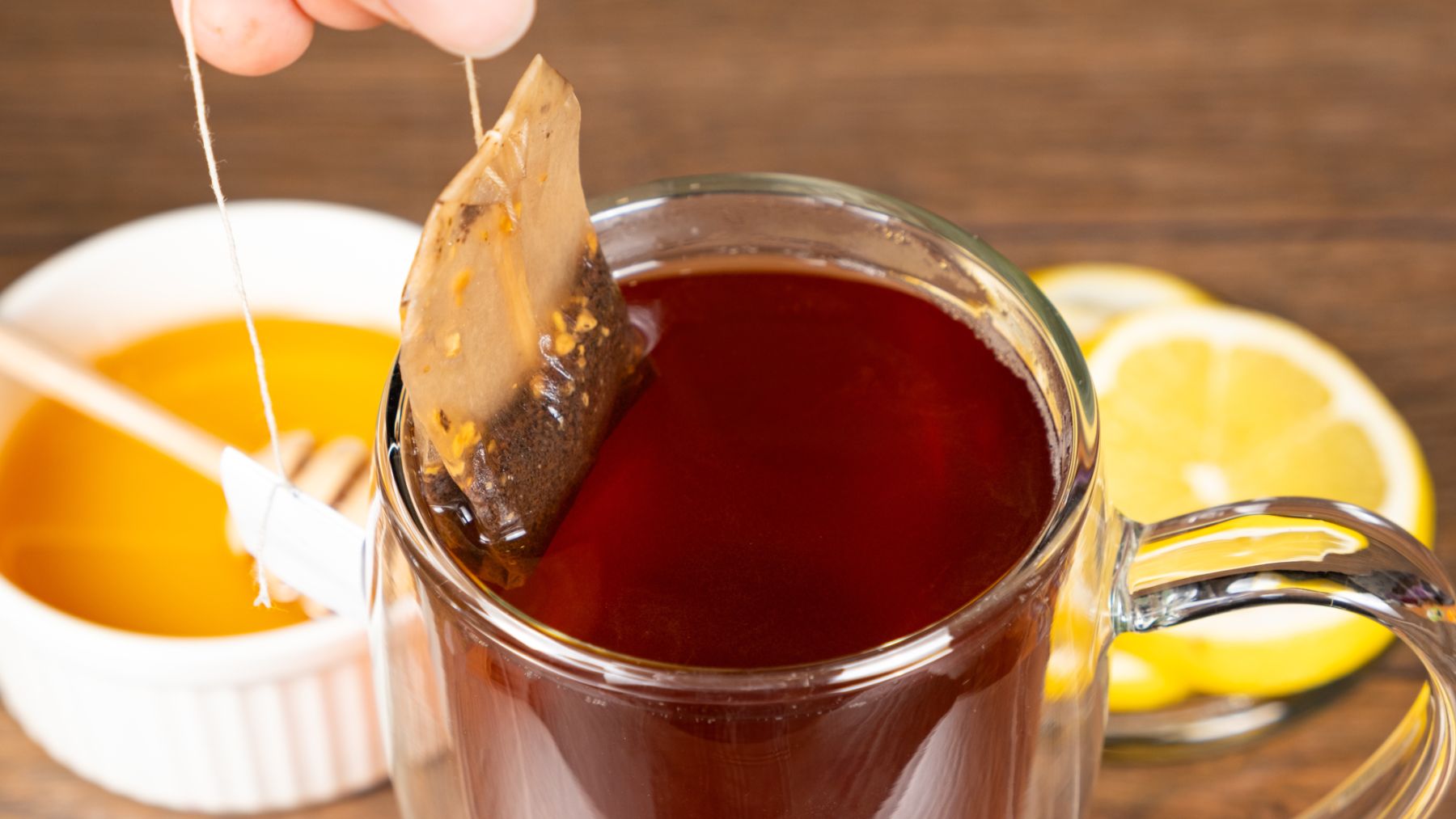
If the United Kingdom and Ireland are known for anything, it is their long-standing love of tea. In fact, it has been so popular since the time of Catherine of Braganza, wife of Charles II of England, who made it popular back in the 17th century. As the British Empire grew, India and Ceylon (Sri Lanka) were countries where tea plantations were promoted, and as a result, tea became part of many English people’s lives. As a result of this daily habit, the well-known tea break was born. Currently, Turkey is the country that drinks the most tea. In fact, the most popular teas are Turkish tea (çay), which is typical of the Rize region. Keep reading to learn more about this delicious drink.
The iconic “cup of tea”
The old ‘cup of tea’ is an iconic staple in the UK and Ireland and has been a social ritual which and an intrinsic part of national personality.
Tea was introduced in the UK and Ireland in the mid-17th century and its popularity in the aristocracy was stablished by Catherine of Braganza, the Portuguese wife of King Charles II, who made it fashionable at the English court. This high-society tendency filtered down through the classes as a marker of sophistication.
At later time, the British Empire established huge tea plantations in colonies such as India and Ceylon (Sri Lanka). This made sure a cheap and ready supply of tea, making it more popular, convenient and affordable than coffee or chocolate, which had also been popular.
Social element: the symbolism behind a cup of tea
Tea was associated with domestic rituals and gentility, in specific for women who did not usual the male-dominated coffee houses. The tea-table develop into an important point for social interaction in the home.
For the working classes, tea provided a warm, stimulating, and usually sweet and milky beverage that was a comforting escape during long factory shifts. Employers even provided tea as a benefit, establishing the notion of the “tea break” as a vital, restorative pause.
Offering a cup of tea is a ubiquitous action of hospitality, comfort, and a response to any situation, good or bad. It’s the default social offering, serving as a quick pick-me-up, a consoling presence in a crisis, or an informal way to beging a conversation.
Turkey lead the way
Spite of the UK/Ireland normally are associated with tea drinking, it is, in fact, Turkey that leads as the country that consumes the most tea per capita. Turkish tea however is usually black tea, known as çay, grown in the Rize region on the Black Sea coast and boasts a strong and robust flavor, but not bitter when brewed in the proper way.
It must be said that Turkish tea is served in small tulip-shaped glasses with no milk and might be accompanied by sugar cubes. Tea drinking is also a deeply ingrained part of daily life and hospitality and is usually offered to guests, in shops, at social gatherings, and even during business meetings with tea houses (çay bahçesi) are common social hubs in Turkey.
Is tea declining in popularity in the UK?
The tea break decline has been blamed on increasing workloads (60 per cent), changes in workplace culture (49 per cent) and the rise in hybrid working (37 per cent). But 45 per cent of people want to bring it back, as they say the time spent waiting for the kettle to boil helped them combat stress and build friendships with team-mates.
It comes after 45 per cent of workers admitted they have fewer friends at work than they did five years ago.
Six in ten expressed a desire to connect more with colleagues, with 59 per cent believing their professional life would be more enjoyable if they knew their co-workers better.




