
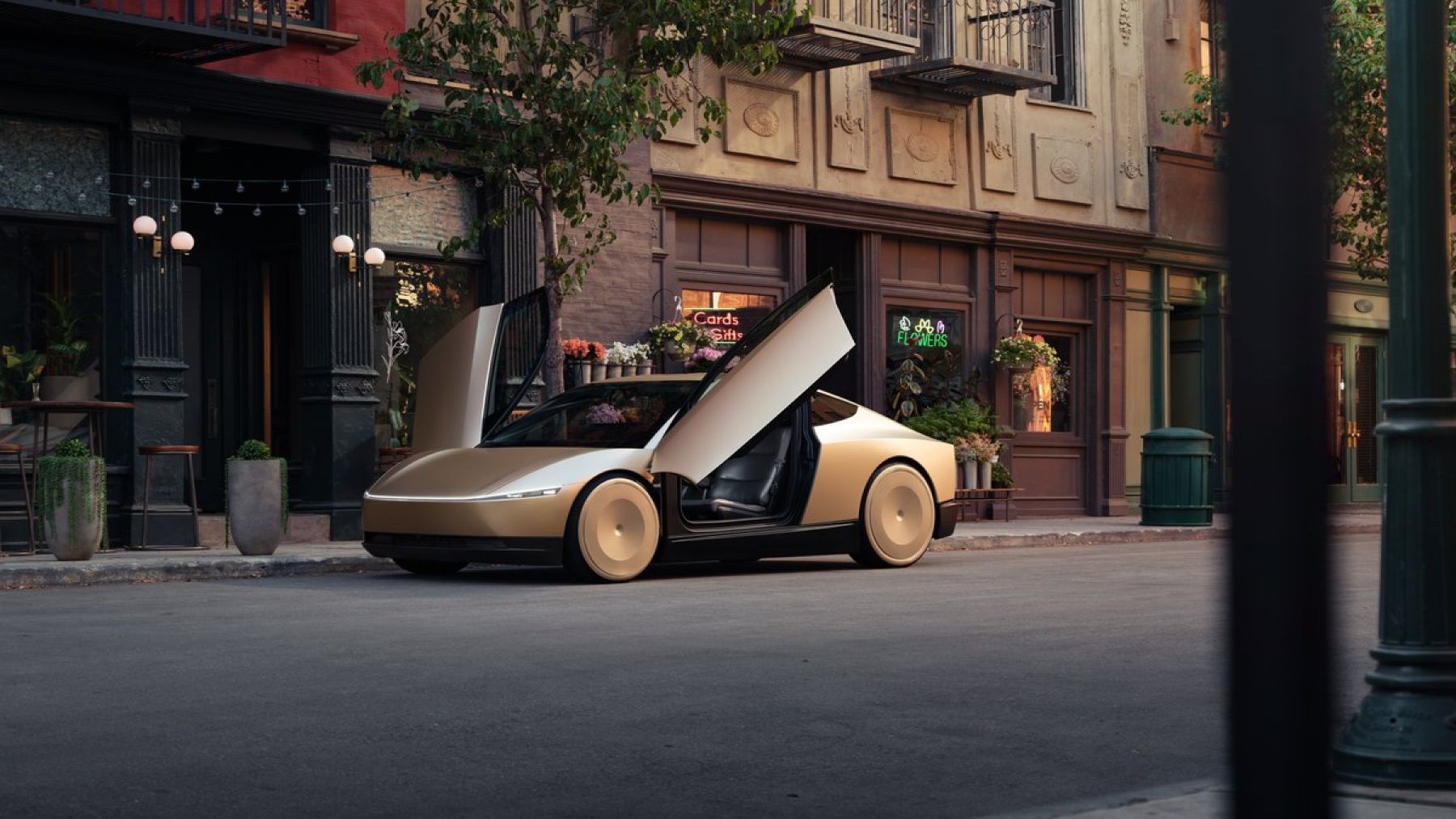
Elon Musk’s Robotaxi is about to become a reality. The mogul announced this new technology last year, but it appears it’s only now that it will become fully operational. Initial reports point to two states as the first to see Tesla’s Cybercabs: California and Texas.
It remains to be confirmed whether the Robotaxi will be able to operate
The launch of Tesla’s Robotaxi has gone from a dream to a work in progress, with regulatory approvals pending. The Robotaxi, if regulations allow, will revolutionize the public transportation industry and the way people choose to hail taxis. While Tesla has long promised this future, its driverless future will ultimately be decided. It remains to be confirmed whether the Robotaxi will ultimately be able to operate in Texas and California, as its first target.
Robotaxi: features two pivoting doors and no pedals, steering wheel, or accelerator or brake
This Robotaxi, which was unveiled last year at the “We Robot” event, stands out primarily for being an autonomous vehicle, meaning it drives itself. This vehicle, reminiscent of other recognizable Tesla models, features two pivoting doors and no pedals, steering wheel, or accelerator or brake.
On the other hand, and unlike other companies, the combination of cameras and radars promotes efficiency in Robotaxi. Furthermore, Tesla has eliminated external sensors, and some safety experts are concerned about the consequences this may have.
Regarding vehicle permits:
On March 18 of this year, the California Public Utilities Commission (CPUC) granted Tesla a charter transportation permit (TCP), which allows it to transport its employees on predetermined routes using company vehicles. However, the permit does not allow it to operate a public autonomous robotaxi service.
In addition to the aforementioned, Tesla has received initial regulatory approval in California to begin its ride-hailing project. Still, there are limitations on what is allowed on US roads. Although Tesla does not yet have full autonomy in the state of California, the groundwork is in place to make hailing a ride this way viable.
Elon Musk’s intention is to reduce travel times
On the other hand, Texas could be the first state to debut the first robotaxis. Musk mentions Tesla’s plans to leverage the Full Self-Driving (FSD) software offered by this cyber taxi.
Elon Musk’s intention is to reduce travel times. With an autonomous taxi, there’s no need to park and no driver, so it can operate continuously, resulting in less traffic in cities.
Convencional taxis: It has taken a long time to adapt to the new business model
In addition to this, Tesla and therefore Elon Musk want to offer the public the ability to request rides in different neighborhoods through their app. However, they also promise safer and more comfortable drivers.
One of the concerns for some sectors of the population is how this will affect conventional modes of transportation. Taxis have already seen the onslaught of Uber, Cabify, and other private transportation companies. It has taken a long time to adapt to the new business model, so it remains to be seen how the transition to this new technological leap will unfold.




