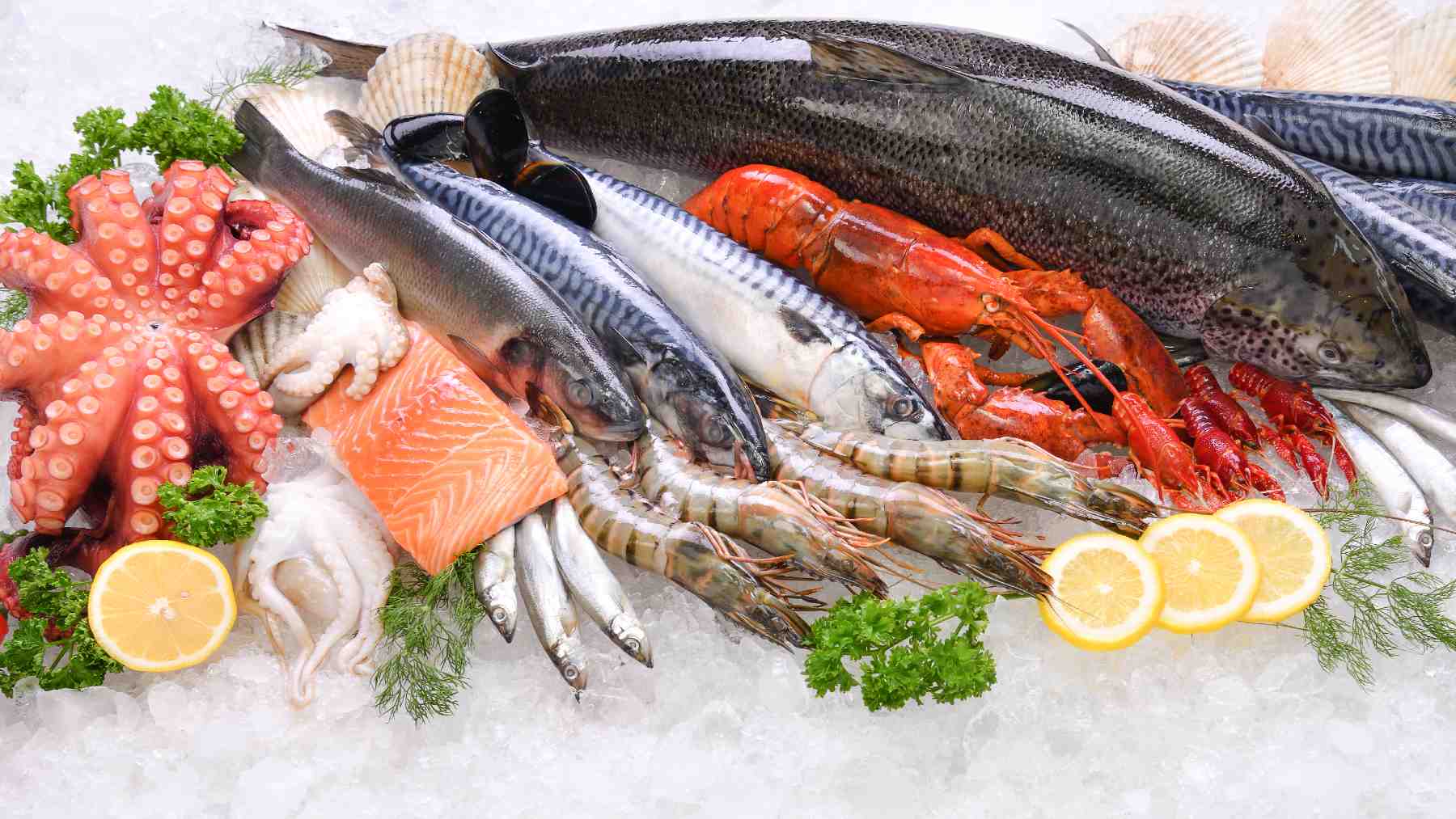
Despite being one of the world’s most popular fish, salmon naturally carry over 70 parasites. Additionally, it is frequently subjected to toxins in fish farms that may be harmful to customers’ health. Salmon’s life cycle is linked to the high number of parasites they harbor; as juveniles, they often remain close to the coast, where they interact closely with marine mammals that feed the parasite life cycle. The conditions in which salmon are raised in aquaculture systems may be just as problematic as the diseases the fish themselves carry.
This is the reason why salmon is the most poisonous fish in kitchens
Farmed salmon are fed a processed diet consisting of fish meal and various chemical additives. Caretakers often employ antibiotics and insecticides to avoid disease; many of these chemicals wind up on the fish’s surface and eventually in humans. Because poisonous compounds are required to keep the pools hygienic, workers at these facilities frequently wear safety gear and suits. Ironically, even though these compounds are designed to keep the fish safe, eating them can still have negative health effects on humans. Moreover, it’s critical to recognize the differences between farmed and wild salmon. Whereas farmed salmon usually include more hazardous pollutants and unhealthy lipids, wild salmon feed organically and have a better-balanced nutritional profile.
In terms of calories, there is also a significant difference: the salmon that is most frequently found in households, which is typically farm-raised, has about 212 calories per 100 grams, while wild salmon only has 115 calories. Because salmon has a high omega-3 level, many individuals still eat it despite these worries. Alternative fish like sardines, which are likewise high in omega-3s but may be less dangerous, are recommended by some experts. Although there are legitimate worries about pollutants and production methods, salmon also has some proven health advantages:
- Minerals and proteins, including calcium, iron, phosphorus, iodine, and selenium.
- Contains vitamins that promote thyroid and intestinal function.
- High in vitamin D, which is essential for bone formation and strength.
- Includes substances that may help prevent skin cancer and treat a variety of skin conditions.
- Reduces the aging process of the skin by having anti-inflammatory properties.
In particular, the import and export of salmon are facing uncertainty due to President Donald Trump’s increased drive for reciprocal tariffs. The United States exports a lot of wild-caught salmon to nations like China, but it also depends largely on imported seafood—Canada alone supplies more than 90% of the nation’s salmon imports. In reaction to Trump’s most recent tariff measures, both countries have already threatened retaliation. These actions pose a danger to vital trade routes and raise prices for both American seafood companies and consumers. The fishing communities that have historically supported Trump because of his deregulatory agenda and hostility to offshore wind turbines run the risk of losing support as a result of Trump’s actions.
In Alaska, where Trump won by a wide margin, the salmon industry is especially susceptible because China is its largest export market, and a significant amount of the fish is processed there before being sold in the US. Leaders in the industry and policymakers are worried that tariffs might reduce export markets and raise operating expenses, such as labor and equipment, while also exacerbating climate change challenges and reducing funding for federal support organizations like NOAA.
The removal of California fish from the endangered species list was approved by Republicans
On Thursday, House Republicans passed legislation to reverse the administration’s decision to list the finger-sized California longfin smelt under the Endangered Species Act. The House approved the resolution on a 216-195 party-line vote, sponsored by Rep. Doug LaMalfa of California. The measure will now be up for consideration in the Senate, which is under Republican control.