
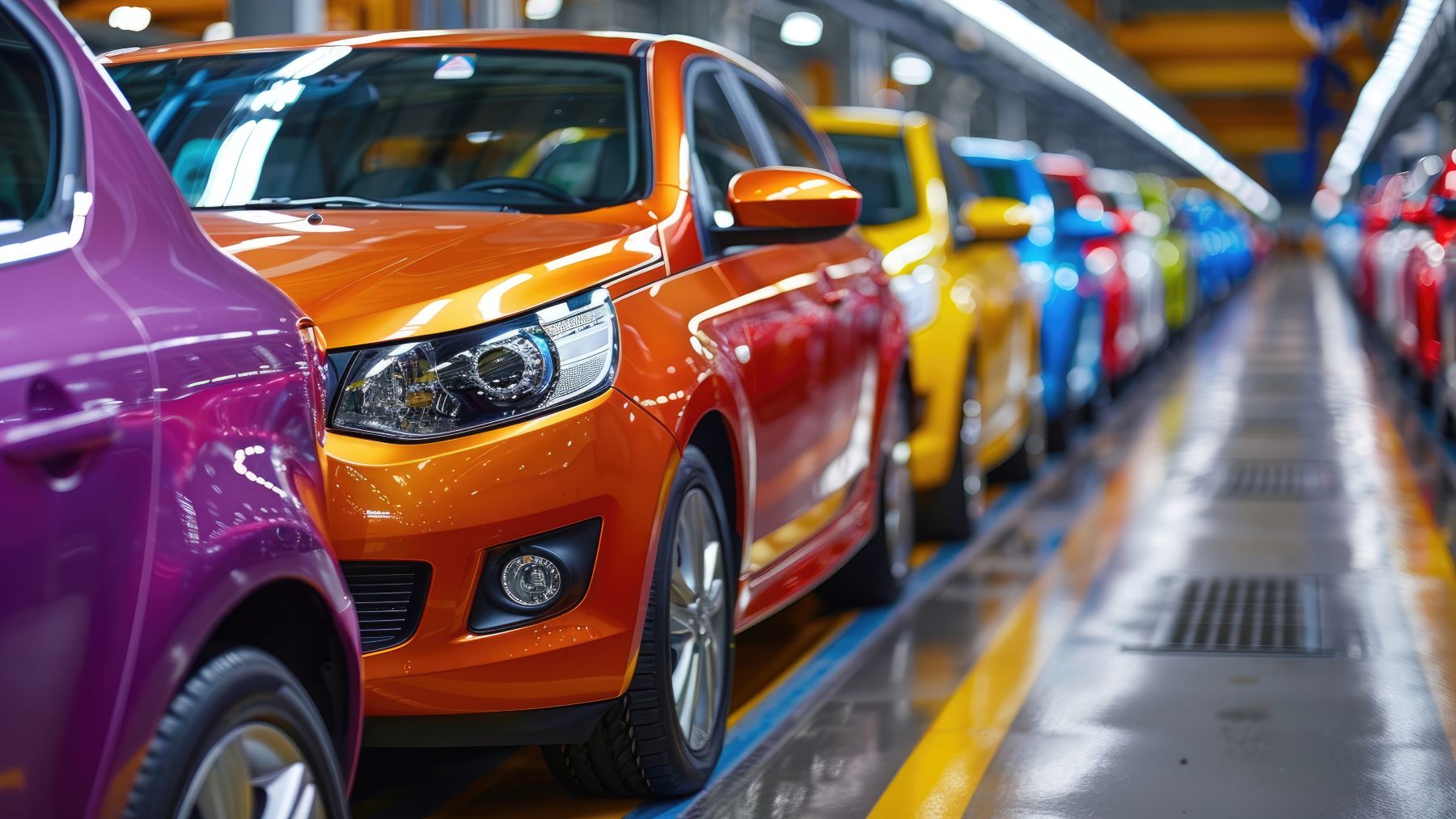
The sun is an element that can significantly damage the color of cars. Especially in areas where summers are characterized by high temperatures. UV rays can significantly damage the appearance of cars. This is something we see more often in cars with opaque and matte paints, and it also accelerates when the pigments are organic, for example, in the case of red, orange, or yellow hues. In contrast, light colors such as white, silver gray, beige, or ivory reflect most of the sunlight, meaning they are less affected by sun exposure.
The damage to the paint will vary depending on the area of the body and the fact that a car’s paintwork is made up of several layers
It’s important to keep in mind that, on the one hand, the damage to the paint will vary depending on the area of the body, with the hood and roof being the most affected, as these are areas most exposed to the sun’s ultraviolet rays. On the other hand, a car’s paintwork is made up of several layers: primer, base coat (the actual color), and at least one top coat of varnish or clear lacquer, designed to protect and enhance shine. This final layer acts as a shield against solar radiation, but it is not invulnerable.
As for colors, as we mentioned earlier, light colors fade differently. It’s not that they don’t fade, but they do so much more slowly and less noticeably. Even with deteriorated varnishes, their natural paleness better conceals the loss of gloss or oxidation. The main cause of deterioration is ultraviolet (UV) radiation, which directly affects the bodywork.
Many cars lose their exterior luster, and their paintwork develops spots or discolorations that make them look ugly and age
Damage to paintwork exposed to sunlight for long periods of time is caused by a process called calcination. This is an effect caused by high temperatures that progressively degrade its chemical components. The intensity of the damage it causes to the paint can vary depending on the color of the car.
UV rays break the chemical bonds of the pigments that make up the color, causing a phenomenon known as photodegradation. This degradation causes the color molecules to lose their original structure, resulting in a loss of color intensity, the appearance of spots, and a rougher texture. In other words, the color oxidizes, wears, and loses its vibrancy. Not to mention that over time, many cars lose their exterior luster, and their paintwork develops spots or discolorations that make them look ugly and age.
It’s important to choose the color you like best and then take care of it as a function of your vehicle
It’s true that today’s most modern cars have external protection, consisting of special varnishes and enamels that, among other functions, filter sunlight. But eventually, with exposure to various weather conditions, these chemicals also become dulled. It’s also important to keep in mind that if the car is washed with abrasive brushes or too frequently, the varnish loses its thickness, leaving the paintwork less protected against radiation.
Therefore, it is recommended that you store your vehicle in a garage, under an awning, or protected with a cover to help preserve the paint over time. Remember, it’s not just the sun that can affect car paint. Atmospheric pollutants such as ozone, nitrogen dioxide, and suspended metal dust; saltpeter in coastal areas; and even some harsh cleaning products can weaken the varnish or react with the pigments.
Finally, to extend the life of your car’s paint, it’s also recommended to polish it thoroughly and use specific protective wax-based products. This will remove discoloration and restore the car’s appearance. Ultimately, when purchasing a car, it’s important to choose the color you like best and then take care of it as a function of your vehicle.




