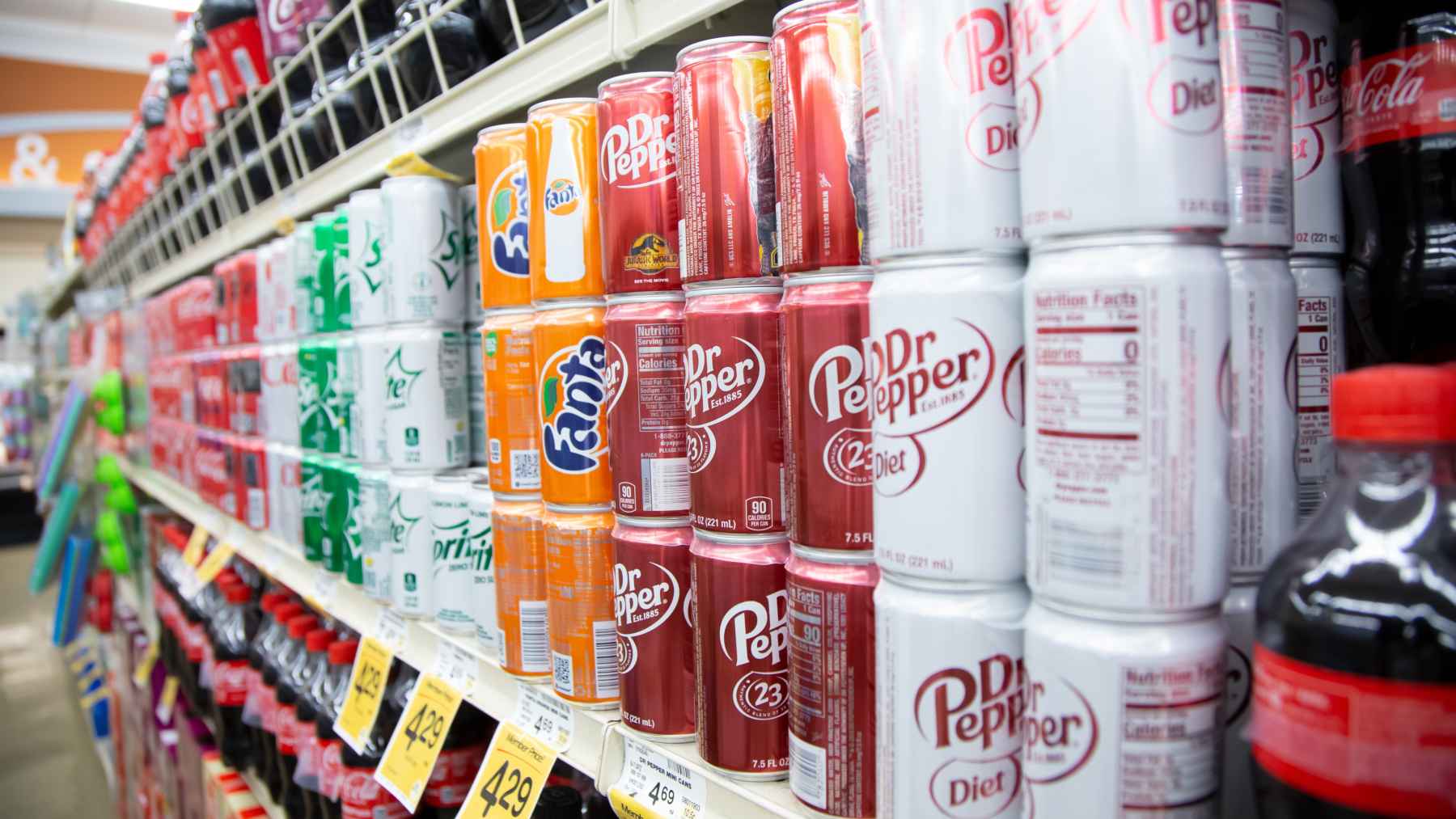
In a stunning shift in the soft drink industry, Dr Pepper has overtaken Pepsi to become the second-best-selling soft drink in the U.S., behind Coca-Cola. The oldest major soft drink syrup and concentrate manufacturer in the U.S. is Dr Pepper. Invented, produced, and marketed in 1885 in Waco, Central Texas, Dr Pepper is America’s signature flavor. The oldest major branded soft drink in America, Dr Pepper, is credited to Charles Alderton, a young pharmacist at Morrison’s Old Corner Drug Store. Alderton, who provided medicine to the people of Waco, enjoyed serving carbonated beverages at the soda fountain.
He wanted to create a drink that tasted like the drugstore scent he found in the mix of fruit syrups. After many experiments, he found a mixture that he liked. Dr Pepper is a unique and extraordinary beverage. After decades of consistent growth and effective market repositioning, the 140-year-old brand has reached this significant milestone. In addition, the Texas-based carbonated soft drink company has become increasingly popular because of its unusual 23-ingredient recipe, which includes spices, vanilla, and cherry undertones. Its rise has been largely attributed to consumers’ increasing desire for more nuanced and distinctive flavors.
Dr. Pepper soft drink is gaining popularity and taking the United States by storm
New taste variations, like Creamy Coconut and Dr. Pepper Cherry Vanilla, have allowed this soft drink to innovate and have been particularly well-liked by younger consumers. The viral recipe for “Dirty Dr. Pepper,” which combines the drink with lemon juice and coconut cream powder, is a prime illustration of its influence on the younger demographic. It gained popularity on social media and prompted the corporation to formally introduce a version of the drink that was influenced by the trend.
Dr. Pepper’s distribution strategy has also been a major contributor to its success. In contrast to Pepsi and Coca-Cola, which face off directly at the point of sale, Dr. Pepper has forged strategic partnerships with both businesses to guarantee its presence in numerous fast food restaurants and restaurant chains. Its accessibility has significantly improved as a result of this strategy, solidifying its place in the US market. Pepsi, on the other hand, has been demoted from the soft drink monarchy due to its inability to innovate.
Sales of Dr Pepper overtook it in 2024. But things are different on the other side of the pond. Despite indications of variation in the classic flavors of these brands, Pepsi and Coca-Cola continue to dominate the European market. One example is Slovakia, where the local drink Kofola overtook Pepsi in sales years ago, showing that there is room for options outside the dominance of the carbonated beverage giants.
Beer and soft drink manufacturers stand to gain as Americans cut back on their consumption
Since alcohol seems to be out of style right now—a trend that Investopedia has recently covered—that is the opinion of analysts at Morgan Stanley, who released a study late Tuesday that discussed potential outcomes. A growing number of consumers are concerned about their health, yet there are also short-term economic concerns. Businesses are using the same tendencies to guide their decisions. Poppi is a prebiotic soda brand that PepsiCo (PEP) agreed to purchase for $1.65 billion earlier this month.
A new “multifunctional” line of sodas with components like organic ginger and mushroom extracts and relatively low calorie counts was highlighted on a recent conference call by Reed’s, an over-the-counter firm known for its ginger ales. Reed’s CEO, Norman Snyder, remarked that the company’s beverages meet the expanding demand for health-conscious, functional refreshment options, putting them at the forefront of the changing beverage market. Retailers have responded positively, dedicating more shelf space to functional and healthier beverage categories. Furthermore, Morgan Stanley recommends Coca-Cola (KO) and avoids Brown-Forman (BF.B) in the beer market. They believe spirits growth will slow in developed markets as consumers shift towards lower/non-alcoholic options, creating an opportunity for the beer market.