
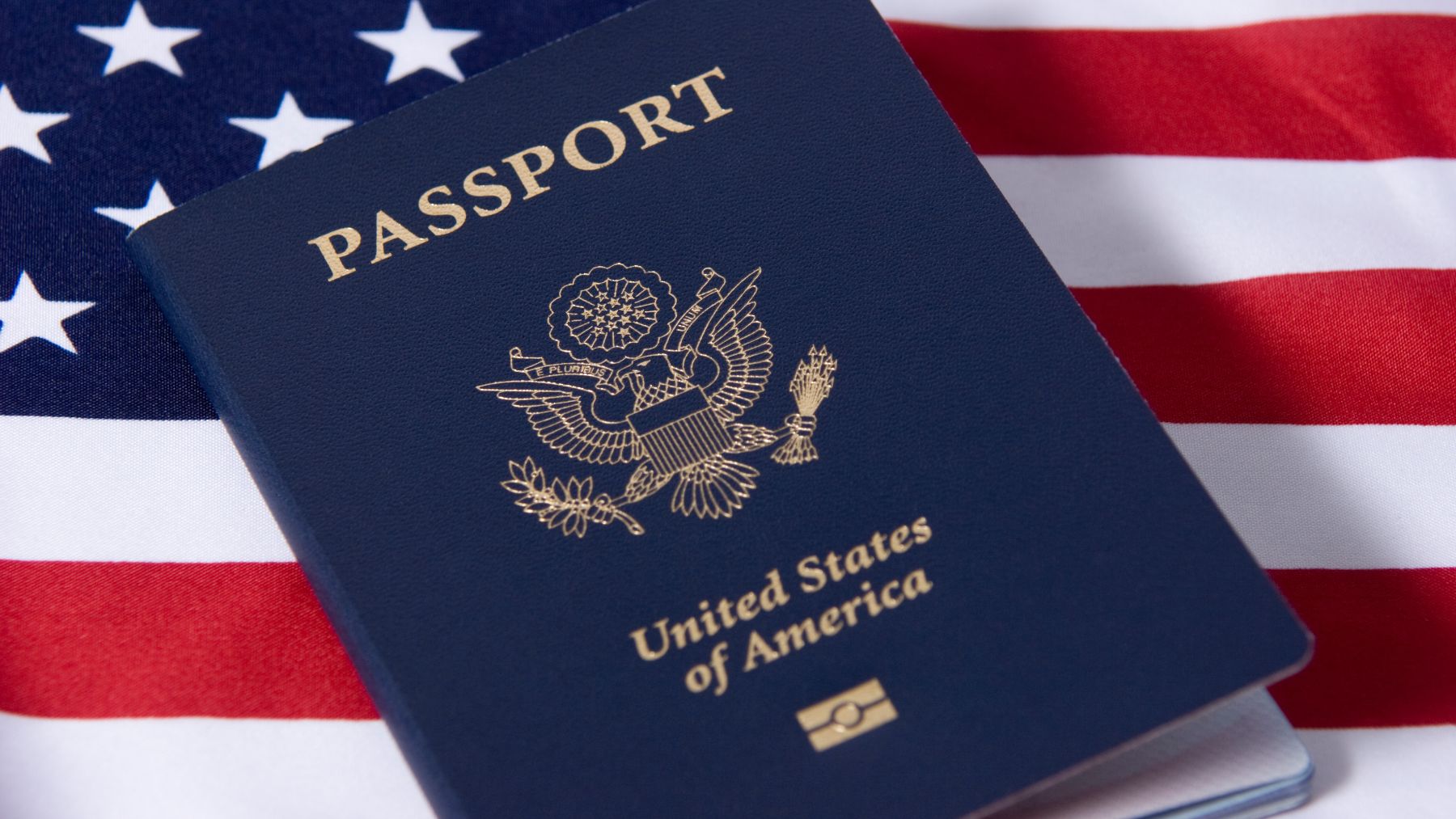
International tourism is in a complex situation. Donald Trump in the United States has recently introduced new, stricter measures, such as the “integrity fee” that will be applied to US life. USCIS states that traveling to the United States will be more expensive for countries that are not in the Visa Waiver Program, such as Argentina, Mexico, Brazil, and China. With this new measure in place, there is uncertainty surrounding upcoming events in the United States, such as the 2026 FIFA World Cup and the 2028 Olympic Games in Los Angeles. Read on to learn more.
Learn all about the “integrity fee”
The new $250 “integrity fee” imposed on visas for travelers to the United States could increase pressure on the country’s tourism industry, which is in crisis as international arrivals continue to decline due to President Donald Trump’s drastic measures against immigration and hostility toward many foreign countries. However, according to the latest figures, Argentine tourists are an exception, as their trips to the United States are rising at a much faster rate than the regional average.
International travel to the United States fell 3.1% year-on-year in July to 19.2 million visitors, according to U.S. government data. It was the fifth month of decline this year, contradicting expectations that by 2025 annual visitors would finally exceed the pre-pandemic level of 79.4 million.
The new visa fee, which will take effect on October 1, adds an additional hurdle for travelers from countries without visa exemptions, such as Mexico, Argentina (which is in the process of joining the visa waiver program), India, Brazil, and China. The additional charge brings the total cost of the visa to $442, one of the highest visitor fees in the world, according to the U.S. Travel Association, a membership organization.
“Any friction we add to the traveler experience will significantly reduce travel volume,” said Gabe Rizzi, president of Altour, a global travel management company. “As summer ends, this will become a more pressing issue, and we will need to factor fees into travel budgets and documentation.”
Projected spending by international visitors
Spending by international visitors to the United States is projected to fall below $169 billion this year, down from $181 billion in 2024, according to the World Travel and Tourism Council.
The visa rate reinforces the gloomy perception of the United States under the Trump administration, whose immigration policies, foreign aid cuts, and radical tariffs have eroded the appeal of the United States as a destination, even with major events such as the 2026 FIFA World Cup and the 2028 Los Angeles Olympics on the horizon.
On Wednesday, the Trump administration proposed a government regulation that seeks to limit the duration of visas for students, cultural exchange visitors, and journalists.
In early August, the administration announced that the United States could require bonds of up to $15,000 for some tourist and business visas under a pilot program that will take effect on August 20 and last for approximately one year. This program seeks to combat visitors who exceed the stay allowed by their visas.
Tourism Economics, a consulting firm affiliated with Oxford Economics, predicted in December 2024 that international travel to the United States in 2025 would increase by more than 10% year-on-year. However, a 3% decline is expected, according to Aran Ryan, director of industry studies at Tourism Economics. “We consider this a sustained decline and anticipate that much of it will continue throughout the administration,” Ryan said.
Those most affected: Central and South American countries
The new visa fee is likely to have the greatest impact on Central and South American countries, which have been an exceptional bright spot for travel to the United States this year. In May, travel from Mexico to the United States increased by almost 14% in 2025, according to the National Travel and Tourism Office.
Arrivals from Argentina increased by 20% and from Brazil by 4.6% so far this year. Overall, travel from Central America grew by 3% and from South America by 0.7%, compared to a 2.3% decline from Western Europe.
Arrivals in the United States from China have remained low since the pandemic, with July figures still 53% below 2019 levels. The visa fee also threatens travel from India, where visits have declined by 2.4% so far this year, due to an 18% drop in the number of students. For some, the increase in fees will be absorbed as just another expense in an already costly trip to the United States.
“The United States has always been selective with its visitors. If your financial situation is not adequate, getting a visa is difficult anyway,” said Su Shu, founder of the Chinese company Moment Travel in Chengdu.




