
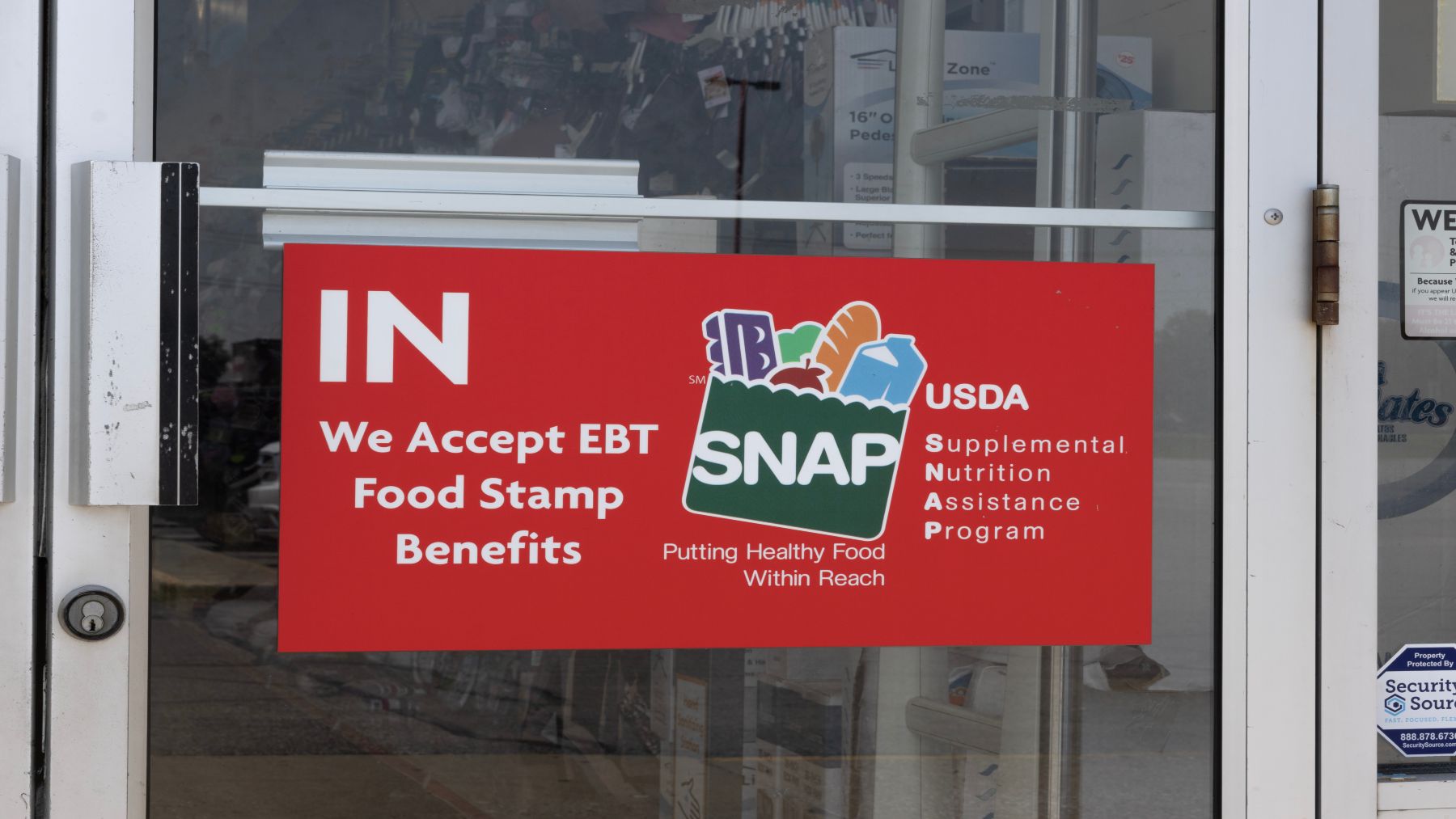
Families are beginning to notice the cuts to the government’s Supplemental Nutrition Assistance Program (SNAP) benefits. This aid is essential for many families who are barely making ends meet, and it is a measure that harms low-income families. The changes introduced by the recent tax and spending law will result in reduced benefits and the exclusion of millions of families from the main state food assistance program. According to the latest USDA report, approximately 42 million people in 22.3 million households received the SNAP food assistance program during 2023.
Reminder: this program began to introduce certain changes in the types of food families could purchase with SNAP assistance
According to the United States Department of Agriculture, the program has not yielded any benefits since its implementation and that healthy eating rates have not improved. It’s worth remembering that this program began to introduce certain changes in the types of food families could purchase with SNAP assistance. With the goal of promoting better nutrition, the purchase of sugary drinks, sweets, and convenience foods was banned.
Congressional Budget Office: nearly 2.4 million beneficiaries, equivalent to 6% of the total, will be excluded from SNAP each month
Among the new measures adopted is the expansion of mandatory work requirements to people up to 64 years of age, compared to the previous regulations that only included those between 18 and 54. According to estimates from the Congressional Budget Office, nearly 2.4 million beneficiaries, equivalent to 6% of the total, will be excluded from SNAP each month. This is due to the expansion of work requirements for some parents and older beneficiaries.
“It’s a tough labor market, and the work requirements come without any support. Our most vulnerable sectors will have even less access to resources”
Regarding the increasingly stringent requirements, Gina Plata-Nino, an expert at the Food Research and Action Center, says, “It’s a tough labor market, and the work requirements come without any support. Our most vulnerable sectors will have even less access to resources.” Those who continue to receive assistance will see a reduction in their monthly payments, at a time when food prices remain high. As we’ve been discussing recently, the cost of living continues to rise, but neither wages nor basic assistance like this are rising at the same rate.
The exclusion of connectivity costs will reduce the average subsidy for 65% of beneficiary households by about ten dollars per month
Not only are budget cuts being made, but also the way aid is administered. Until July, applicants could deduct basic utility costs, including internet, from their income when calculating benefits. Now, the exclusion of connectivity costs will reduce the average subsidy for 65% of beneficiary households by about ten dollars per month. Carolyn Vega, deputy director of policy analysis for the organization Share Our Strength, refers to the SNAP cuts as follows: “The budgets of families who barely have enough room to survive are at stake; every SNAP dollar becomes vital to stretching food spending.”
Starting in 2027, states will have to cover 75% of the program’s administrative costs, up from the current 50%
This also poses a problem that could have more drastic long-term consequences for beneficiaries. According to official data, starting in 2027, states will have to cover 75% of the program’s administrative costs, up from the current 50%, testing the financial sustainability of SNAP operations in certain areas. In any case, it’s important to remember that each state manages its own assistance, so depending on where the interested party resides, it’s important to visit an office or review the requirements on the official website. All the details on the different options for action in each case and situation are available there.




