
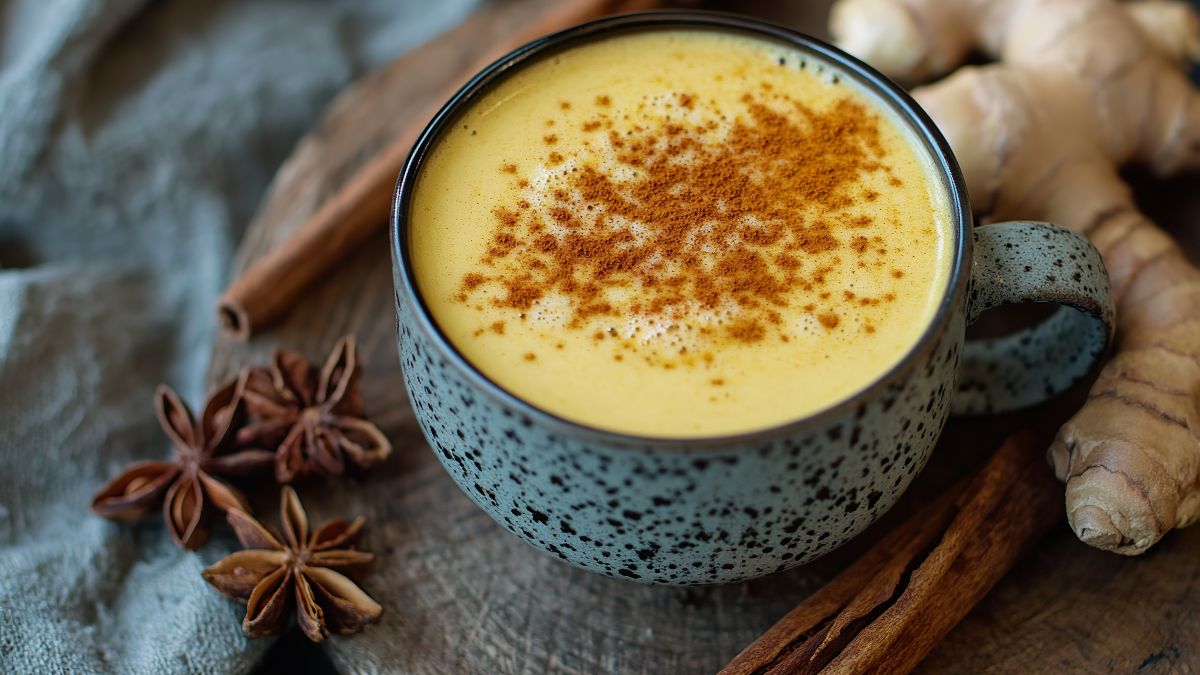
There is an ancient Indonesian drink known as Jamu that is regarded as the cure-all drink for thousands of people as it is made from turmeric and ginger. Since it is a highly important drink in Indonesian culture, recipes are passed down through the generations within families. Turmeric, ginger, and tamarind are among the spices, roots, and herbs that are customarily mashed using a mortar and pestle into a thick slurry before being ingested as a shot, warm beverage, or cold refreshment. Jamu experienced a resurgence in Indonesia as more people turned to foods and drinks that had health benefits during the pandemic.
It is now available nationwide, and jamu cafés, such as Acaraki and Suwe Ora Jamu, have sprung up all over Indonesia, thanks to the efforts of young craftspeople and businesspeople. Additionally, the St. Regis Bali Bar serves this turmeric and ginger drink enhanced with Beefeater gin. There is also a little but developing jamu community in the United States. Some Indonesian Americans have started to like their childhood beverage, which was once regarded to be quite bitter and salty.
Jamu’s turmeric and ginger have been a universal home remedy for centuries
Third-generation jamu maker Shanley Alya Suganda founded Djamu, a company based in New York City, in 2021 to uphold the customs of the herbal concoction. At Wayan Restaurant in New York City, where the latest cocktail menu includes a jamu drink, French and Indonesian cuisine coexist. In the United States, Indonesian companies like Jamulogy have begun selling jamu. In addition, aficionados flock to places such as Puree Juice Bar in Bethesda, Maryland, to drink the cold-pressed Jamu.
Like gado-gado (salad with peanut sauce) and nasi goreng (Javanese fried rice), jamu is an Indonesian dish. However, the ancient tincture is not well known outside of the nation. Jamu is believed to have been made in the royal court as a longevity elixir some 1,300 years ago. Since then, Indonesians have continued to use it as a natural immune booster, remedy for illness, and pick-me-up. For many Indonesians, jamu is more than just a drink. It pays tribute to their nation’s traditions and heritage on a cultural, historical and spiritual level.
Moreover, Ibu Lilik, a third-generation herbalist who has been conducting jamu rituals at The Laguna Resort and Spa in Nusa Dua, Bali, for over 30 years, says jamu is much more than just a simple beverage. Made from the island’s plentiful natural resources, this tonic has been handed down through the years and is a representation of Indonesia’s rich legacy. According to Lilik, jamu is praised not only for its therapeutic qualities but also for the way it fosters a sense of connection with the land. The majority of jamu recipes contain ingredients like turmeric, ginger, tamarind, and lemongrass, which are well-known for their anti-inflammatory, digestive, and restorative effects.
Not everything is perfect with this drink made from turmeric and ginger
The tonic’s harsh and spicy flavor can divide people. As children, many Indonesians rebelled against their parents for making them eat it. For instance, Suganda describes the bitter, earthy, and difficult-to-swallow drink as unpleasant, causing her to hold her nose and dread every sip, despite its unpleasant texture. The United States is developing a greater awareness of Indonesian wellness culture as Jamu products become more widely available.
Djamu, an Indonesian wellness brand, has been testing its products in New York for three and a half years, and customers have given excellent feedback on the health advantages and unique flavors. Lastly, it is important to remember that Djamu’s trademark jamu, Always Sunny, is made with fresh turmeric, ginger roots, lemon, tamarind, and monk fruit. Only fresh ingredients are cold-pressed at Puree Juice Bar in Maryland to prevent the grainy taste that comes from other brands that employ dry powders to extend their shelf life.




