
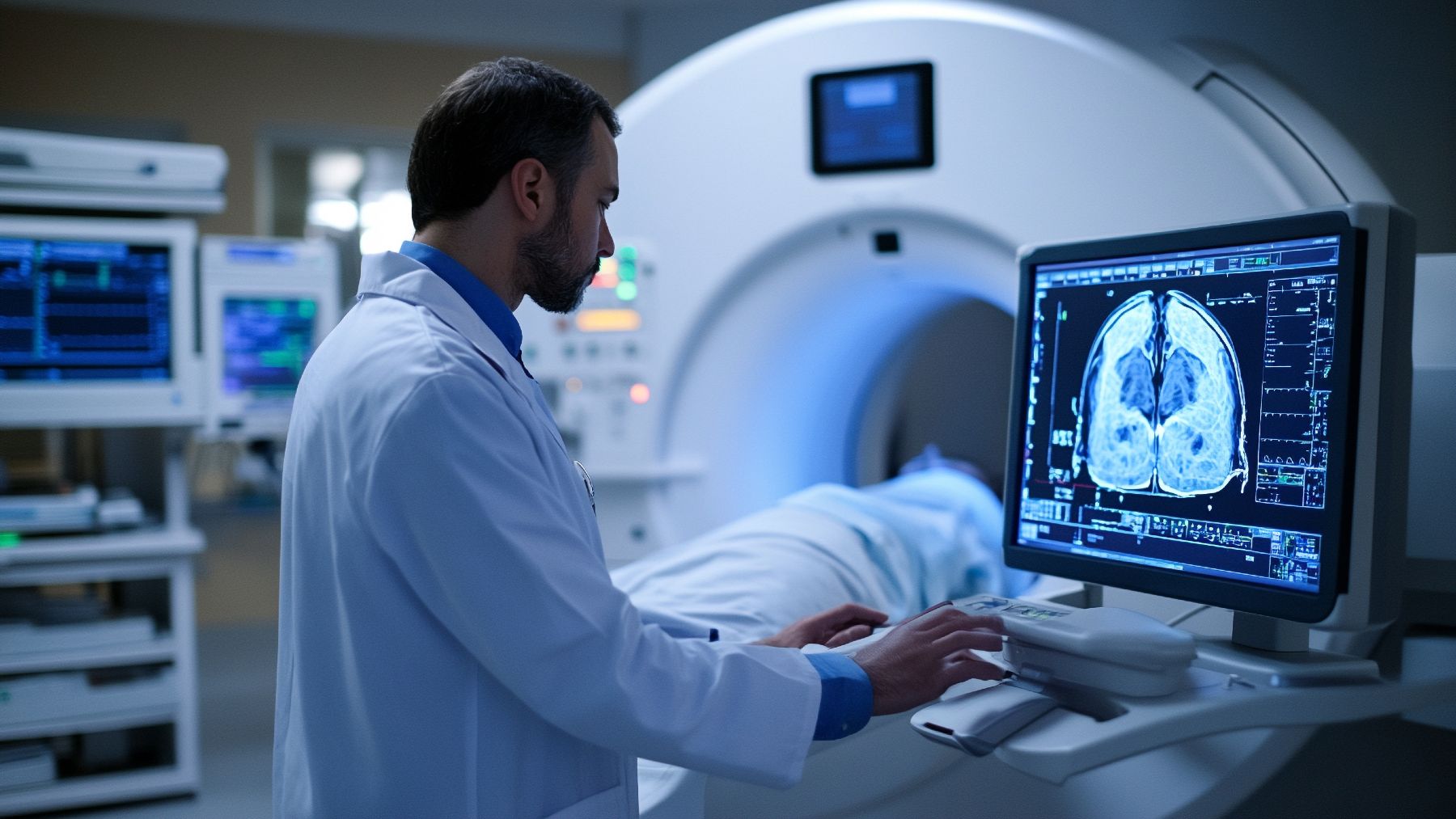
An MRI is a procedure that virtually everyone has heard of at some point. This technique, for example, is very common for injured athletes who need to determine the extent of joint damage. There may be side effects after this procedure, which, according to experts, may be related to the gadolinium. It’s important to clarify that an MRI does not pose long-term risks, nor do any side effects generally appear.
“The worst disease caused by MRI contrast agents is nephrogenic systemic fibrosis”
Below, we’ll explain what happens if you experience side effects. As we’ve mentioned, side effects can be related to gadolinium, a metal used to create contrast images and which, when interacting with our bodies, can cause certain reactions. Some research suggests that the interaction between gadolinium and oxalic acid (the latter found in foods such as spinach, blueberries, and vitamin C) can cause the appearance of gadolinium oxalate compounds that enter cells and accumulate in tissues.
Regarding this, “The worst disease caused by MRI contrast agents is nephrogenic systemic fibrosis,” says Dr. Brent Wagner, a professor in the Department of Internal Medicine at the UNM School of Medicine and leader of the study investigating the case, published in the journal Magnetic Resonance Imaging.
These effects are temporary and cause no lasting damage, are rare and generally mild
There is also the side effect caused by phosphenes. These are phenomena characterized by the sensation of seeing bright spots, caused by magnetic stimulation of the retina or visual cortex. Fortunately, these effects are temporary and cause no lasting damage.
On the other hand, and according to experts, if a contrast agent is used, mild side effects may occur, such as headache, general malaise, tingling, skin irritation, allergic reactions, phlebitis at the venipuncture site, and increased body temperature. These effects are rare and generally mild.
The vast majority of patients don’t experience any adverse side effects during or after an MRI
It’s important to emphasize again that open MRI (open MRI) is considered a safe test that doesn’t cause long-term side effects. The vast majority of patients don’t experience any adverse side effects during or after an MRI. In any case, there are a number of recommendations that are important to keep in mind when undergoing this type of procedure.
One of the most important things to keep in mind is that before scheduling an open MRI appointment, it’s important for the patient to speak with their doctor. The doctor should be informed of any medication allergies, previous surgeries, or preexisting medical conditions.
It is essential to follow the recommendations against wearing metal objects during the AMR
Experts recommend that patients wear comfortable clothing free of metal items such as snaps or zippers. Metal objects such as coins, keys, or pins can become dangerous projectiles in a strong magnetic field, potentially damaging both the patient and the equipment. Therefore, it is essential to follow the recommendations against wearing metal objects during the AMR.
If the patient experiences any discomfort, they should report it immediately
Additionally, jewelry, watches, credit cards, and other electronic devices can be damaged in an AMR environment due to the strong magnetic field. It is essential to remove these objects before the procedure. Finally, if the patient experiences any discomfort or unusual side effects, they should report it immediately. Above all, and most importantly, if you have any questions, consult your doctor. The Internet is a source of information in many fields, but when it comes to medicine, we recommend always consulting a doctor or specialist in the field to avoid mistakes or misunderstandings. Health is the most important thing.




