
Summer arrives with joy, but also with insects that take over our homes. Ants, flies, wasps… And considering that no one wants these creatures in their homes because they’re incredibly annoying and that it’s better not to use repellents that pollute and are harmful to the planet, what better way to do this than with home remedies that are inexpensive, eco-friendly, and easy to implement. For example, citronella, lavender, mint, or rosemary.
Cucumber and lemon: Their scent is an effective repellent, and they also leave a pleasant fragrance in the air
First, you can start by using cucumber or lemon. These foods can be your best ally. Their scent is a very effective repellent, and they also leave a pleasant fragrance in the air. Simply cut several slices and leave them on plates around you. In fact, it’s very likely that during this time of year, beach bars and restaurants, popular pilgrimage sites for wasps, will resort to these methods.
On the other hand, we have the power of plants. In this regard, there are almost countless plants that can help us combat the presence of insects like wasps, which can not only be annoying but also have dangerous stings.
We can use lavender, eucalyptus, mint, geraniums, rosemary…
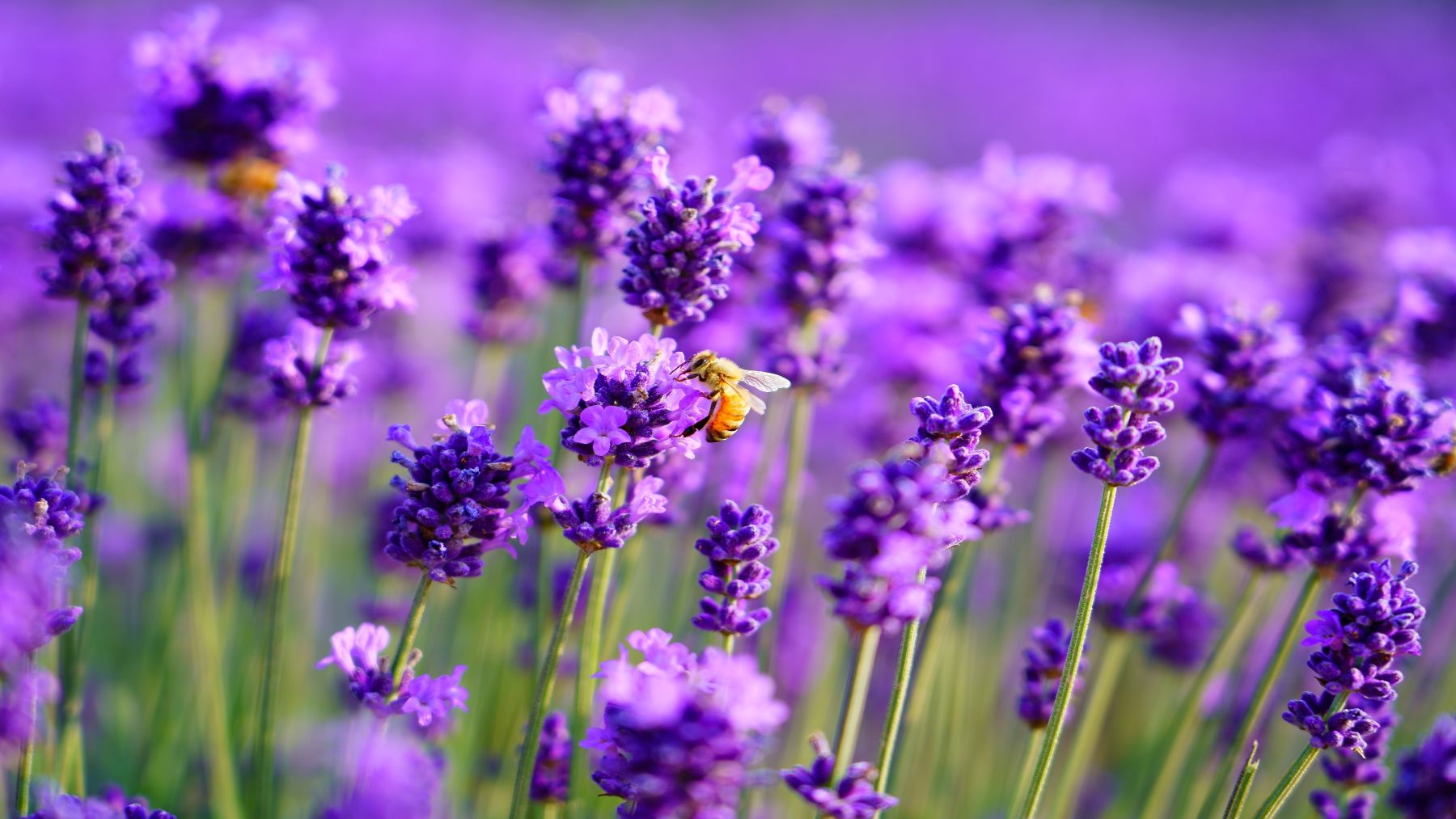
For this, we can use lavender, for example. Lavender oil, which has a wide range of benefits, is also a wasp deterrent, making it an excellent choice for garden borders. In addition to providing rooms with a very pleasant scent, it is even recommended to relieve stress and anxiety due to its relaxing properties.
Eucalyptus is another plant that can be very effective in combating these insects. The strong menthol scent of eucalyptus leaves is overwhelming to wasps. This fast-growing tree can reach substantial heights quickly, offering not only privacy but a continuous repellent effect as long as its aromatic leaves are present. Furthermore, it’s common to find this type of plant in homes because of its refreshing scent; people often leave it in bathrooms, for example.
Another delicious and refreshing scent is mint. Its intense aroma is perfect for placing near outdoor seating areas to keep wasps away. As an added bonus, mint is easy to grow, manage, and can even be added to pots. We can keep this plant in pots and use it not only to keep wasps away, but also to flavor our meals or teas.
If we want a natural and immediate repellent we can use vinegar
Geraniums are also a popular choice. Especially the scented ivy-leaf variety, which gives off a fragrance that is immediately noticeable and energizing to humans, but hated by wasps. They are also a beautiful plant that naturally decorates the terraces and balconies of our homes, simply with their presence. Geraniums are ideal for planting in sunny locations, where their scent intensifies, providing a natural barrier against these flying pests.
Another common plant in homes that we can use to repel wasps is rosemary. This fast-growing plant is not only useful in the kitchen but also acts as a natural wasp repellent. Its pine scent and attractive flowers make it a plant with many benefits, in addition to enhancing the aesthetics of the garden and keeping the air free of wasps.
We can also use other types of herbs such as thyme, pennyroyal, citronella, or fennel to prevent wasps from entering our homes. And if we want a natural and immediate repellent because we already have wasps in our home, we can use vinegar. As we all know, vinegar has a much more potent and acidic odor than lemon or cucumber, which we mentioned earlier, making it more effective. Using a little vinegar to clean surfaces where wasps are present can be an immediate response.




