
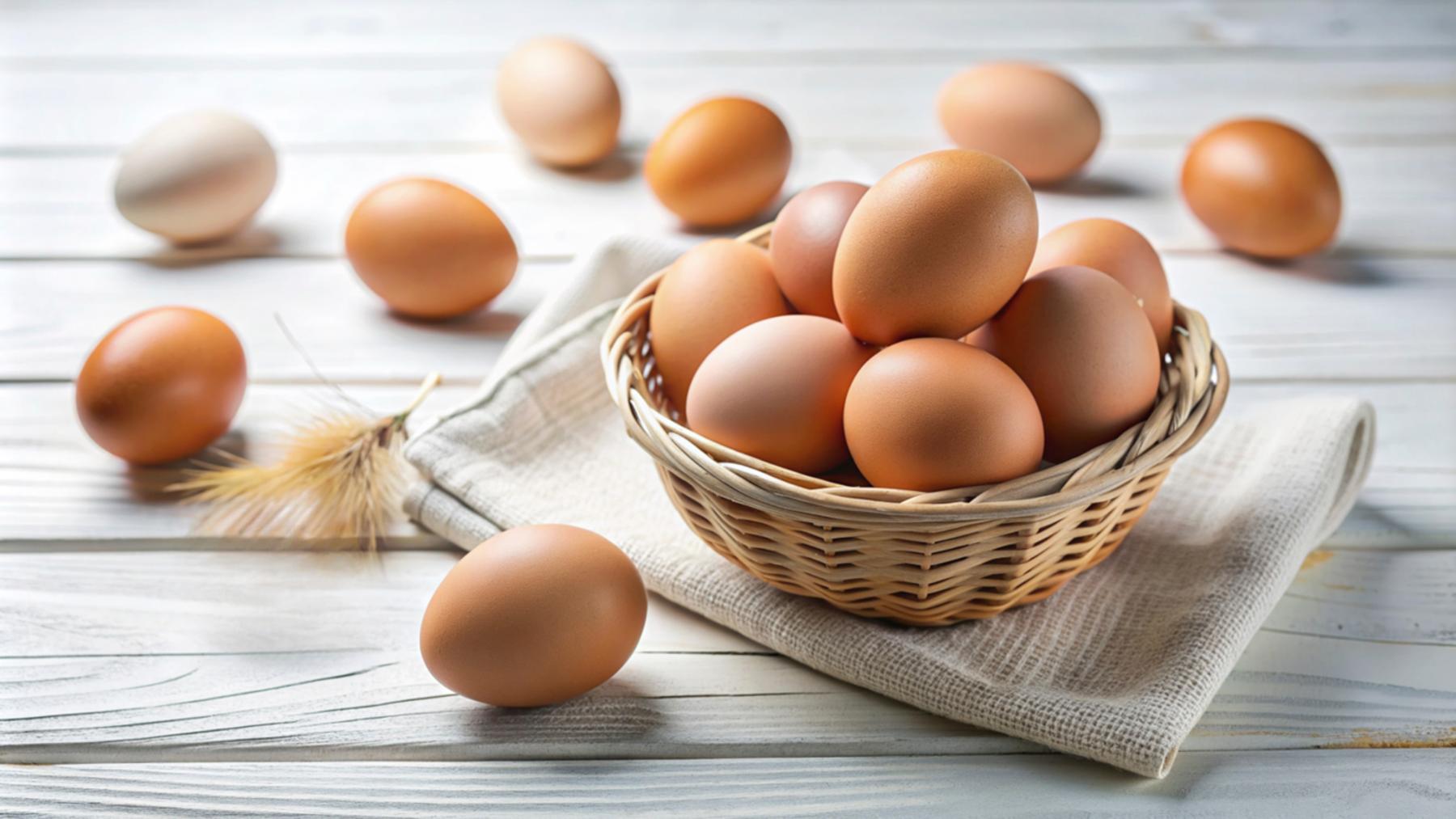
A food safety expert explains that good egg preservation is dependent on several elements, including refrigeration and shell disinfection. Eggs are a popular food because they are an easy-to-digest, accessible protein. However, due to the avian flu, we must be cautious about how we keep eggs. There are numerous tactics and suggestions for preserving them so they stay fresher for longer, but beyond the obvious things that many of us already know, food engineer Mariana Zapién discusses when to refrigerate them and when not to, as well as the science behind it.
This is how we should store our eggs, according to a safety expert
This membrane, which serves as a natural coating, is removed during the egg washing and disinfection process, as is common in several countries that follow U.S. sanitary guidelines to remove potential pathogens. The coating is removed during the washing process, and the porosity of the eggshell increases the risk of penetration by disease-causing bacteria, particularly Salmonella, whose growth is inhibited by cold. Because eggs in countries such as Mexico are not subjected to these disinfection procedures, their protective cuticle remains intact. This natural barrier protects the egg from bacterial contamination and allows it to be stored at room temperature without refrigeration, she says.
The expert recommends keeping eggs at a consistent temperature. If you bought them refrigerated, keep them refrigerated. If eggs are refrigerated and then exposed to room temperature, condensation may form on the surface, increasing the risk of microbial growth and contamination. Temperature variations should be avoided at all costs, so if you have purchased refrigerated eggs, keep the cold chain intact and store them in the refrigerator. If you buy them at room temperature, you can store them at that temperature. Finally, to avoid rapid temperature changes when opening and closing the refrigerator, place it in the middle rather than at the door.
US hen hires are prompted by egg pricing
Concerned about the skyrocketing cost of eggs and the fact that US retailers were limiting this essential morning item, Kim Yong-mi decided to purchase several chickens to ensure her supply in southern California. Renting a henhouse, complete with egg-laying birds, is an option for individuals who aren’t ready to make the permanent switch to backyard farming, even if many people occasionally consider it. About ten years ago, a farming couple in Pennsylvania started Rent The Chicken, which helped chickens grow in popularity in the US. Since then, local farmers have established their branches of the project, which has spread to over 40 cities in North America.
Interest in the service increased during the COVID-19 lockdowns, when people were confined to their homes, but in recent months, as consumers panic over the skyrocketing price of eggs due to bird flu, which has resulted in the mass killing of egg-laying birds, it has taken off. Due to retailers placing daily restrictions on the quantity of cartons a customer may purchase, some Americans have been paying up to US$10 for a dozen eggs, which is three times their typical price. According to the US Department of Agriculture, eggs cost 60% more in March than they did a year earlier. Lee quickly clarifies, though, that keeping chickens at home is not less expensive than purchasing eggs from a store. Rather, it is a quality issue. Eggs at the grocery store are usually 48-60 days old, as they degrade over time.
Backyard eggs, on the other hand, are only as old as the owner’s time spent picking them up from the henhouse floor. Chicken care instructions, food, waterers and feeders, extra treats, and the birds are all included in the packages. The most remarkable feature, though, is the included coop, which is a kind of miniature house with what appears to be a patio and is all fenced in.




