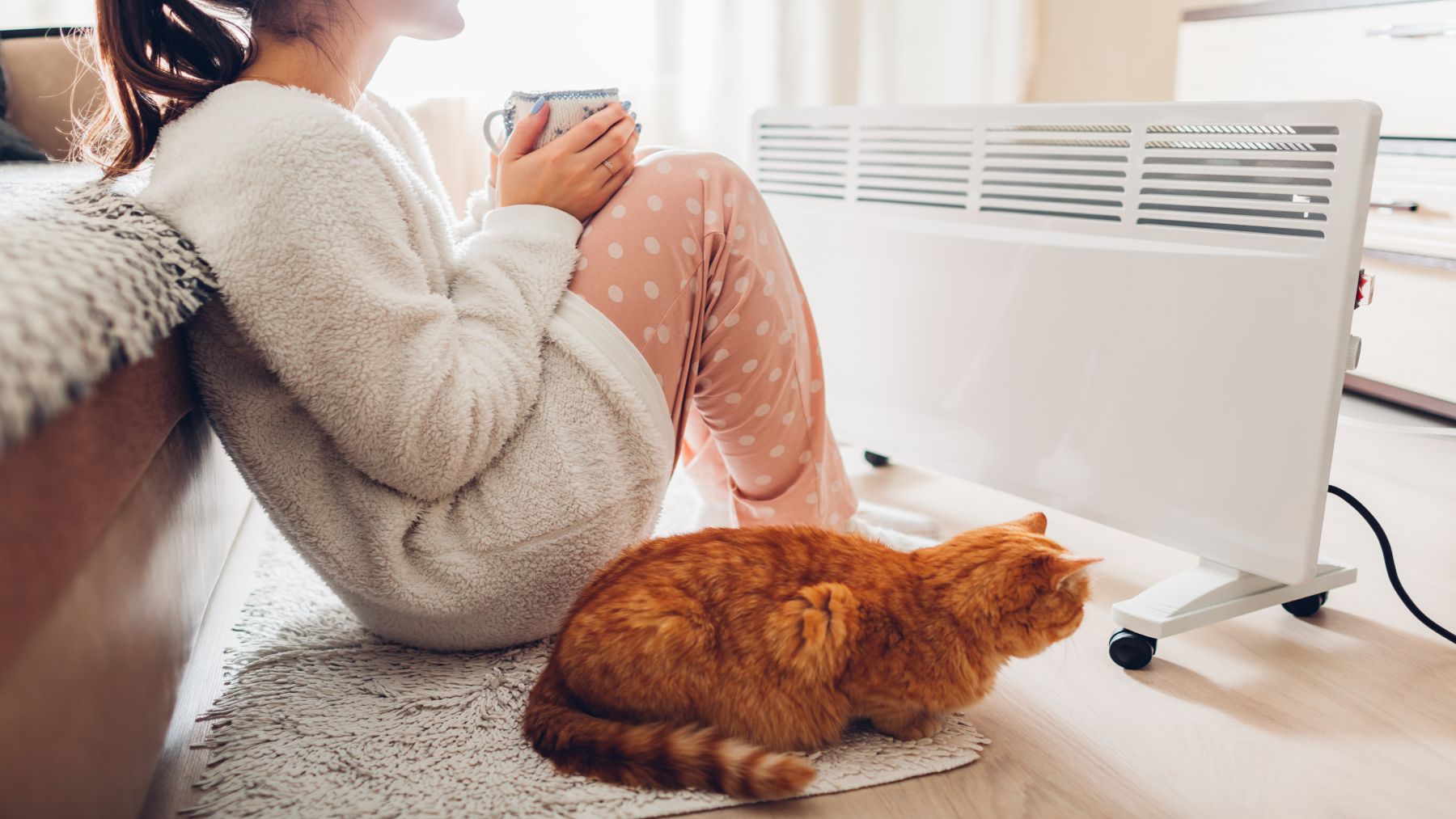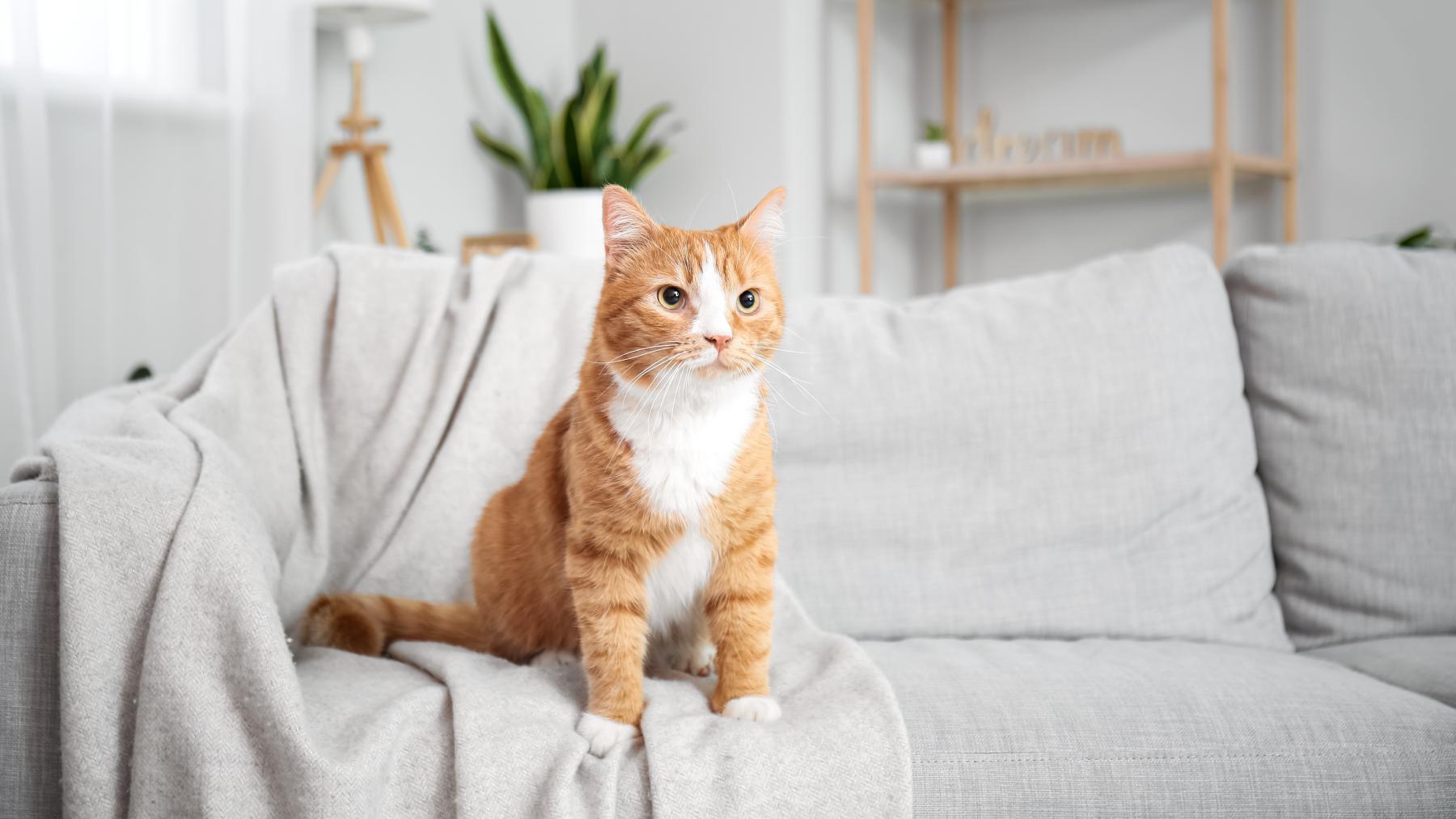
Anyone who has a cat knows the scenario all too well: you get up for a quick cup of coffee, and then the cat is sleeping just where you were sitting just a moment ago. Many owners find that even if they only leave their seat on the sofa or at their workstation for a second, their feline has already settled in. This seemingly thieving behavior is explained by a combination of social bonding and territorial demands.
This is the hidden reason why your cat takes your seat when you barely move
Cats are territorial animals whose behavior is strongly influenced by scent signals. Humans unconsciously leave a multitude of scent marks in every place they use – especially on their skin, hair, and clothing. These fragrance traces are a clear sign to the sensitive nose that the environment is familiar and safe. By lying down in this place, it uses the familiarity of the scent as an orientation and comfort factor. In addition, it symbolically takes possession of the place itself, which is part of its natural territorial behavior. Although felines were traditionally thought to be solitary creatures, new research has shown that they may create social relationships with their caregivers that are comparable to those of dogs or small children.
This suggests that searching for the perch left by people can be perceived as a sign of social intimacy. The seat represents not just intimacy but also emotional attachment, indicating that the kitten wishes to be close to its human even when the latter is not around. Cats also love warm areas, which is an important consideration. Cats enjoy greater ambient temperatures than humans because their natural habitat is in warm climes. Warm surfaces, such as a recently vacated chair or sofa, provide optimal resting circumstances because they require less energy to adjust their temperature. This behavior can also be explained energetically: cats act effectively and deliberately pick warm spots to lie down to maximize their heat balance.
Cats exhibit a strong inquisitive behavior. They are drawn to changes in their environment, no matter how minor they appear. A newly vacated seat is an appealing target for this animal because it smells different, has a different temperature, and may provide a unique view of the space. Keep in mind that if they want to preserve their perch, alternate sleeping spots should be established that provide both warmth and familiar odors. Cushions or blankets that are frequently used near humans can help to refocus the kitten without neglecting its desire for proximity.
It is critical to provide the cat with positive options rather than punishing the behavior with rejection. Moreover, felines’ behavior of lying down on their human’s perch is far from random or fun. Rather, it is a complex interplay of instinct, attachment, and a desire for comfort. Anyone who understands this behavior will notice not only a hint of animal personality but also a sign of strong attachment.
A new color has been defying everything we knew about them until now
Unsettling black cats, erratic orange cats, and elegant-looking tuxedo cats are all likely familiar to you. You may even have lesser-known color variations like seal point and ticking tabby if you’re a huge animal lover. However, salmiak, or salty licorice, is the new color of the cat that’s officially in town. This coat color has been making an appearance in Finland, where it is named after a famous snack delicacy. The fur strand that gives it its attractive black, white, and grey tint begins dark near the root and becomes increasingly whiter as it moves toward the tip.
First seen in 2007, the coat was brought to the attention of a panel of animal experts in 2019 under the direction of feline geneticist Heidi Anderson. Ever since, the team has been attempting to determine the precise reason behind this shade’s expression, and they have lately discovered it. Animal Genetics is the journal that published a paper on the discovery. When researching these animal colors—or, to be honest, any manifestation of hereditary traits—you start with the obvious and work your way out. Naturally, the researchers initially thought that this new variety was only a playful way for the dilution gene, which produces white, to show itself.